


Why authenticity sets Italian luxury fashion apart
TL;DR:
- Counterfeit luxury items are rapidly increasing, deceiving even experts with high-quality “superfakes.” Authentic Italian handbags are defined by genuine craftsmanship, heritage, and verifiable provenance, which deepen emotional and personal value. Digital tools like NFC and DPP, along with transparent sourcing, are vital for authenticating genuine luxury pieces today.
There is a quiet crisis unfolding in the world of luxury fashion, and it does not announce itself loudly. The rise of counterfeit luxury has reached alarming proportions, with EU authorities seizing 112 million fake items worth €3.8 billion in 2024 alone, and research by Entrupy finding that 8.4% of luxury items tested were counterfeit. The most unsettling part? Many of those fakes were purchased by experienced, discerning buyers who believed they were making a sound investment. Today, authenticity in Italian luxury fashion is no longer simply about confirming real leather. It is about heritage, craft, trust, and the quiet confidence that comes from truly knowing what you own.
Table of Contents
- Why authenticity matters in luxury fashion today
- Timeless craftsmanship: The true mark of luxury
- The fight against counterfeits: ‘Superfakes’ and digital proof
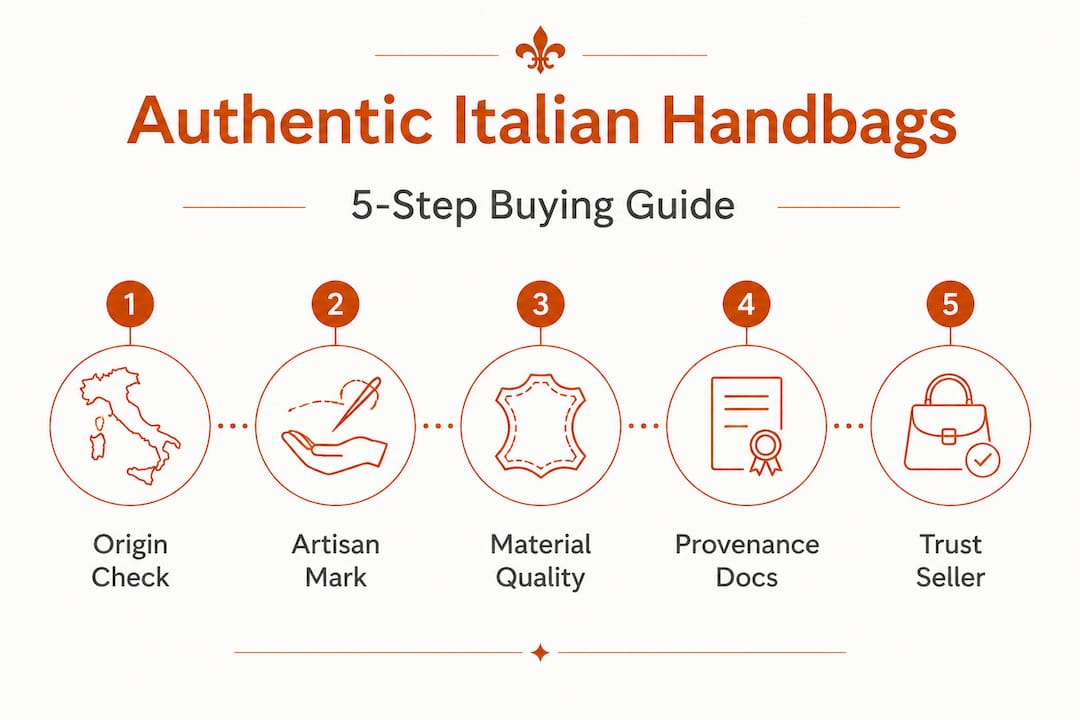
- Practical guide: How to recognise and buy authentic Italian handbags
- Why true authenticity in fashion is more radical than ever
- Explore genuine Italian luxury with San Rocco Italia
- Frequently asked questions
Key Takeaways
| Point | Details |
|---|---|
| Authenticity drives loyalty | True heritage and craft foster trust, setting luxury fashion apart from mass-market brands. |
| Counterfeits are more sophisticated | ‘Superfakes’ now rival originals, making provenance and technology checks essential for buyers. |
| Craftsmanship is a lasting investment | Heirloom-quality materials and artisanship outlast fleeting trends and give deeper satisfaction. |
| Verify before buying | Always ask for digital or artisan proof to ensure genuine Italian luxury in your collection. |
Why authenticity matters in luxury fashion today
The counterfeit problem is staggering in scale, but the deeper question is why authenticity has become so personally important to women who invest seriously in luxury fashion. The answer reaches far beyond price tags or resale values.
When you buy an Italian handbag crafted by a family-run atelier in Tuscany, you are not simply purchasing a functional object. You are acquiring a piece of cultural history, a connection to a living tradition, and an expression of your own values. That is a profoundly different experience from buying a convincing replica made in an undisclosed factory, however well it might imitate the surface details.
Authenticity in luxury fashion, particularly for Italian handbags, is defined by verifiable heritage, craftsmanship, and transparency. These qualities serve as a strategic advantage for brands that take them seriously, building the kind of consumer trust and loyalty that no marketing budget alone can manufacture. Brands that genuinely live their values earn devotion. Those that merely perform them tend to erode trust over time, a phenomenon sometimes called “branding theatre.”
Consider what actually drives luxury purchasing decisions for women over 35:
- Emotional resonance: The story behind an object, the hands that made it, and the traditions it represents all contribute to lasting satisfaction.
- Personal identity: A considered purchase reflects who you are and what you stand for, not just what you can afford.
- Investment logic: Genuine provenance and quality materials mean a handbag that holds its form, its value, and its meaning over decades.
- Trust in the maker: Knowing that a brand is consistent and transparent in its sourcing and production creates lasting loyalty.
The figures support this instinct. An impressive 71% of luxury consumers actively seek products that reflect personal values including authenticity and sustainability. This is not a niche concern. It is reshaping the entire luxury landscape.
“Authenticity is not a feature you add to a product. It is the foundation on which meaningful luxury is built, or not built at all.”
Understanding what makes a handbag luxury is the first step. Once you understand what genuine luxury actually comprises, it becomes far harder for marketing alone to substitute for the real thing.
Timeless craftsmanship: The true mark of luxury
With authenticity so central to value, the practical question becomes: how do you distinguish genuine craftsmanship from clever marketing? The differences are real, and once you know what to look for, they become visible even before you touch the leather.
Authentic Italian luxury handbags are the product of a process that cannot be rushed or faked convincingly. Boutique craftsmanship involves techniques passed down across generations, methods that require years to master and cannot be replicated by automated production lines. The distinction matters deeply.
Markers of genuine Italian luxury craftsmanship:
- Hand-stitching with waxed thread: Uniform, tightly spaced, and consistent throughout, with no loose ends or uneven tension.
- Full-grain leather: The outermost layer of the hide, retaining the natural grain, which develops a patina over years of use rather than peeling or cracking.
- Family or artisan attribution: A genuine maker will name their craftspeople, their workshop, and their region. Anonymity is a warning sign.
- Slow production cycles: Authentic pieces take hours or days to construct. If a brand cannot tell you how long each piece takes to make, that silence speaks volumes.
- Internal finishing: The inside of a genuine Italian handbag is as considered as the exterior. Lining, stitching, and hardware all meet the same standard.
- Hardware weight and finish: Genuine metal hardware carries weight, has precise finishes, and does not tarnish quickly. Lightweight or hollow-feeling fittings are a red flag.
Women over 35 who invest in luxury fashion have largely moved beyond the logo-heavy status signalling of an earlier era. Affluent women in this demographic prioritise timeless craftsmanship, quality over logos, and emotional connections to the objects they choose. This group controls extraordinary spending power exceeding $15 trillion in the US alone, and their preferences are increasingly shaping the direction of the entire luxury sector towards heritage, discretion, and lasting quality. Brands like Hermès and Loro Piana have built their enduring reputations on exactly this foundation.
“Quiet luxury” is a term that has gained considerable currency recently, but for many of our clients it is simply a description of how they have always shopped. The preference for beautifully made objects without obvious branding is not a trend for them. It is a deeply held value.
The Italian craft tradition in particular has always understood this. Workshops in regions like Tuscany, the Veneto, and Campania have practised their craft for centuries, and the best of them have never needed loud logos to justify their prices.
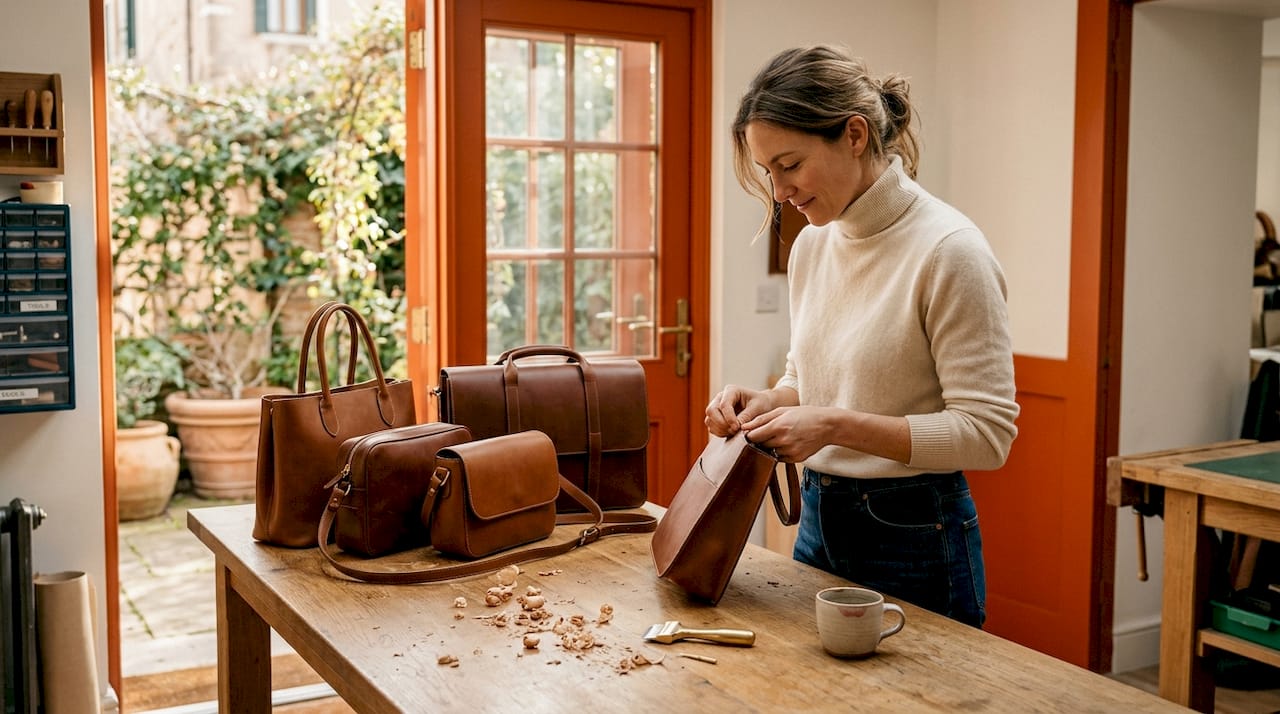
Pro Tip: When evaluating a supposedly artisan product, ask the seller specific questions about the maker. Which workshop produced it? How long has the artisan been practising? What tanning method was used for the leather? A genuine maker will answer these questions with enthusiasm and detail. Vague or evasive responses are themselves a form of evidence.
The fight against counterfeits: ‘Superfakes’ and digital proof
If craftsmanship defines genuine luxury, the growing sophistication of counterfeits makes vigilance absolutely essential. The market for “superfakes” has changed the game in ways that even experienced collectors find deeply unsettling.
A superfake is not your typical knock-off handbag. It is a counterfeit produced to such a high standard that it can fool trained gemologists, resale authentication services, and even brand representatives. Superfakes can deceive even experts, requiring AI-assisted analysis or microscopic inspection to distinguish from genuine articles. The materials used can be high quality, the stitching credible, and the hardware convincing. The difference often lies at a microscopic level that is invisible to the naked eye.
The financial cost of this phenomenon is severe. Counterfeiting erodes €12 to 16 billion annually in EU fashion sales alone. That figure represents stolen value from genuine artisans, legitimate businesses, and consumers who believe they are purchasing something real.
Comparing genuine, counterfeit, and superfake indicators:
| Feature | Genuine Italian luxury | Standard counterfeit | Superfake |
|---|---|---|---|
| Leather quality | Full-grain, develops patina | PU or split leather, peels over time | High-grade leather, some ageing possible |
| Stitching | Hand-stitched, perfectly even | Machine-stitched, inconsistent | High-quality machine or hand-stitched |
| Provenance documentation | Authenticity card, artisan details | Generic or absent | Convincing but unverifiable copies |
| Digital verification | NFC tag or DPP linked to maker | None | Occasionally cloned or absent |
| Hardware | Solid, engraved, weighted | Lightweight, hollow | Better quality but rarely perfect |
| Artisan story | Named, verifiable, traceable | Anonymous | Fabricated but plausible-sounding |
How to verify authenticity today, step by step:
- Request full provenance documentation before purchase. This should include the workshop name, region, artisan information, and ideally a dated certificate.
- Check for NFC (Near Field Communication) tags or DPP (Digital Product Passport) links. A DPP is a digital record embedded in or attached to a product that provides a verifiable chain of custody from raw material to finished piece. Legitimate Italian luxury makers are increasingly adopting this technology.
- Inspect the stitching under magnification if possible. Authentic hand-stitching has a slightly uneven, organic quality that machines cannot perfectly replicate, even when highly skilled craftspeople have done it.
- Assess the leather by touch and smell. Genuine full-grain leather has a distinct, natural scent and a surface texture that feels organic rather than uniform. It warms to your hand.
- Research the seller and their supply chain. Authentic sourcing should be transparent and clearly communicated. If a retailer cannot tell you where a piece was made and by whom, that is a meaningful gap.
- Use third-party authentication services for secondary market purchases. Services that use AI-assisted analysis or physical inspection add a layer of confidence, particularly for high-value pieces.
Pro Tip: Never rely on appearance alone, regardless of how confident you feel. The very nature of a superfake is that it is designed to satisfy visual inspection. Digital provenance tools exist precisely because human perception has limits. When the investment is significant, always verify with certified proof.
Practical guide: How to recognise and buy authentic Italian handbags
Armed with an understanding of both what genuine craftsmanship looks like and what sophisticated fakes can achieve, you are in a far better position to shop with confidence. But knowledge needs to be applied thoughtfully.
Comparing types of luxury handbags:
| Category | Heritage luxury | Branded luxury | Counterfeit |
|---|---|---|---|
| Origin | Named Italian workshop, verifiable | Major fashion house, manufactured | Unknown, often overseas factories |
| Materials | Premium full-grain leather, natural dyes | Variable quality, often branded materials | Imitation or low-grade leather |
| Craftsmanship | Hand-finished, slow production | Mixed hand and machine, quality controlled | Machine-made, low attention to detail |
| Provenance | Traceable, documented | Brand authentication | None or fabricated |
| Price | Reflects true cost of craft | Heavily includes brand premium | Low |
| Longevity | Decades with proper care | Good but variable | Months to a few years |
| Emotional value | Deep, personal, lasting | Brand affiliation | None inherent |
As authenticity for style-conscious women over 35 increasingly hinges on verifiable Italian heritage and craftsmanship, the practical steps for building a collection with lasting value are clearer than ever. Provenance documentation, artisan relationships, and digital verification tools are not optional extras. They are the foundation of a genuinely considered purchase.
Before buying any Italian luxury handbag, ask yourself and the seller these questions:
- Can you name the specific workshop or artisan family that made this piece?
- Is there a provenance document, authenticity certificate, or digital passport available?
- What leather tanning method was used, and where did the hide originate?
- What is the expected lifespan of this piece with proper care?
- Does the maker offer repair or restoration services?
- Are there NFC tags or DPP records I can independently verify?
For building a personal collection that reflects Italian handbag craftsmanship and lasting value, consider buying fewer pieces and investing more thoughtfully in each one. A collection of three or four deeply considered, well-documented pieces will always outperform a wardrobe of ten that cannot be verified or maintained.
Pay attention to versatility. Classic silhouettes, neutral or heritage tones, and understated detailing tend to transcend seasons and trends. The meaning of handcrafted Italian luxury is partly about this durability: an object made with care and intention that suits many chapters of your life, not just a single moment.
Finally, cultivate relationships with sellers and makers you trust. The luxury experience at its best is not transactional. It is a dialogue between maker and owner, one that can extend across years through maintenance, styling advice, and the shared pleasure of owning something genuinely well made.
Why true authenticity in fashion is more radical than ever
Here is something the luxury industry does not always say directly: most “brand stories” are not authenticity. They are performances of authenticity. And there is a significant difference.
When a major fashion house invests in heritage marketing, publishing archive imagery and craftsmanship films, while simultaneously scaling production to meet quarterly targets, something is being stretched thin. The story and the reality begin to diverge. Storytelling must be genuine to avoid becoming what critics call “branding theatre,” and some of the most recognised names in luxury fashion have already crossed that line, diluting their authenticity by chasing trend cycles and volume growth.
This creates a real opportunity, and a genuine shift in values, for women who understand what they are looking for. The most meaningful luxury today is not necessarily the most famous label. It is the piece with a verifiable story, a named maker, and a quality of construction that you can feel the moment you lift it from the shelf.
Emotional satisfaction from owning a handbag with genuine, traceable history is qualitatively different from what you get from a label alone. It is the difference between wearing a piece of living culture and carrying a brand logo. One of these relationships deepens over time. The other is subject to the fickleness of fashion calendars.
Affluent women are quietly redefining what status means in fashion, and doing so in ways that the loudest brands find uncomfortable to acknowledge. Status no longer requires visibility. It requires knowledge. Knowing the name of the craftsperson, the tannery, and the technique used to make your bag is a form of connoisseurship that no counterfeit can touch and no marketing campaign alone can replicate.
The meaning behind artisan-made luxury handbags is ultimately about choosing relationships over transactions, and substance over spectacle. That is not a trend. It is a return to what genuine luxury always meant before scale and globalisation complicated the picture.
Our perspective at San Rocco Italia is straightforward: if you cannot name where and by whom a piece was made, you are not buying luxury. You are buying a story about luxury. The difference, once you have experienced the real thing, is impossible to ignore.
Explore genuine Italian luxury with San Rocco Italia
For those who have spent time understanding what genuine Italian luxury actually means, the next step is finding it in practice, not just in principle.
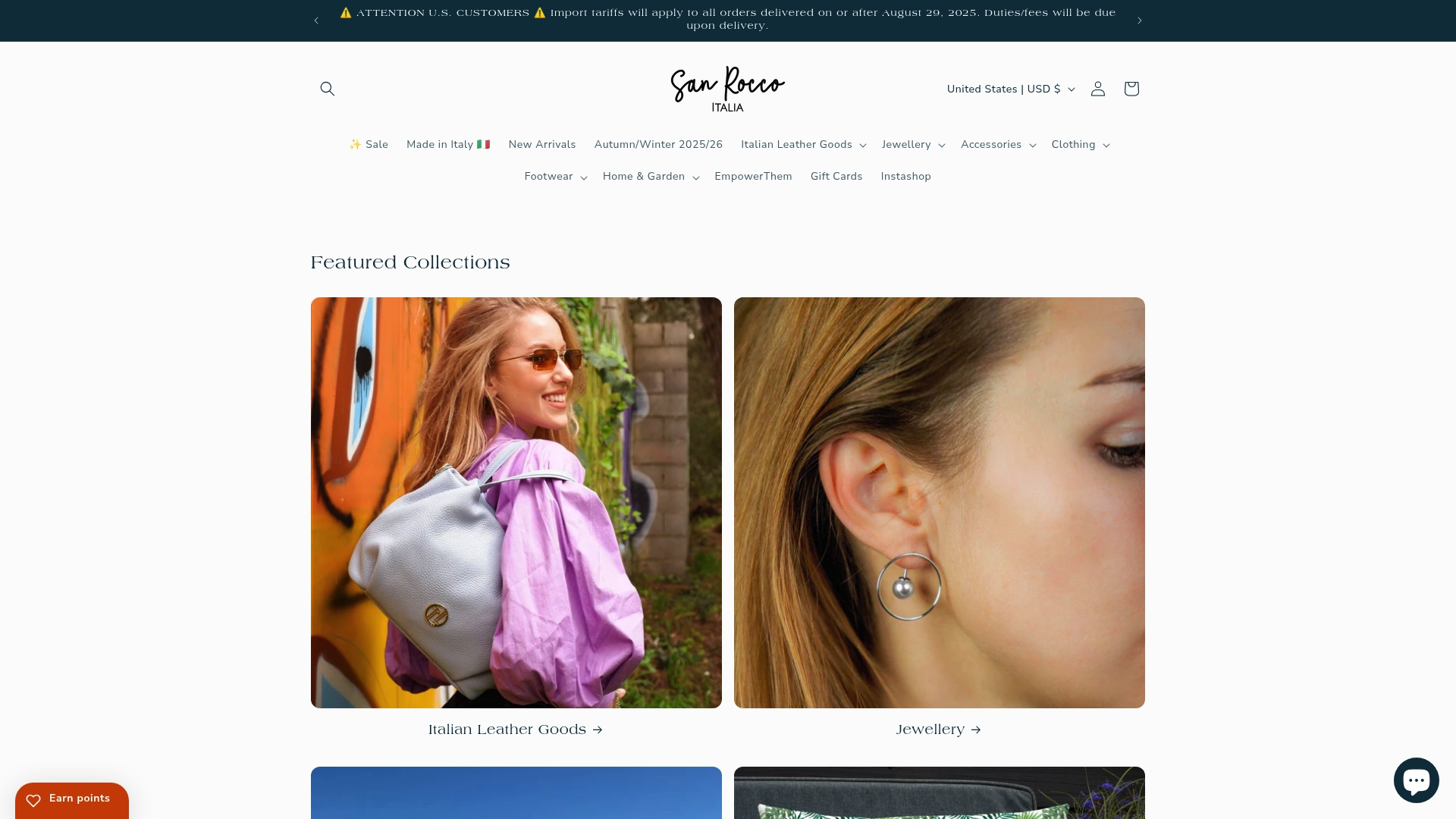
At San Rocco Italia, every handbag and leather accessory in our collection is made in Italy by skilled artisans working with premium full-grain leather and time-honoured techniques. We are a woman-owned boutique, and we have built our curation around one non-negotiable principle: provenance must be real and verifiable. The remainder of our carefully selected collection is sourced from trusted European makers who meet the same standards of quality, authenticity, and craft. If you are ready to invest in pieces that will reward you for decades, we invite you to browse our collection and discover what authentic Italian luxury feels like when it is done without compromise.
Frequently asked questions
What signs confirm an Italian handbag’s authenticity?
Genuine Italian handbags come with provenance documents, NFC tags or DPP records, visible artisan marks, and the kind of finely detailed hand-craftsmanship that reflects years of skilled practice. Verifiable provenance and artisan traditions are the gold standard for confident authentication.
Are ‘superfake’ handbags really that difficult to spot?
Yes, genuinely so. Superfakes now fool even experts, requiring AI-assisted analysis or microscopic inspection to distinguish from real articles, since they increasingly mirror authentic materials and construction at a level invisible to the naked eye.
Why is emotional connection important in luxury fashion purchases?
Emotional connection gives meaning and longevity to luxury purchases by linking the owner to heritage, craft, and deeply held personal values. Affluent women over 35 consistently prioritise timeless craftsmanship and emotional resonance over surface-level brand recognition.
How do luxury brands protect their authenticity today?
Leading brands use digital provenance tools like NFC and DPP, invest in genuine heritage storytelling, and maintain direct relationships with artisan makers to ensure that every piece in their range can be authenticated and traced to its origin.
Recommended
- Discover the meaning of handcrafted luxury in Italian fashion – San Rocco Italia
- Understanding Why Choose Made in Italy for Quality Style – San Rocco Italia
- Why authenticity matters in luxury goods: timeless value – San Rocco Italia
- Authentic sourcing explained: real Italian craftsmanship – San Rocco Italia
- Ορισμός luxury fashion: τι σημαίνει η πολυτελής μόδα



