


Leather Gladstone Bag: Timeless British Craftsmanship
Choosing a handbag that fuses sophistication with utility is never a trivial matter for discerning European professionals. The leather Gladstone bag, named after British Prime Minister William Gladstone, stands out for its iconic clamshell design and enduring presence in refined wardrobes. Rooted in Victorian innovation yet effortlessly suited to modern life, this style brings together exceptional craftsmanship, thoughtful engineering, and ethical sourcing—a blend that reveals why the Gladstone is more than just a beautiful accessory. Discover what sets it apart from ordinary leather bags.
Table of Contents
- Defining The Leather Gladstone Bag
- Types And Historical Evolution
- Key Features And Functional Design
- Artisan Craftsmanship And Material Selection
- Quality, Authenticity, And Ethical Standards
- Care, Maintenance, And Common Mistakes
Key Takeaways
| Point | Details |
|---|---|
| Iconic Design | The Gladstone bag features a unique clamshell design that offers wide access to contents, marrying elegance with practicality. |
| Craftsmanship Matters | High-quality materials and meticulous craftsmanship ensure longevity and distinctive character in each bag, making the choice of leather fundamental. |
| Historical Utility | Evolving from a Victorian solution for travellers, today’s Gladstone bags blend historical significance with modern professional needs. |
| Care is Essential | Proper maintenance, including appropriate cleaning and conditioning, is crucial to preserving the bag’s appearance and integrity over time. |
Defining the leather Gladstone bag
A Gladstone bag is a distinctive leather accessory that blends practical functionality with refined aesthetics. Named after British Prime Minister William Gladstone in the mid-19th century, this bag represents more than just a fashion statement—it embodies a particular moment in British design when elegance and utility merged seamlessly. The defining characteristic of a Gladstone bag is its unique clamshell design, featuring a rigid frame that opens and closes at the top, splitting into two equal sections. This structural innovation means the bag opens wide for generous access to its contents, making it remarkably practical despite its sophisticated appearance.
What sets the Gladstone apart from other leather handbags is its architectural simplicity combined with purposeful engineering. The bag features a sturdy frame secured with brass or leather lanyards, a substantial top handle, and that iconic hinged closure that demands attention whenever you open it. Originally favoured by physicians and serious travellers during the Victorian era, this design solved a real problem: carrying essential items in a way that was both secure and easily accessible. For professional women today, this historical utility translates beautifully into modern life. A properly crafted Gladstone in full-grain leather serves as both a statement piece and a genuinely practical work companion—the kind of bag that makes sense on a train from Zurich to Milan, in a boardroom meeting, or when travelling between your Geneva apartment and a country estate.
The construction of a quality leather Gladstone requires genuine craftsmanship. The leather must be substantial enough to hold its shape without feeling rigid, the frame must be precisely engineered to allow smooth opening and closing across years of use, and the stitching must be impeccable. When you understand what distinguishes top-grain leather from lesser alternatives, you’ll recognise why the material choice matters so profoundly for this particular design. The Gladstone’s iconic form demands materials that age beautifully, developing rich patina rather than cracking or peeling.
Pro tip When examining a Gladstone bag, check that the frame opens and closes smoothly without grinding sounds and that the leather shows even colouration throughout—these details reveal whether you’re looking at genuine craftsmanship or mass-produced imitation.
Types and historical evolution
The Gladstone bag emerged during a pivotal moment in British history. Developed in 1840s England during the railway age, the bag was born from a genuinely practical need. When railway travel became accessible to the affluent classes, travellers required luggage that could be easily accessed at stations and hotels without unpacking entire trunks. The Gladstone solved this problem with its ingenious hinged frame design, allowing quick access to necessities whilst maintaining the structural integrity required for serious travel. Named after the four-time Prime Minister William Ewart Gladstone, who frequently used one, the bag became shorthand for Victorian sophistication and sensible planning.
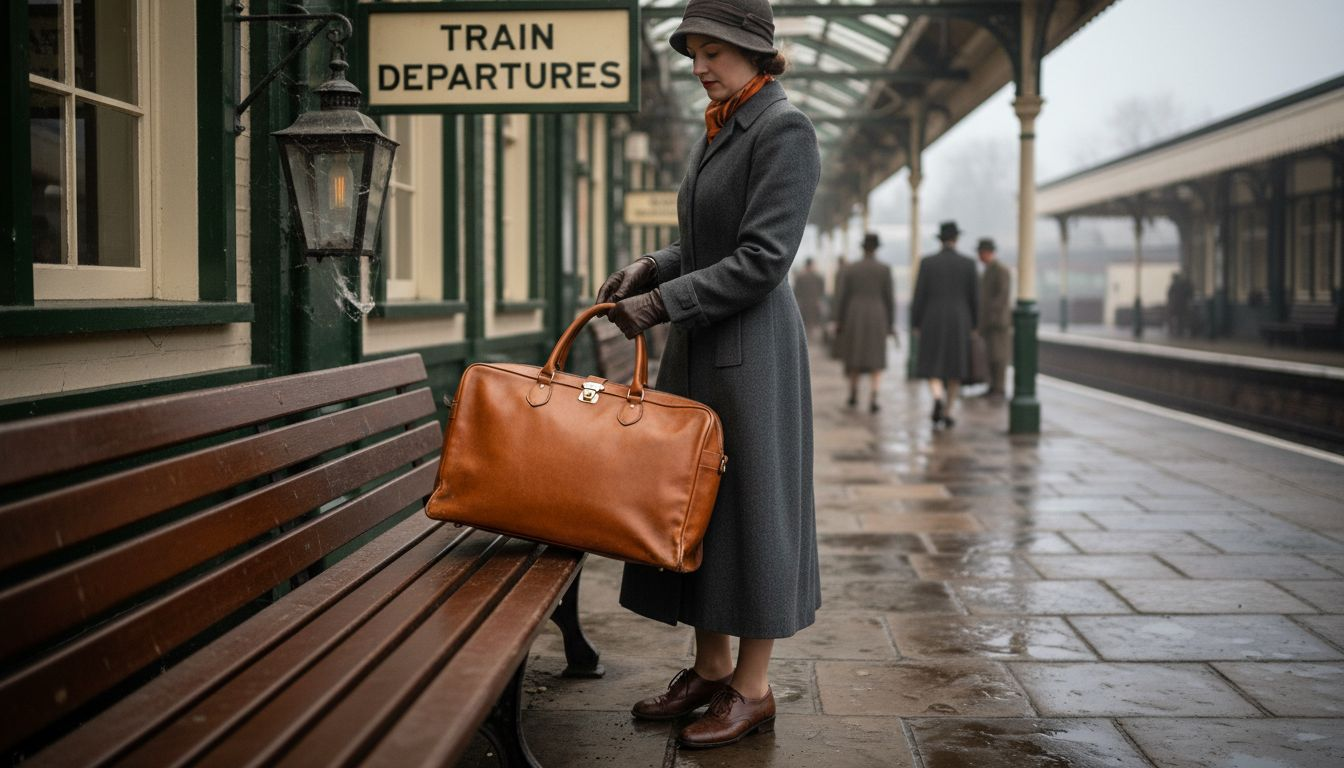
Over the decades, the Gladstone evolved into several distinct variations, each suited to different purposes and professional contexts. The original Victorian medical Gladstone featured a slightly larger frame and internal compartments specifically designed for physicians to carry instruments and supplies during house calls. This version remains popular with collectors and professionals who appreciate its historical authenticity. The compact travel Gladstone became smaller and lighter, perfect for day trips or weekend excursions without the bulk of larger luggage. Meanwhile, the professional Gladstone developed into the version many women today favour—refined enough for the boardroom, practical enough for carrying documents and personal items, and distinctive enough to serve as a signature accessory. What unites all these variations is their core design philosophy: maximum accessibility combined with elegant restraint.
The materials used in Gladstone construction also evolved substantially. Early versions relied on sturdy leather and brass fittings that aged unpredictably. Modern Gladstones maintain that aesthetic whilst incorporating improvements in frame engineering, leather treatment, and hardware durability. Full-grain leather became the material of choice for quality examples because it develops character over time, with scratches and patina telling the story of actual use rather than detracting from the bag’s appearance. Contemporary makers recognise that today’s professional woman needs a bag that performs as hard as she does—withstanding daily use whilst becoming more beautiful with age.
Here is how notable Gladstone bag variants compare across eras:
| Variant | Main Historical Use | Key Characteristics | Typical User |
|---|---|---|---|
| Victorian Medical | Physician equipment | Large frame, internal compartments | Doctors |
| Compact Travel | Weekend excursions | Smaller, lightweight, streamlined design | Leisure travellers |
| Professional Modern | Business and daily use | Refined look, document-friendly layout | Professionals |
Pro tip When selecting a vintage or contemporary Gladstone, examine whether the frame alignment remains true and the leather hasn’t become overly stiff—these indicators reveal whether the bag was properly stored and maintained throughout its life.
Key features and functional design
The Gladstone bag’s enduring appeal lies in its deceptively simple yet sophisticated engineering. At its core sits a rigid metal hinged frame that opens wide, creating the bag’s signature clamshell effect. This isn’t just aesthetic flourish—it’s functional genius. When you open a properly made Gladstone, you gain full visibility and access to your entire contents simultaneously. No reaching to the bottom of a bottomless bag, no frustration fumbling for items tucked in corners. For a professional woman managing multiple priorities across different cities, this accessibility transforms daily logistics. The frame itself splits into two equal sections, meaning the weight distributes evenly whether you’re carrying documents, a laptop, or travel essentials.
The structural integrity of a quality Gladstone depends on several key design elements working in concert. The thick leather construction provides the rigid support necessary to maintain the bag’s distinctive shape across years of use. Traditional craftsmanship uses sturdy leather that resists deformation even when fully loaded. The buckles or lanyards securing the frame aren’t merely decorative—they distribute closing pressure evenly and prevent the frame from warping over time. The proportionally deeper interior compared to standard handbags provides genuine capacity without sacrificing the elegant silhouette. Inside, thoughtful compartmentalisation creates logical organisation spaces without feeling cluttered. Some versions feature lined pockets along the interior walls, allowing you to separate work documents from personal items whilst maintaining visual clarity when the bag opens.
What distinguishes an exceptional Gladstone from a mediocre one comes down to frame engineering and leather quality. The frame hinges must operate smoothly across thousands of open and close cycles—this demands precision metalwork and proper alignment. The leather must be thick enough to support the frame without buckling, yet supple enough to feel welcoming rather than armoured. Hardware finishing matters too; poor quality buckles or hinges will corrode or seize, transforming your bag from a pleasure to a frustration. A well-designed Gladstone feels intuitive to use. You reach for it without thinking, open it with one motion, and your items greet you in logical order. This seemingly effortless functionality represents hours of deliberate craftsmanship.
Pro tip Test a Gladstone’s frame alignment by placing it on a flat surface and checking that it sits level without rocking—any wavering indicates frame issues that will worsen with use.
Artisan craftsmanship and material selection
A leather Gladstone bag crafted with genuine care represents the convergence of material science and human skill. Every element matters, from the hide selection through to the final stitch. San Rocco Italia’s commitment to Italian-made pieces means each Gladstone passes through the hands of artisans who understand leather at a cellular level. They know that full-grain leather—leather in its most authentic form, complete with natural markings and variations—will age beautifully only when sourced from animals raised with appropriate care and processed using methods that preserve the hide’s integrity. This isn’t sentimental reasoning. The difference between leather that cracks after two years and leather that becomes richer after twenty years starts here, with material selection.
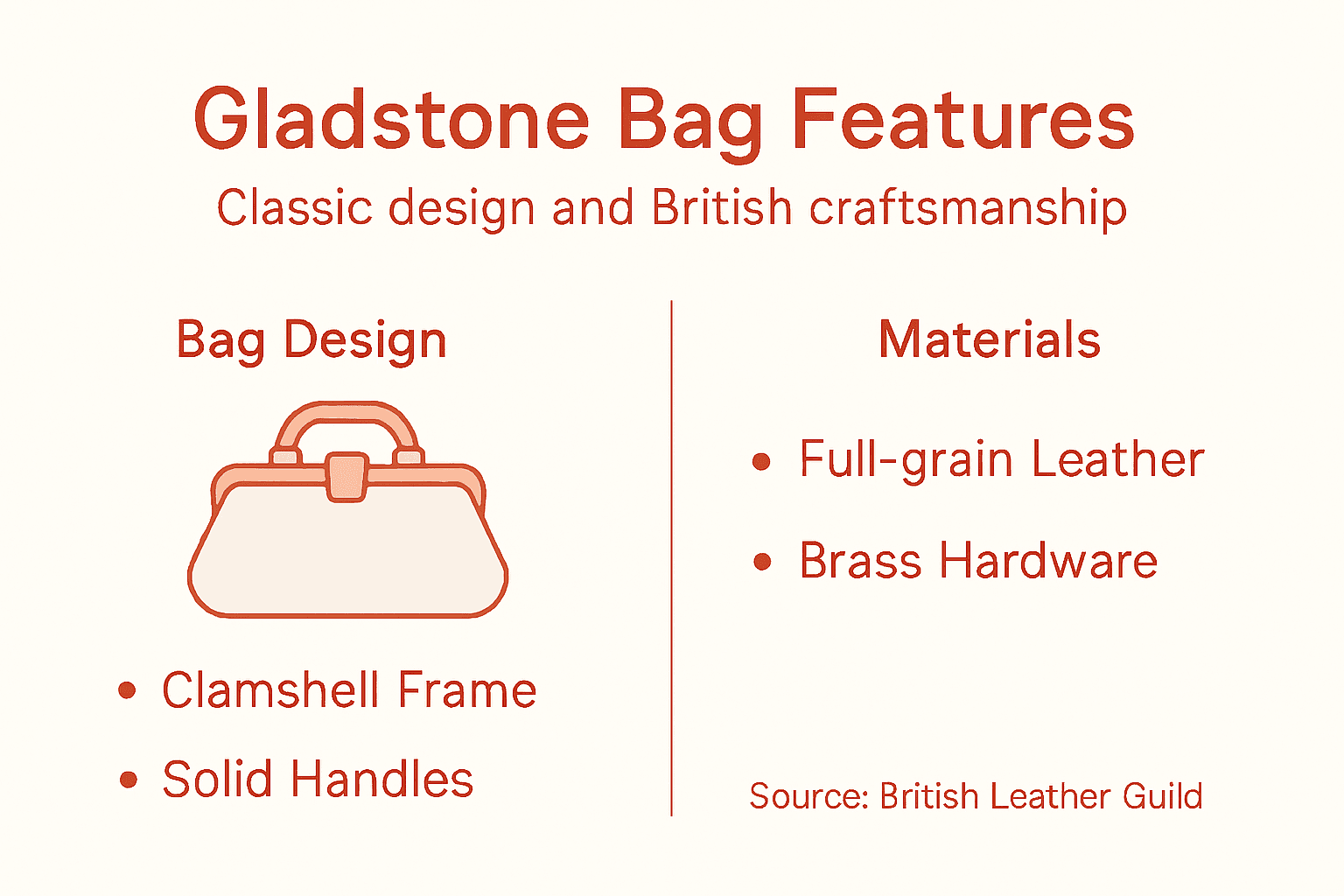
Italian artisans employ time-honoured leather crafting techniques that fundamentally shape how a Gladstone performs. The tanning process alone determines whether your leather will develop a beautiful patina or dull into grey brittleness. Traditional vegetable tanning, where leather is processed using tannins from tree bark over weeks rather than hours, creates leather that responds to moisture and use by deepening in colour and acquiring a soft, lived-in quality. This method takes patience and costs significantly more than industrial chrome tanning, yet the investment pays dividends across decades of ownership. Artisans then hand-cut and hand-stitch components, a process that allows them to compensate for the natural variations in the leather itself. A hide that’s slightly thicker in one area or marked by insect bites simply gets worked around, not rejected. This flexibility makes the resulting bag more durable, not less, because the artisan understands the material’s character.
The frame construction demands equally sophisticated material choices. Quality Gladstones use solid brass or steel hinges and fittings, materials that age gracefully and resist corrosion. Budget alternatives employ plated metals that strip away, revealing cheap base metals beneath. The leather used for securing these frames—whether lanyards or binding—must be equally substantial, selected from offcuts of the main bag leather to ensure colour matching across decades of use. When you understand these material choices and the craftsmanship decisions they enable, you recognise why a genuine leather Gladstone from San Rocco Italia commands its price. You’re purchasing not just an object, but the accumulated knowledge and ethical choices of skilled makers.
Pro tip Ask about the tanning method when purchasing a Gladstone—vegetable-tanned leather will show a slightly irregular colour and natural markings, whilst chrome-tanned leather appears uniformly dyed, a visual indicator of processing methods that affects longevity.
Quality, authenticity, and ethical standards
When you invest in a leather Gladstone bag, you’re making a statement about your values as much as your aesthetic preferences. For affluent professional women in Central Europe, this distinction matters profoundly. You likely wouldn’t purchase fast fashion clothing without considering labour practices, yet handbags often escape the same scrutiny. This inconsistency ends when you understand what separates genuine craftsmanship from mass production designed to look handmade. A Gladstone from San Rocco Italia comes with complete transparency about its origins. Every bag carries the story of the Italian artisans who created it, the specific tannery that processed its leather, and the ethical standards upheld throughout production. This traceability isn’t marketing language—it’s accountability you can verify.
Authenticity in leather goods manifests through specific, observable details that counterfeit producers struggle to replicate convincingly. The frame must operate with precise smoothness, not wobbling or catching. The leather stitching should follow consistent tension throughout, with thread colour matched to the leather itself. Natural variations in the hide—slight colour shifts, minor scars from the animal’s life—should be visible and celebrated, not hidden under uniform dyes. Brass fittings develop a natural patina rather than flaking, and the interior leather should feel as substantial as the exterior. When examining a Gladstone, these markers reveal whether you’re looking at genuine craftsmanship or clever imitation. San Rocco Italia’s commitment to Italian production and complete transparency about artisan leather craftsmanship means every detail has been considered deliberately rather than cost-optimised to death.
Ethical standards extend beyond labour practices to environmental responsibility and material sourcing. Vegetable tanning, whilst slower and more expensive than industrial alternatives, produces zero toxic waste and uses only renewable tannins. Artisans who work this way deliberately choose slower production because they understand the implications of rushing. They work with leather suppliers who maintain animal welfare standards, not merely legal minimums. When you purchase from makers committed to these practices, you support an entire ecosystem of ethical production. Your Gladstone bag becomes evidence that luxury needn’t exploit. This matters particularly for women who’ve built careers on integrity—carrying a bag produced through questionable means creates cognitive dissonance with your professional identity.
Pro tip Request the production certificate or maker information when purchasing your Gladstone—legitimate artisan makers proudly share these details, whilst mass producers often remain deliberately vague about sourcing and manufacturing locations.
Care, maintenance, and common mistakes
Your Gladstone bag represents a significant investment in quality, and like any worthwhile thing, it rewards consistent attention. The good news? Maintaining a leather Gladstone doesn’t require complicated rituals or expensive treatments. What it does require is understanding what leather actually needs and, equally important, what it doesn’t. Start with the basics: keep your bag away from excessive heat, direct sunlight, and humidity extremes. This means avoiding radiators during winter, leaving it in hot cars, or storing it in damp basements. Leather responds to environmental stress by drying out or absorbing moisture unevenly, leading to warping and discolouration. Store your Gladstone in a breathable dust cover, not a plastic bag that traps moisture, and keep it in a climate-controlled space whenever possible.
Cleaning your Gladstone requires the right approach. Gentle cleaning with leather-specific products protects the hide from damage that harsh chemicals cause. A soft, slightly damp cloth removes everyday dust and marks. For stubborn stains, use leather cleaner formulated specifically for your leather type. Never use household cleaners, saddle soap meant for shoes, or water alone. These either strip protective oils from the leather or leave water marks that become permanent. After cleaning, apply a quality leather conditioner every six months to twelve months, depending on climate and use. This sounds like maintenance, but it’s actually prevention. Conditioner keeps the leather supple and resistant to cracking, meaning you’re investing minimal effort now to avoid major problems later.
Common mistakes fall into three categories, all avoidable with awareness. Overloading your Gladstone strains the frame hinges and forces the leather to stretch beyond its intended capacity. Yes, the bag holds quite a lot, but its capacity and its safe capacity are different things. If you’re forcing the closure or hearing creaking sounds when you open it, you’re overloading. Using unsuitable cleaning materials destroys leather. Leather conditioner for shoes, waterproofing sprays meant for boots, furniture polish designed for wood—none of these belong on your Gladstone. Always verify products are formulated for handbags. Ignoring conditioning lets leather dry out gradually. You won’t notice until the damage is severe—cracks appear suddenly, but they developed over months of neglect. These mistakes aren’t difficult to avoid once you know they exist.
Below is a summary of best practices and mistakes for Gladstone care:
| Practice or Error | Description | Long-term Effect |
|---|---|---|
| Proper Conditioning | Regular leather conditioning preserves suppleness | Prevents cracks and dryness |
| Overloading | Packing beyond capacity strains frame | Distorts shape, weakens hinges |
| Using Wrong Cleaner | Household cleaners damage the leather | Causes stains or permanent marks |
| Correct Storage | Breathable dust cover, cool spaces | Maintains colour and form |
Pro tip Apply leather conditioner preemptively during seasonal changes when heating or air conditioning systems activate, as temperature shifts cause leather to expand and contract, making it most vulnerable to cracking.
Discover Timeless Elegance and Practicality with San Rocco Italia
The article highlights the unique challenge faced by professional women seeking a handbag that balances authentic craftsmanship, practical design, and lasting quality. The leather Gladstone bag’s signature hinged frame and full-grain leather embrace both sophisticated style and daily functionality. If you value a bag that gracefully ages while meeting rigorous demands of work and travel, traditional manufacturing techniques and ethical material sourcing are essential. Avoid disappointments caused by poorly made imitations or synthetic substitutes.

Experience these principles firsthand by exploring our exclusive collection at San Rocco Italia. Each handbag is thoughtfully crafted by Italian artisans who champion vegetable-tanned full-grain leather and meticulous frame engineering. Our selection perfectly aligns with your desire for a high-quality Gladstone bag that opens smoothly, showcases natural markings beautifully, and endures years of use without losing shape. Take the next step toward owning a truly elegant and purposeful accessory designed for the modern professional woman. Visit us now and invest in a leather Gladstone bag that reflects your values and style.
Frequently Asked Questions
What is a Gladstone bag?
A Gladstone bag is a traditional leather accessory known for its clamshell design, featuring a robust frame that opens wide for easy access to contents. Its blend of elegance and practicality makes it suitable for various professional and travel settings.
What materials are used to make a quality Gladstone bag?
A quality Gladstone bag is typically made from full-grain leather, which ages beautifully and develops a rich patina. The frame is generally constructed from solid brass or steel, ensuring durability and smooth operation over time.
How should I care for my leather Gladstone bag?
To maintain your Gladstone bag, keep it away from direct sunlight and excessive heat, clean it with leather-specific products, and condition the leather regularly to prevent dryness and cracking. Store it in a breathable dust cover when not in use.
What distinguishes different types of Gladstone bags?
Gladstone bags come in several versions, including the Victorian medical Gladstone, compact travel variants, and professional designs. Each type offers specific features tailored to its intended use, such as size, compartments, and style suitable for business or leisure.
Recommended
- Top Italian Leather Gifts – Expert Comparison 2025 – San Rocco Italia
- Best 6 Italian Handbags 2025 – Expert Comparison – San Rocco Italia
- Leather Treatment for Bags: Preserving Italian Luxury – San Rocco Italia
- 7 Expert Ways to Choose and Care for Good Leather Bags – San Rocco Italia
- Bow PU Leather Shoulder Bag – Small Crossbody Leather Handbag – Be Juliet
