


Top Grain Leather Bags – Why They Define Timeless Luxury
Most british shoppers believe that all leather bags offer equal quality, yet only a fraction recognise the difference top grain leather makes. This distinction influences everything from a bag’s appearance to its durability. With misconceptions surrounding top grain leather widespread, understanding how it compares with other types empowers buyers to invest wisely. Discover how materials, craftsmanship, and origin shape the luxury handbag market and why these details matter for anyone valuing long-lasting style.
Table of Contents
- Defining Top Grain Leather Bags And Misconceptions
- Types Of Leather For Luxury Handbags
- How Top Grain Leather Is Crafted In Italy
- Benefits For Durability And Slow Fashion Value
- Spotting Authentic Vs Faux Top Grain Leather
- Comparing Top Grain, Full-Grain And Other Alternatives
Key Takeaways
| Point | Details |
|---|---|
| Top Grain Leather Quality | Top grain leather offers a refined aesthetic through careful surface modification, making it desirable for luxury handbags. |
| Misconceptions | Common misunderstandings suggest that removing the top layer weakens the leather, but skilled craftsmanship ensures strength is maintained. |
| Sustainable Fashion | Investing in top grain leather contributes to sustainable fashion, as its durability reduces the need for replacements and waste. |
| Authenticity Indicators | Genuine top grain leather features subtle texture variations and a natural scent, distinguishing it from synthetic alternatives. |
Defining Top Grain Leather Bags and Misconceptions
Top grain leather represents a sophisticated category of leather processing that transforms raw hide into a refined material perfect for luxury handbags. Unlike full-grain leather, this variant undergoes careful surface modification to achieve a pristine aesthetic. Top grain leather is widely used in handbags, where a pristine look is desired, with manufacturers strategically sanding or shaving the outermost layer to eliminate natural imperfections.
The primary distinction between top grain and full-grain leather lies in their surface treatment. Artisan leather workers meticulously remove the uppermost layer, creating a smoother, more uniform appearance that appeals to those seeking a polished, refined look. This process, while enhancing visual appeal, does subtly compromise the leather’s inherent durability. Manufacturers compensate by applying protective finishes that maintain the material’s structural integrity and resistance to wear.
Common misconceptions about top grain leather often stem from misunderstandings about its production process. Many assume that removing the top layer weakens the leather entirely, but skilled craftspeople ensure that the material retains significant strength and character. The surface modification allows for more consistent colouration, easier cleaning, and a more predictable texture. Expert leather processing techniques reveal that top grain leather can be an excellent choice for those prioritising aesthetic refinement without sacrificing fundamental quality.
Pro Leather Selection Tip: Always examine the leather’s surface texture and ask about its specific grain treatment before purchasing a handbag. A reputable manufacturer will provide transparent information about their leather sourcing and processing methods, helping you make an informed decision about your investment.
Types of Leather for Luxury Handbags
Luxury handbags represent a pinnacle of craftsmanship, with leather selection playing a crucial role in defining their quality and aesthetic appeal. Luxury handbags utilise various high-end leather types, each offering unique characteristics and visual appeal, ranging from traditional cowhide to exotic skins that epitomise elegance.
Full-grain cowhide remains a premier choice among discerning leather artisans, renowned for its exceptional durability and natural texture. Calfskin provides a smooth surface and remarkable durability, making it a favourite for structured handbag designs that demand both sophistication and resilience. Lambskin emerges as another luxurious option, prized for its incredibly soft, almost buttery texture that lends an understated refinement to designer accessories.
Exotic leathers represent the pinnacle of exclusivity in luxury handbag manufacturing. Crocodile and alligator skins are particularly sought after, offering distinctive patterns and a sense of rare opulence that elevates a handbag from mere accessory to a statement piece. The Complete Guide to Leather & Luggage reveals that these premium materials are meticulously selected for their unique grain, durability, and ability to showcase exceptional craftsmanship.
Pro Material Selection Tip: Always inspect the leather’s grain, flexibility, and surface quality in natural light. A genuinely luxurious handbag will display consistent texture, minimal imperfections, and a supple feel that speaks to its superior material origin.
Here is a concise comparison of major leather types used in luxury handbags:
| Leather Type | Key Qualities | Common Uses | Durability Profile |
|---|---|---|---|
| Full-grain leather | Natural texture, robust | Premium handbags, cases | Exceptional, ages well |
| Top grain leather | Smooth, refined surface | High-end bags, wallets | High, maintains structure |
| Calfskin | Fine grain, soft touch | Structured handbags | Strong, resistant to wear |
| Lambskin | Supple, delicate feel | Designer clutches, purses | Moderate, requires care |
| Exotic (e.g. croc) | Unique pattern, glossy finish | Statement pieces | Varies, exclusive appeal |
| Genuine leather | Less texture, lower grade | Budget bags, belts | Moderate, not premium |
| Synthetic leather | Uniform look, man-made | Low-cost accessories | Varies, not long-lasting |
How Top Grain Leather is Crafted in Italy
Italian leather craftsmanship represents the pinnacle of artisanal skill, with top grain leather production embodying generations of refined technique. Top grain leather is produced by meticulously sanding or shaving off the top layer of the hide to remove imperfections, creating a surface that exemplifies both aesthetic elegance and technical precision. Italian artisans approach this process with an almost meditative attention to detail, transforming raw materials into sublime leather products.
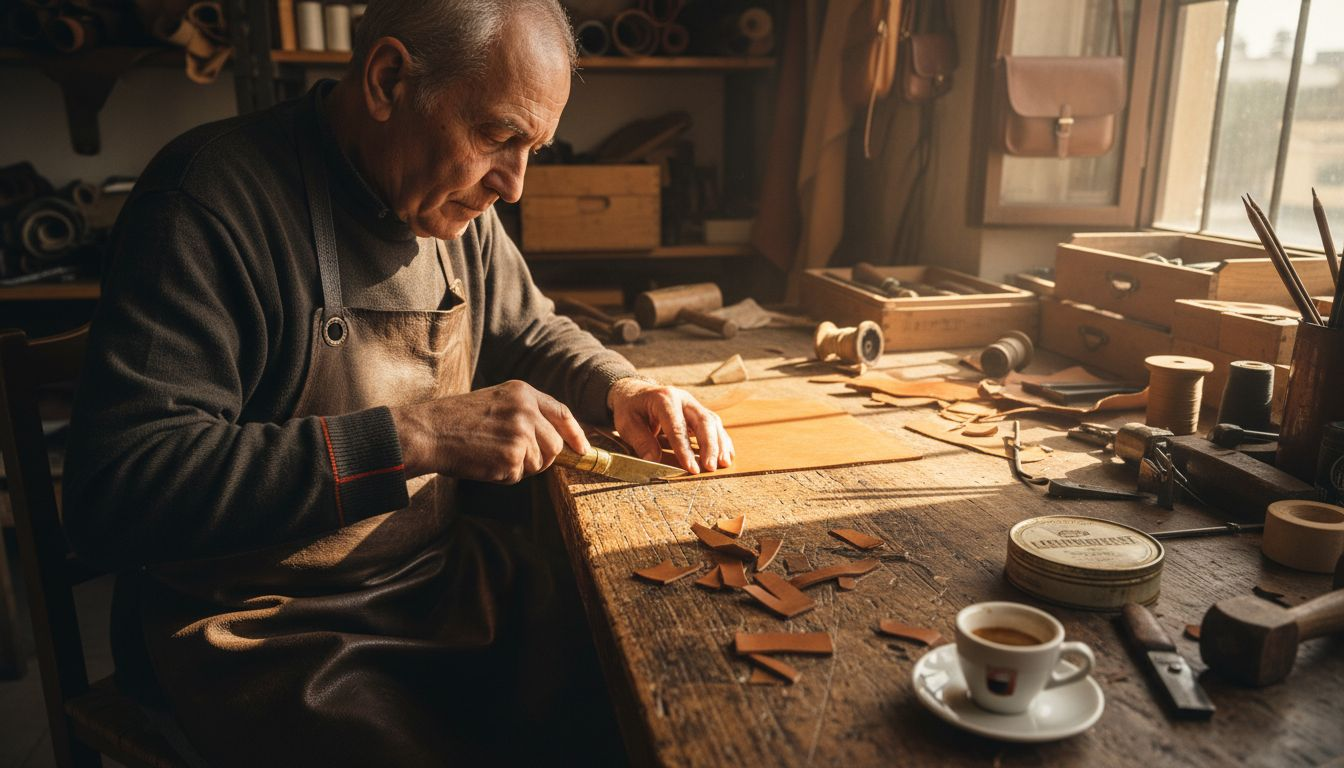
The intricate process begins with careful hide selection, where master craftspeople inspect each skin for potential. Understanding Italian Leather Craftsmanship: Timeless Quality reveals that the transformation involves multiple sophisticated stages. Skilled workers first remove the uppermost layer, eliminating natural blemishes while preserving the leather’s inherent strength. Specialised machinery and hand techniques work in concert, ensuring each piece meets exacting standards of smoothness and consistency.
Following the initial refinement, Italian leather artisans apply protective treatments that enhance the leather’s durability and aesthetic appeal. These treatments might include subtle pigmentation, protective sealants, or specialised finishes that accentuate the material’s natural grain. The result is a leather that balances visual perfection with structural integrity, reflecting the nuanced expertise of Italian leather makers who have honed their craft over centuries.
Pro Craftsmanship Tip: When assessing top grain leather quality, look for uniform texture, minimal visible imperfections, and a supple yet structured feel that speaks to sophisticated manufacturing techniques.
Benefits for Durability and Slow Fashion Value
Top grain leather embodies the essential principles of slow fashion, offering remarkable durability that transcends transient trends. Full-grain cowhide leather is highly durable and develops a unique patina over time, representing a sustainable approach to luxury accessories that prioritises longevity and timeless design. This characteristic transforms a handbag from a mere seasonal purchase into a cherished companion that tells a story through its evolving texture.
The durability of top grain leather extends far beyond aesthetic appeal. Calfskin leather contributes to the slow fashion movement by ensuring the bag’s longevity and enduring style, challenging the disposable culture of fast fashion. Each crease and subtle change in colour becomes a testament to the bag’s journey, reflecting the owner’s experiences and the material’s inherent resilience. What is Slow Fashion? Understanding its Meaning and Impact highlights how these intentionally crafted pieces represent a conscious alternative to mass-produced accessories.
Beyond physical durability, top grain leather bags represent an investment in sustainable fashion practices. The material’s ability to age gracefully means fewer resources are consumed in repeated replacements, reducing environmental impact. Conscious consumers increasingly recognise that a well-crafted leather handbag is not just an accessory, but a statement of personal values - prioritising quality, craftsmanship, and environmental responsibility over fleeting trends.
Pro Sustainability Tip: When selecting a leather handbag, prioritise craftsmanship over quantity. A single, high-quality top grain leather bag can replace multiple cheaper alternatives, reducing waste and supporting more sustainable consumption patterns.
Spotting Authentic vs. Faux Top Grain Leather
Authentic leather identification requires a nuanced understanding of material characteristics that distinguish genuine craftsmanship from synthetic imitations. Authentic top-grain leather exhibits a consistent texture and natural feel, contrasting sharply with faux leather’s overly uniform pattern, making visual and tactile examination crucial for discerning buyers. Genuine leather carries an intrinsic complexity that mass-produced synthetics cannot replicate.
Discerning consumers can employ multiple strategies to validate leather authenticity. Understanding How to Identify Authentic Leather suggests examining key sensory indicators beyond mere visual appearance. Genuine top grain leather possesses a distinct organic scent, displays subtle variations in grain, and develops a unique patina over time. Synthetic alternatives often appear too perfect, with machine-generated textures that lack the nuanced imperfections characteristic of natural hide.
Professional leather experts recommend several diagnostic techniques for authentication. Genuine leather typically feels warm to the touch, has irregular grain patterns, and demonstrates natural flexibility. Advanced authentication methods include examining the leather’s edges, checking for layered construction, and performing simple tests like the water absorption test. Reputable manufacturers will always provide transparent information about their leather’s origin and processing, allowing discerning customers to make informed purchasing decisions.
Pro Authentication Tip: Always request a detailed leather origin certificate and conduct a professional tactile examination before purchasing a high-end leather handbag. Genuine top grain leather will feel supple, demonstrate natural variations, and improve aesthetically with careful use.
Below is a summary of distinguishing features to help identify authentic top grain leather:
| Feature | Authentic Top Grain | Faux Leather | Visual/Tactile Clue |
|---|---|---|---|
| Surface pattern | Subtle grain, varied | Uniform, perfect | Minor imperfections indicate real hide |
| Smell | Rich, organic scent | Chemical or plastic-like | Leather aroma is natural |
| Edge finish | Natural, slightly rough | Smooth, sealed | Exposed fibre hints at authenticity |
| Water absorption | Absorbs moisture | Repels instantly | Drops soak in on real leather |
| Flexibility | Soft yet structured | Stiff or overly flexible | Real leather feels supple |
Comparing Top Grain, Full-Grain and Other Alternatives
Leather quality represents a nuanced spectrum of craftsmanship, with each grade offering distinct characteristics and performance attributes. Full-grain leather stands as the highest quality, maintaining the hide’s natural surface and inherent strength, representing the most premium option for discerning luxury consumers. This unaltered leather preserves the hide’s original texture, displaying natural markings that tell a unique story.
Top-grain leather occupies a fascinating middle ground in the leather hierarchy, offering a refined aesthetic through careful surface modification. While artisans sand the uppermost layer to create a smoother appearance, this process subtly compromises the material’s original durability. Identifying Authentic Italian Leather: Complete Guide suggests that top-grain leather provides an optimal balance between visual elegance and practical performance, making it particularly appealing for luxury handbags that demand both sophistication and functionality.
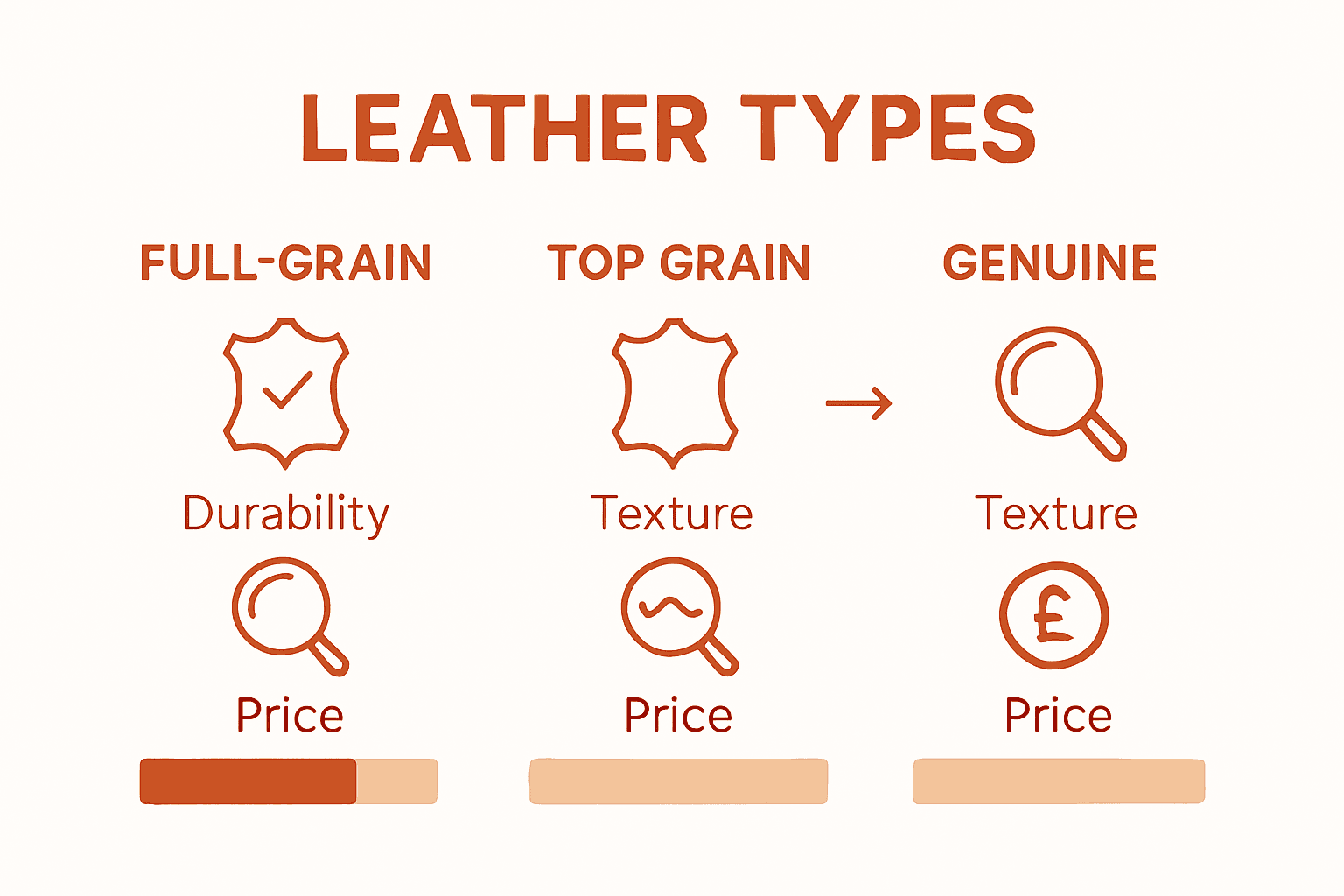
Below the premium grades, genuine leather represents a more economical alternative. Constructed from the hide’s lower layers, this variant offers reduced durability and a less refined texture. Synthetic leather alternatives further expand the market, providing cost-effective options for budget-conscious consumers. However, these materials fundamentally differ from natural leather, lacking the organic characteristics, breathability, and long-term performance of authentic hide.
Pro Material Selection Tip: When investing in a leather handbag, prioritise understanding the material’s origin and processing. A higher-grade leather might represent a greater initial investment, but its longevity and timeless aesthetic will ultimately provide superior value compared to cheaper, less durable alternatives.
Discover Timeless Luxury with San Rocco Italia’s Italian Leather Handbags
The article highlights the challenge of finding leather handbags that balance refined aesthetics with enduring durability through premium top grain leather craftsmanship. Many readers seek handbags showcasing authentic Italian expertise that age gracefully while reflecting personal style and sustainability values. San Rocco Italia addresses these goals by offering luxury handbags meticulously crafted in Italy using full-grain and top grain leather processed with traditional artisanal techniques. Our collection embodies the very slow fashion principles celebrated in the article, emphasising quality and heritage over fleeting trends.
Experience the sophisticated smoothness and structural integrity of top grain leather combined with the natural character of full-grain hides available at San Rocco Italia. Each handbag tells a story through its supple feel, consistent texture, and authentic craftsmanship, empowering you to invest in an accessory designed to accompany your finest moments for years to come.

Explore our carefully curated selection of Italian leather handbags and accessories today and embrace a lifetime of style that honours craftsmanship and sustainability. Visit San Rocco Italia to find your perfect statement piece and learn more about how our artisanal techniques preserve this timeless luxury. Unlock the heritage of Italian leather making and transform your wardrobe with a bag that defines enduring elegance.
Frequently Asked Questions
What is top grain leather?
Top grain leather is a type of leather made from the uppermost layer of the hide, which has been sanded or shaved for a smoother appearance. It retains significant strength while offering a refined aesthetic suitable for luxury handbags.
How does top grain leather compare to full-grain leather?
Top grain leather is smoother and more uniform than full-grain leather, as it undergoes surface modification. While full-grain maintains the hide’s natural imperfections and is generally more durable, top grain provides a polished look that appeals to many consumers.
What makes top grain leather a good choice for luxury handbags?
Top grain leather is durable yet refined, making it ideal for luxury handbags. Its surface modification allows for consistent colouration and ease of cleaning, while still maintaining a level of structural integrity that ensures longevity.
How can I identify authentic top grain leather?
Authentic top grain leather typically exhibits a subtle grain, natural imperfections, and an organic scent. It feels warm to the touch and may absorb water, unlike faux leather, which is uniformly smooth and lacks these characteristics.



