


Leather Treatment for Bags: Preserving Italian Luxury
Most british luxury handbags owe their elegance and longevity to one crucial process that often goes unnoticed—leather treatment. The right technique can extend a bag’s life by years, protecting your investment against wear and damage. Handcrafted care, especially in Italian ateliers, transforms raw material into artwork that balances beauty with durability. This guide breaks down what makes leather treatment so vital for anyone looking to own, cherish, or collect british handbags of exceptional quality.
Table of Contents
- Defining Leather Treatment For Handbags
- Types Of Leather Used In Luxury Bags
- Essential Leather Treatment Techniques
- Risks Of Improper Bag Care And Damage
- Best Practices For Lasting Italian Craftsmanship
Key Takeaways
| Point | Details |
|---|---|
| Importance of Leather Treatment | Leather treatment transforms raw leather into durable luxury handbags through meticulous processes like tanning, dyeing, and finishing. |
| Types of Leather | Full-grain leather is preferred for its durability and unique character, while exotic leathers provide distinct textures. |
| Care Best Practices | Proper storage and maintenance are essential to prevent environmental damage and maintain the handbag’s integrity. |
| Artistry in Craftsmanship | Italian artisans combine traditional methods with attention to detail to create high-quality, lasting accessories. |
Defining Leather Treatment for Handbags
Leather treatment represents a sophisticated preservation process for luxury handbags, encompassing techniques that transform raw leather into elegant, durable accessories. At its core, leather treatment involves meticulous processes designed to enhance the material’s natural characteristics, ensuring both aesthetic appeal and functional resilience.
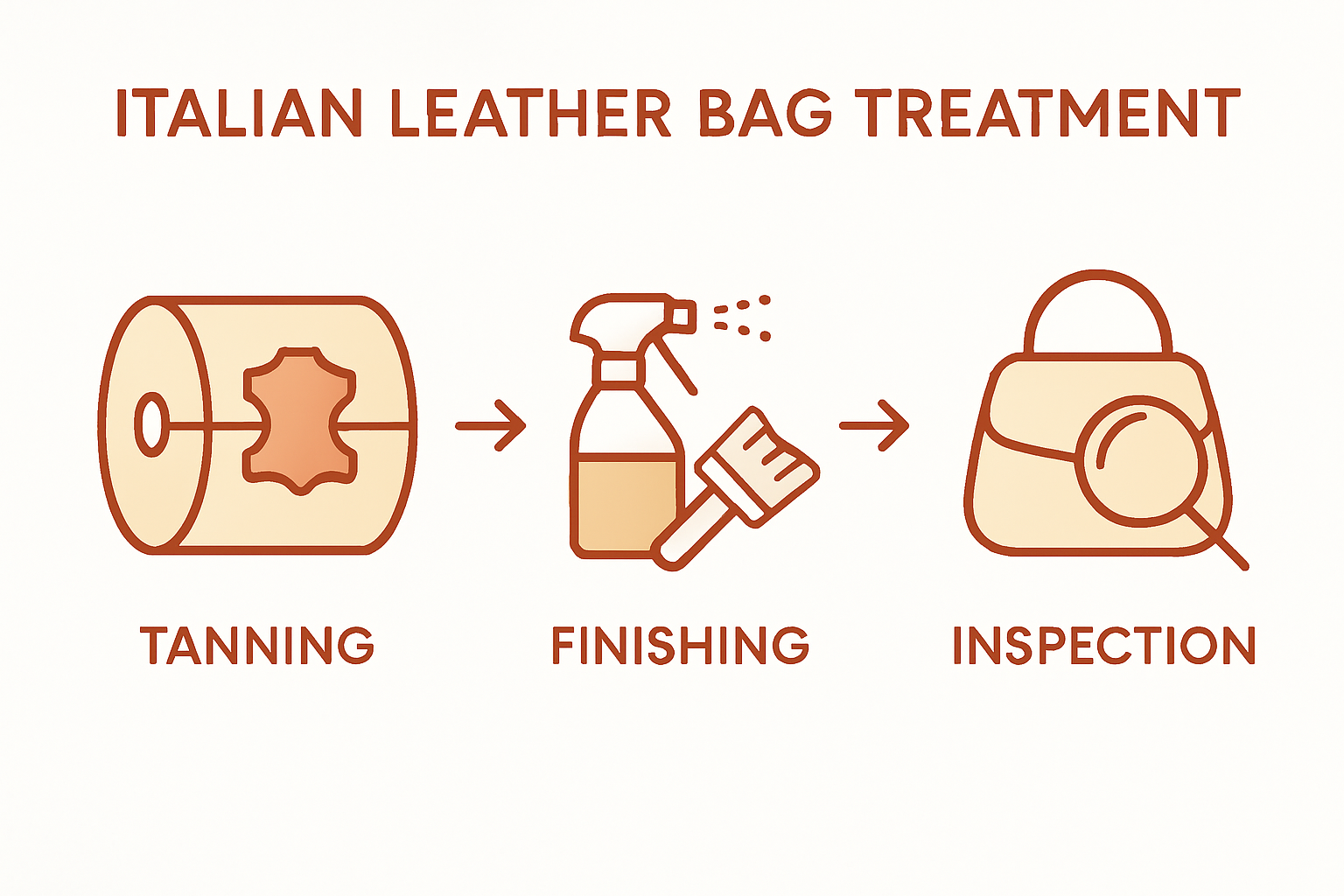
The treatment process comprises several essential stages, each contributing to the leather’s final quality. Tanning remains the foundational technique, chemically stabilising the leather fibres and preventing decomposition. Subsequent stages include dyeing, which introduces rich colour, and finishing, which adds protective layers that shield against environmental damage. These intricate processes determine the leather’s durability, flexibility, and overall performance.
Specifically for handbags, leather treatment must balance aesthetic refinement with practical functionality. This means selecting treatment techniques that preserve the leather’s natural grain, enhance its resistance to wear, and maintain its luxurious appearance. Italian artisans, renowned for their craftsmanship, employ traditional methods that respect the leather’s inherent qualities while creating accessories that are both beautiful and long-lasting. How to Store Leather Handbags for Longevity and Care provides additional insights into maintaining these exquisite pieces.
Ultimately, understanding leather treatment reveals it as an art form as much as a technical process. Each handbag represents a carefully curated journey from raw material to refined accessory, with treatment techniques transforming premium leather into a testament of elegance, durability, and timeless style.
Types of Leather Used in Luxury Bags
Luxury handbags represent a pinnacle of craftsmanship, with the selection of leather playing a crucial role in determining their quality and character. Different leather types offer unique properties, enabling designers to create accessories that are not just functional but also exquisite works of art.
Full-grain leather stands at the apex of leather quality, representing the most premium option for luxury handbags. This exceptional material preserves the leather’s natural grain, showcasing intricate textures and imperfections that tell a unique story. Artisan craftspeople carefully select full-grain leather for its durability, rich patina development, and ability to age gracefully. Alongside full-grain, top-grain leather offers a more refined surface, making it popular for sleek, contemporary designs.
The diversity of leather types extends beyond bovine sources. Exotic leathers like crocodile and alligator provide unparalleled texture and exclusivity, while softer options such as lambskin and goatskin deliver lightweight flexibility. The Complete Guide to Common Handbag Materials explores these variations in depth, highlighting how each material contributes to a bag’s unique aesthetic and functional qualities.
Ultimately, the choice of leather transforms a simple accessory into a statement of sophistication. Italian designers excel at understanding these nuanced differences, selecting materials that not only look stunning but also withstand the test of time, creating handbags that become treasured heirlooms.
Essential Leather Treatment Techniques
Leather treatment represents a sophisticated process that transforms raw materials into refined, durable accessories. Tanning serves as the foundational technique for preparing leather, fundamentally altering the hide’s molecular structure to prevent decomposition, ensuring the material’s longevity and resilience.
Chromium tanning and vegetable tanning emerge as the two primary methods, each offering distinct characteristics. Chromium tanning produces softer, more pliable leather ideal for luxury handbags, while vegetable tanning creates a more rigid, naturally-aged appearance prized by traditionalists. Key leather treatment processes include precise techniques for dyeing, finishing, and surface enhancement, with each stage carefully orchestrated to maximise the leather’s aesthetic and functional potential.
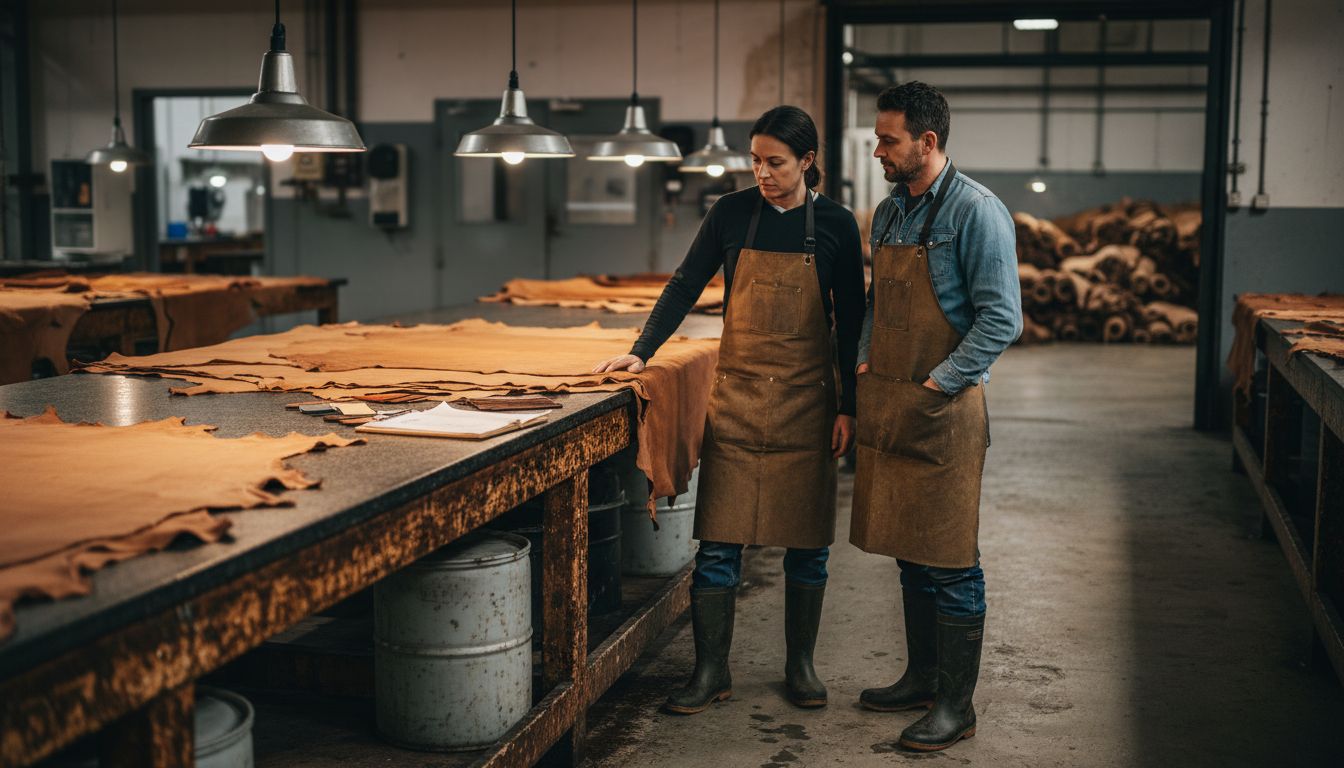
The finishing stage represents a critical moment in leather treatment, where artisans apply protective coatings and treatments that determine the material’s final appearance and performance. These techniques might involve waxing to improve water resistance, buffing to create specific textures, or applying specialised sealants that protect against environmental damage. 7 Expert Ways to Choose and Care for Good Leather Bags provides additional insights into maintaining the integrity of treated leather.
Ultimately, leather treatment is an intricate dance between scientific precision and artistic craftsmanship. Italian artisans have perfected these techniques over generations, transforming simple animal hides into luxurious materials that tell stories of tradition, innovation, and unparalleled quality.
Risks of Improper Bag Care and Damage
Improper leather bag care can lead to catastrophic deterioration of even the most exquisite luxury accessories, transforming valuable investments into damaged relics. The delicate nature of leather demands meticulous attention, with each careless moment potentially compromising the bag’s structural integrity and aesthetic appeal.
Environmental exposure represents a significant threat to leather handbags. Prolonged direct sunlight can cause irreversible fading and drying, while excessive humidity might trigger mould growth and material breakdown. Specific risks include staining, cracking, and progressive loss of the leather’s natural structural properties, which can dramatically reduce a bag’s lifespan and value. Leather becomes particularly vulnerable when subjected to extreme temperature fluctuations, harsh cleaning chemicals, or persistent moisture.
Storage practices play a crucial role in preventing damage. Inappropriate storage methods can cause permanent deformation, colour transfer, and material stress. Hanging bags by their straps, storing them in plastic containers, or cramming them into overcrowded spaces can lead to stretching, hardware imprints, and structural warping. How to Store Leather Handbags for Longevity and Care offers comprehensive guidance on maintaining your investment.
Ultimately, protecting a luxury leather handbag requires understanding its inherent fragility. Italian craftspeople invest countless hours creating these remarkable accessories, and their preservation demands equal commitment from the owner. Thoughtful care, gentle handling, and proactive maintenance are not mere suggestions but essential practices for safeguarding these exquisite pieces of functional art.
Best Practices for Lasting Italian Craftsmanship
Traditional leather craftsmanship represents a delicate balance between time-honoured techniques and meticulous attention to detail, particularly in the realm of luxury handbag production. Italian artisans have perfected an approach that transforms raw materials into extraordinary accessories through generations of accumulated expertise.
Material selection forms the cornerstone of exceptional craftsmanship. High-quality leather treatment begins with careful hide selection, emphasising premium full-grain materials that showcase natural textures and inherent durability. Traditional tanning processes play a crucial role, with vegetable and chrome tanning methods preserving the leather’s structural integrity while enhancing its aesthetic qualities. Skilled artisans meticulously examine each hide, rejecting those with imperfections and selecting only the most exceptional specimens.
Preservation techniques are equally important in maintaining the handbag’s pristine condition. Understanding Italian Handbag Craftsmanship Explained highlights the importance of regular maintenance, including proper storage, careful cleaning, and minimal exposure to harsh environmental conditions. Professional leather conditioning, performed by experts who understand the material’s nuanced characteristics, helps prevent cracking, maintain suppleness, and protect the bag’s structural integrity.
Ultimately, Italian craftsmanship transcends mere manufacturing—it represents a profound commitment to creating accessories that tell stories, evoke emotions, and represent generations of skill passed from master to apprentice. Each handbag becomes a testament to patience, precision, and an unwavering dedication to producing objects of extraordinary beauty and lasting quality.
Preserve the Elegance of Your Italian Luxury Handbag
Leather treatment is essential for maintaining the timeless beauty and durability of your luxury handbag. As highlighted in the article, choosing the right care and understanding the intricate tanning and finishing processes are key to preventing damage from environmental factors and improper storage. Many owners share the challenge of protecting their investment from fading, cracking, or structural wear while preserving the natural character of full-grain leather.
At San Rocco Italia, we appreciate these concerns deeply. Our collection features handbags crafted in Italy by skilled artisans, using traditional tanning techniques and premium leather that stands the test of time. Explore our range for accessories that combine sophisticated design with enduring quality, created to offer both aesthetic excellence and practical resilience.
Discover how you can own a piece of authentic Italian craftsmanship that honours the art of leather treatment.

Experience the difference exceptional care and artistry can make by visiting San Rocco Italia today. Browse our exclusive selection of luxury handbags and learn more about understanding Italian handbag craftsmanship explained for expert insights into preserving your investment. Do not wait to cherish quality that lasts—choose Italian excellence now.
Frequently Asked Questions
What is leather treatment for handbags?
Leather treatment is a sophisticated preservation process that transforms raw leather into durable and elegant accessories. It involves techniques such as tanning, dyeing, and finishing, which enhance the material’s natural characteristics and ensure its durability and aesthetic appeal.
What are the main types of leather used in luxury handbags?
The main types of leather used in luxury handbags include full-grain leather, which showcases the leather’s natural grain and textures, and top-grain leather, known for its refined surface. Exotic leathers, such as crocodile and alligator, as well as softer options like lambskin and goatskin, are also popular choices due to their unique properties and aesthetics.
What are the risks of improper care for luxury leather bags?
Improper care of luxury leather bags can lead to significant damage such as staining, cracking, fading, and structural weakening. Environmental exposure, inappropriate storage, and harsh cleaning methods are common risks that can deteriorate the bag’s condition and value.
How can I maintain my luxury leather handbag?
To maintain your luxury leather handbag, store it properly away from direct sunlight and moisture, regularly clean it with appropriate products, and condition the leather to prevent cracking. It is also essential to handle the bag gently and to be cautious of environmental factors that may cause damage.
Recommended
- Best 6 Italian Handbags 2025 – Expert Comparison – San Rocco Italia
- How Long Do Leather Bags Last: Complete Guide – San Rocco Italia
- 8 Best Italian Leather Handbags Made in Italy to Explore – San Rocco Italia
- Find Your Perfect Italian Leather Bag for Everyday Elegance – San Rocco Italia
- Understanding Luxury Fragrance Defined: A Deep Dive
