


Investing in luxury bags: timeless value and Italian craft
TL;DR:
- The best investment bags are crafted by Italian artisans using high-quality, sustainable materials.
- Iconic brands like Hermès and Chanel retain the highest resale value over time.
- Passion for craftsmanship and sustainability add intrinsic value beyond market appreciation.
Choosing a luxury handbag is rarely a simple decision. The market is saturated with beautiful options, but only a handful of styles genuinely hold or grow their value over time. For women who care about quality, provenance, and the ethics behind what they carry, the stakes feel even higher. Hermès Birkin bags have outperformed both stocks and gold over the long term, which tells you something important: the right luxury bag is not just a purchase, it is a considered choice. This guide walks you through the criteria that matter, the bags worth knowing, and how Italian craftsmanship and sustainability fit into the picture.
Table of Contents
- What makes a luxury bag a smart investment?
- Top luxury bags that hold their value
- Comparing Italian craftsmanship to global icons
- Risks and how to choose an investment bag
- Why passion and sustainability matter more than returns
- Discover Italian handbags with lasting value
- Frequently asked questions
Key Takeaways
| Point | Details |
|---|---|
| Invest for longevity | Choose Italian-crafted bags from timeless brands for lasting value and style. |
| Prioritise sustainability | Opt for vegetable-tanned leathers and ethical production to align with your values and boost prestige. |
| Neutral classics outperform | Classic shapes and colours hold their value better than trendy designs. |
| Maintenance matters | Proper care and original packaging significantly increase resale potential. |
| Beyond financial returns | The joy and meaning of luxury handbags often outweigh their investment gains. |
What makes a luxury bag a smart investment?
Not every expensive bag qualifies as an investment. Price alone means very little if the design is trend-driven, the leather is low grade, or the brand lacks heritage. For a bag to genuinely hold value, several factors need to align.
The most important is craftsmanship. A bag constructed by skilled hands, using traditional techniques and premium materials, will outlast anything produced at scale. Italian artisans in particular bring decades of inherited knowledge to every piece. The stitching, the edge finishing, the way a handle is attached — these details separate a bag that ages gracefully from one that falls apart within a few seasons.
Material quality is equally critical. Italian vegetable-tanned leather is widely regarded as the finest available. It is produced without harsh chemicals, making it far gentler on the environment. More importantly for investment purposes, it develops a rich patina over time, meaning the bag actually becomes more beautiful with age rather than showing wear. That is a quality you simply cannot replicate with synthetic alternatives or lower-grade hides.
Here is what to look for when assessing a bag’s investment potential:
- Timeless silhouette: Structured shapes like totes, saddle bags, and top-handle styles endure across decades
- Neutral colour palette: Black, camel, tan, and cognac retain broader appeal on the resale market
- Heritage brand: Established houses with decades of consistent design command stronger resale prices
- Ethical sourcing: Bags made with sustainably sourced materials are increasingly preferred by discerning buyers
- Limited production: Scarcity drives demand, which supports value retention
Sustainability has shifted from a niche concern to a genuine prestige marker. Women who invest in sustainable luxury are not simply making an ethical choice; they are aligning themselves with a growing segment of the market that actively seeks responsibly made goods. This matters for resale too, as eco-conscious buyers are willing to pay a premium for verified provenance.
“Luxury bags function as ‘wearable passion assets’ that can hedge against inflation, but they are illiquid compared to stocks. Italian craftsmanship ensures longevity, which is what separates a bag that holds value from one that simply costs a lot.” — Swagger Magazine
Pro Tip: Resist the pull of seasonal statement pieces. A bag you buy because it is everywhere right now is likely to feel dated in three years. The bags that Italian artisans design with longevity in mind are the ones worth your investment.
Top luxury bags that hold their value
With the criteria established, it helps to look at which specific bags have demonstrated real, measurable value retention. The data here is instructive, and some of the figures are genuinely surprising.
The Hermès Birkin remains the gold standard. Average annual appreciation of 14.2% over 35 years, with returns of 8 to 12 percent annually in 2026, puts it firmly ahead of most conventional asset classes. Waitlists stretch years, and the secondary market remains fiercely competitive. Its value comes from scarcity, consistent design, and the near-mythological status it holds in fashion culture.
The Chanel Classic Flap is another consistent performer. Its quilted leather, interlocking CC clasp, and chain strap have remained essentially unchanged for decades. That consistency is intentional and commercially brilliant. Buyers know exactly what they are getting, which makes it easy to price on the resale market.
| Brand | Bag | Resale retention | Avg. annual appreciation |
|---|---|---|---|
| Hermès | Birkin | 110–140% | 8–12% |
| Chanel | Classic Flap | 85–105% | 5–7% |
| Gucci | Dionysus / Marmont | 40–60% | 2–4% |
| Prada | Galleria / Nylon | 40–60% | 2–4% |
| Italian artisan brands | Classic structured styles | Variable | Strong long-term |
The luxury handbag market grew 15% in recent years, with Hermès achieving 110 to 140 percent resale retention, Chanel between 85 and 105 percent, and Gucci and Prada in the 40 to 60 percent range. Those numbers reflect a clear hierarchy.
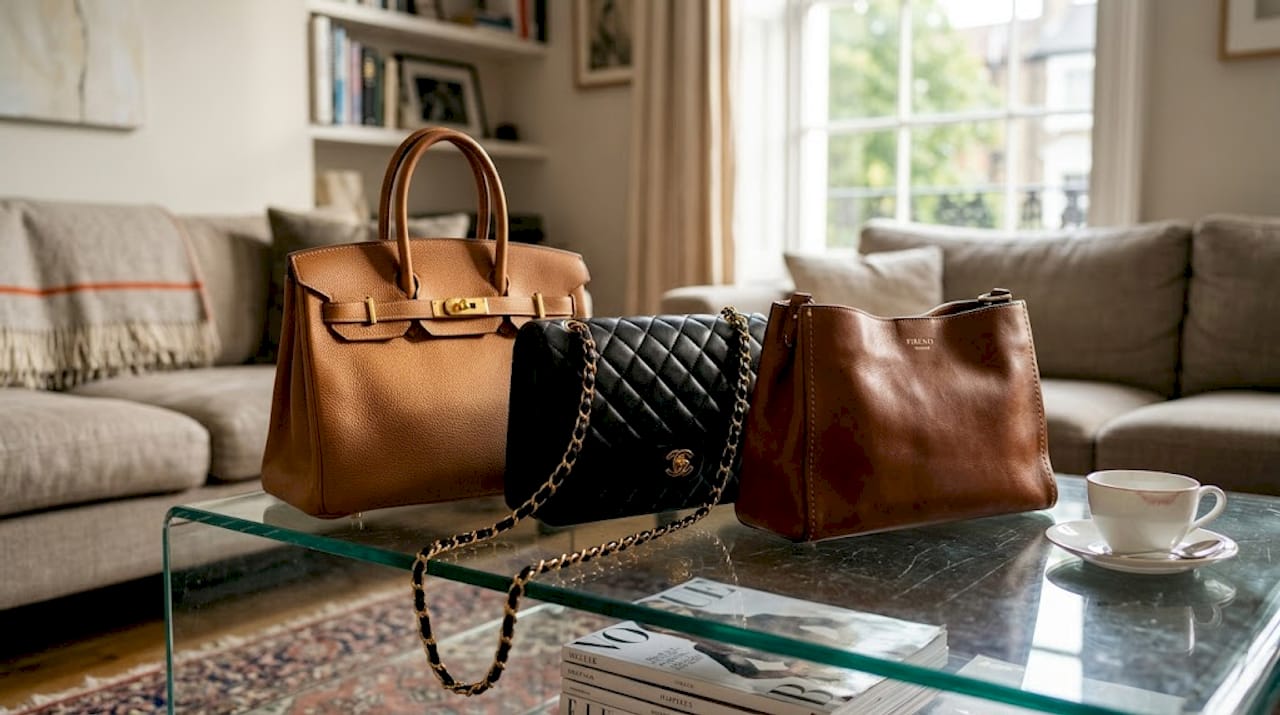
Gucci and Prada produce beautiful, well-made bags, but their broader product ranges and more trend-responsive designs mean resale values fluctuate more. That does not make them poor choices — it simply means you are buying primarily for pleasure, with modest investment upside.
What is worth paying attention to is the growing category of Italian artisan brands. These are houses that have operated for generations, producing classic handbag styles with exceptional materials and minimal marketing noise. They do not command Hermès prices, but their quality is often comparable and their designs are genuinely timeless. As the market for “quiet luxury” matures, these bags are increasingly recognised as serious contenders.
For a detailed look at how Italian options compare side by side, the best Italian handbags comparison is a useful reference. The history of luxury handbags also provides helpful context for understanding why certain houses have retained their prestige while others have faded.
Key takeaway: The bags with the strongest value retention share three traits: consistent design language, exceptional materials, and controlled supply. If a bag ticks all three boxes, it is worth serious consideration.
Comparing Italian craftsmanship to global icons
It is tempting to assume that French heritage houses automatically outperform Italian makers on investment metrics. The reality is more nuanced, and for women who prioritise both quality and ethics, Italian bags often represent the stronger long-term choice.
Italian craftspeople typically spend 15 to 20 hours per handbag, a level of attention that produces a fundamentally different product from anything made at industrial scale. Every cut, every stitch, every finish is considered. The result is a bag that not only looks exceptional but performs exceptionally over years of use.
French houses like Hermès and Louis Vuitton are undeniably prestigious, but their investment performance is partly driven by brand mythology and marketing spend rather than purely by craftsmanship. Italian makers, by contrast, tend to let the work speak for itself. That quiet confidence is increasingly valued by buyers who have moved beyond logo-driven fashion.
| Feature | Italian artisan bags | French/US global icons |
|---|---|---|
| Craftsmanship hours | 15–20 hrs per bag | Varies widely |
| Leather quality | Vegetable-tanned, patina-rich | High quality, varied sourcing |
| Sustainability | Strong ethical sourcing | Improving, but inconsistent |
| Trend exposure | Low, classic-focused | Higher, seasonal collections |
| Resale liquidity | Growing market | Established, highly liquid |
| Price entry point | More accessible | Premium to ultra-premium |
On sustainability, Italian makers have a meaningful edge. Vegetable-tanned leather is chemical-free and biodegradable, produced using methods that have changed little over centuries. For buyers who consider environmental impact part of their purchasing criteria, this is not a minor detail — it is a defining one.
Global icons do offer one clear advantage: resale liquidity. There is always a buyer for a Birkin or a Classic Flap, and pricing is well established. Italian artisan bags are gaining ground here, but the secondary market is less formalised. That said, resale value insights suggest the gap is narrowing as demand for quality over branding continues to grow.
For buyers interested in durable leather handbags that will genuinely last decades, Italian options are hard to beat. The Italian handbag trends page offers a closer look at how contemporary Italian design balances tradition with modern relevance.
Pro Tip: When choosing between Italian and global icons, opt for neutral colours and classic silhouettes regardless of origin. Camel, black, and cognac in structured shapes consistently outperform bold colours and novelty designs on the resale market.
Risks and how to choose an investment bag
Even the most carefully chosen luxury bag carries risk. Understanding those risks upfront is what separates a confident investment from an expensive mistake.
The most common pitfall is buying into trends. Trendy bags can depreciate by 20 to 30 percent within a few years, and bags that feel fresh and exciting today can look dated quickly. The resale market is unforgiving in this regard. A bag that was everywhere two seasons ago often struggles to find buyers at anything close to its original price.
Illiquidity is another genuine concern. Unlike shares, you cannot sell a luxury bag in seconds. Finding the right buyer at the right price takes time, and resale platforms charge significant fees. Think of a luxury bag as a five to ten year hold, not a quick flip.
Condition is critical. A bag in pristine condition with its original dust bag, box, and receipt can command significantly more than the same bag without documentation. Scratches, staining, or worn hardware can reduce resale value dramatically.
Common risks to be aware of:
- Trend-driven depreciation on seasonal or novelty designs
- Illiquidity compared to financial assets
- Condition deterioration from poor storage or regular use
- Counterfeit risk when buying on secondary markets
- Overpricing at retail for bags with limited resale demand
Here is a practical checklist for buying an investment bag in 2026:
- Research the brand’s resale history — check platforms like Vestiaire Collective and The RealReal for pricing trends
- Prioritise classic silhouettes — avoid anything described as a “seasonal exclusive” or “limited edition colourway”
- Inspect the leather — full-grain or vegetable-tanned leather is the benchmark; avoid corrected-grain or bonded leather
- Check hardware quality — solid brass or gold-plated hardware ages far better than lightweight alloys
- Keep all original packaging — dust bags, boxes, authenticity cards, and receipts all support resale value
- Store correctly — stuff the bag to maintain its shape, keep it in its dust bag, and store away from direct light
For guidance on navigating trendy handbag risks versus timeless choices, or understanding the distinction between luxury and designer handbags, both resources offer practical frameworks for making smarter decisions.
Pro Tip: Always retain your original receipt and purchase documentation. On the secondary market, provenance matters enormously — a verified purchase history can add hundreds of pounds to your resale price.
Why passion and sustainability matter more than returns
There is a version of this conversation that reduces luxury bags entirely to spreadsheet logic: appreciation rates, resale percentages, liquidity windows. That framing misses something important.
The women who build genuinely meaningful collections are not doing so because they ran the numbers. They are drawn to the story behind a piece — the Florentine tannery that has been producing the same leather for four generations, the Roman atelier where a craftsperson spends three weeks on a single bag. That connection to Italian artistry is not sentimental fluff. It is a legitimate reason to invest, and it is one that financial metrics cannot fully capture.
Sustainable luxury has become a top driver for affluent buyers, with ethical sourcing and eco-responsibility functioning as prestige markers in their own right. Choosing a bag made with vegetable-tanned leather from a traceable source is a statement about values, not just aesthetics. That kind of intentionality tends to produce collections that hold meaning long after the financial case has been made.
Our view at San Rocco Italia is simple: the best investment is one you will still love in twenty years. Numeric returns matter, but they are a secondary consideration when you are choosing something you will carry every day. Styling Italian luxury is about expressing who you are, not just what you own. Self-expression and sustainability, when grounded in genuine craftsmanship, outlast any market cycle.
Discover Italian handbags with lasting value
If this guide has confirmed what you already suspected — that quality, provenance, and timeless design matter more than seasonal hype — then Italian craftsmanship is the natural next step.
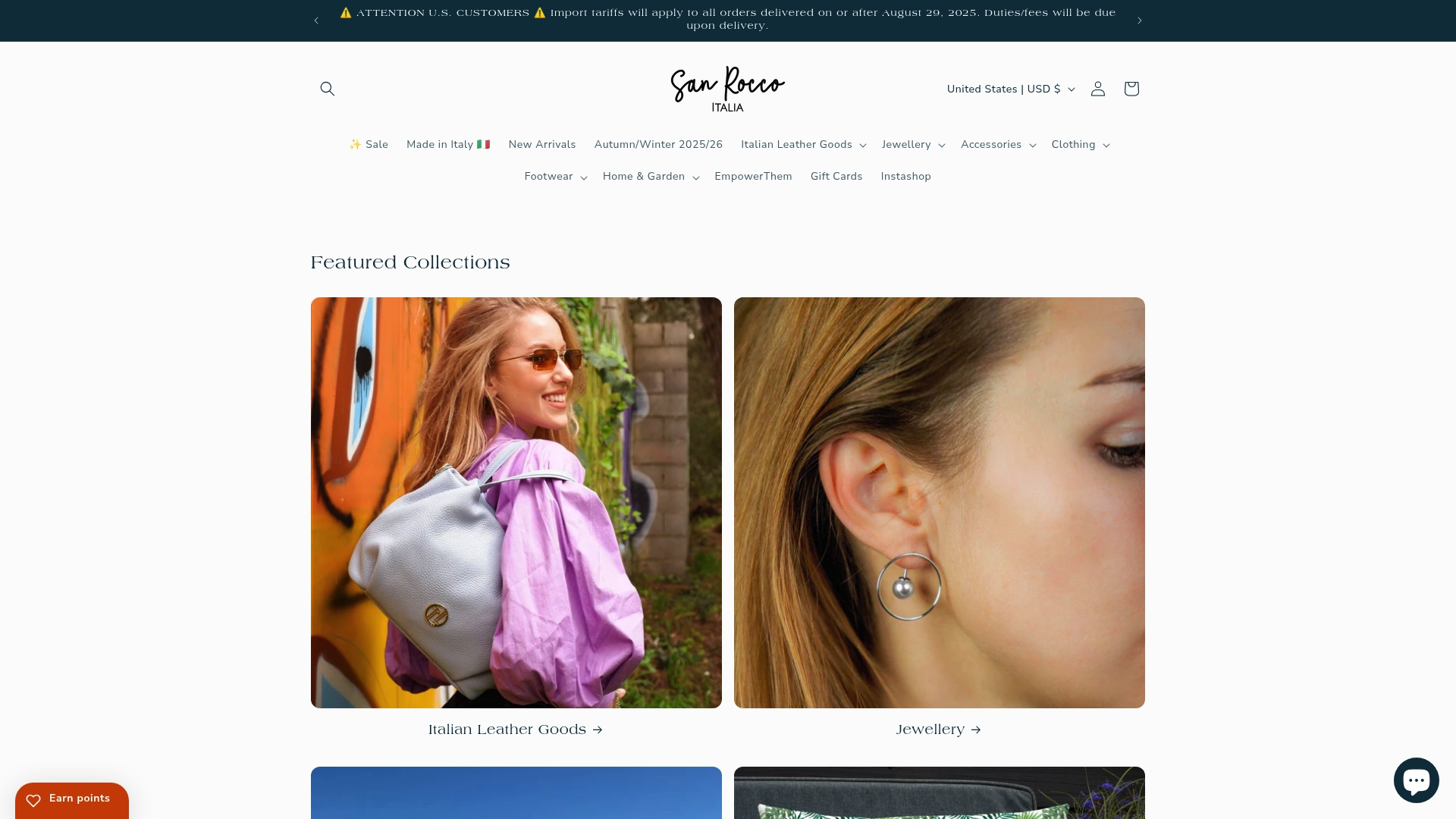
At San Rocco Italia, every handbag and leather good is made in Italy by skilled artisans using premium full-grain leather and traditional techniques. Our collection is designed for women who want pieces that age beautifully, carry meaning, and stand apart from the disposable end of the market. Whether you are building a considered collection or looking for one exceptional piece, the San Rocco Italia collection offers styles crafted with both investment value and everyday elegance in mind. Explore our range and find the bag that will still feel right a decade from now.
Frequently asked questions
Do all luxury bags appreciate in value?
No. Only select timeless styles from heritage brands appreciate consistently. Trendy bags often depreciate by 20 to 30 percent within a few years as their moment passes.
Is Italian leather better for investment?
Yes. Italian vegetable-tanned leather is more durable, chemical-free, and develops a striking patina over time, making it an excellent choice for long-term investment and everyday use.
How do I maintain a luxury bag’s resale value?
Store your bag in its original dust bag, retain all receipts and authenticity cards, stuff it to maintain shape, and keep it away from moisture and direct sunlight. Condition is one of the biggest factors in resale pricing.
Which brands have the best resale retention?
Hermès achieves 110 to 140 percent resale retention, Chanel between 85 and 105 percent, and Gucci and Prada in the 40 to 60 percent range over five years.
Is investing in luxury bags sustainable?
It can be, particularly when you choose bags made with ethically sourced, vegetable-tanned Italian leather. Sustainable luxury has become a leading driver for affluent buyers who want quality and conscience in equal measure.
Recommended
- Italian vs French leather bags: choosing timeless luxury – San Rocco Italia
- Italian handbag trends 2026: timeless styles & expert tips – San Rocco Italia
- History of Luxury Handbags: Timeless Symbols of Status – San Rocco Italia
- Complete Guide to What Makes a Bag Luxury – San Rocco Italia
- What is a luxury portfolio? Essentials for legacy investors



