


Best designer bag 2026: Italian craftsmanship guide
Many shoppers believe designer bags are defined by logos and brand recognition alone. This misconception overlooks the true markers of quality: full-grain leather, artisanal techniques, and sustainable production. Italian handbags exemplify these principles, combining centuries-old craftsmanship with modern environmental responsibility. This guide reveals how to identify timeless, high-quality Italian designer bags that offer lasting value and evolving beauty, helping you make wise investment choices aligned with slow fashion ideals.
Table of Contents
- Why Full-Grain Leather And Vegetable Tanning Define Bag Quality
- Italian Craftsmanship: The Art Behind Iconic Bags
- Sustainability And Ethical Commitments In Italian Luxury Brands
- How To Choose The Best Designer Bag For Timeless Style And Lasting Value
- Explore Timeless Italian Designer Bags With San Rocco Italia
- Frequently Asked Questions
Key takeaways
| Point | Details |
|---|---|
| Full-grain leather superiority | Full-grain and vegetable-tanned leather ensure durability and develop rich patina over decades |
| Italian artisan techniques | Bottega Veneta’s intrecciato weaving exemplifies slow fashion through meticulous handcrafted construction |
| Sustainability leadership | Ferragamo’s 16.4% emissions reduction and Science Based Targets validation reflect modern luxury values |
| Investment potential | Designer bags from heritage brands command 55% premium resale prices versus retail |
| Timeless design philosophy | Choosing bags with iconic craftsmanship offers lasting style beyond seasonal trends |
Why full-grain leather and vegetable tanning define bag quality
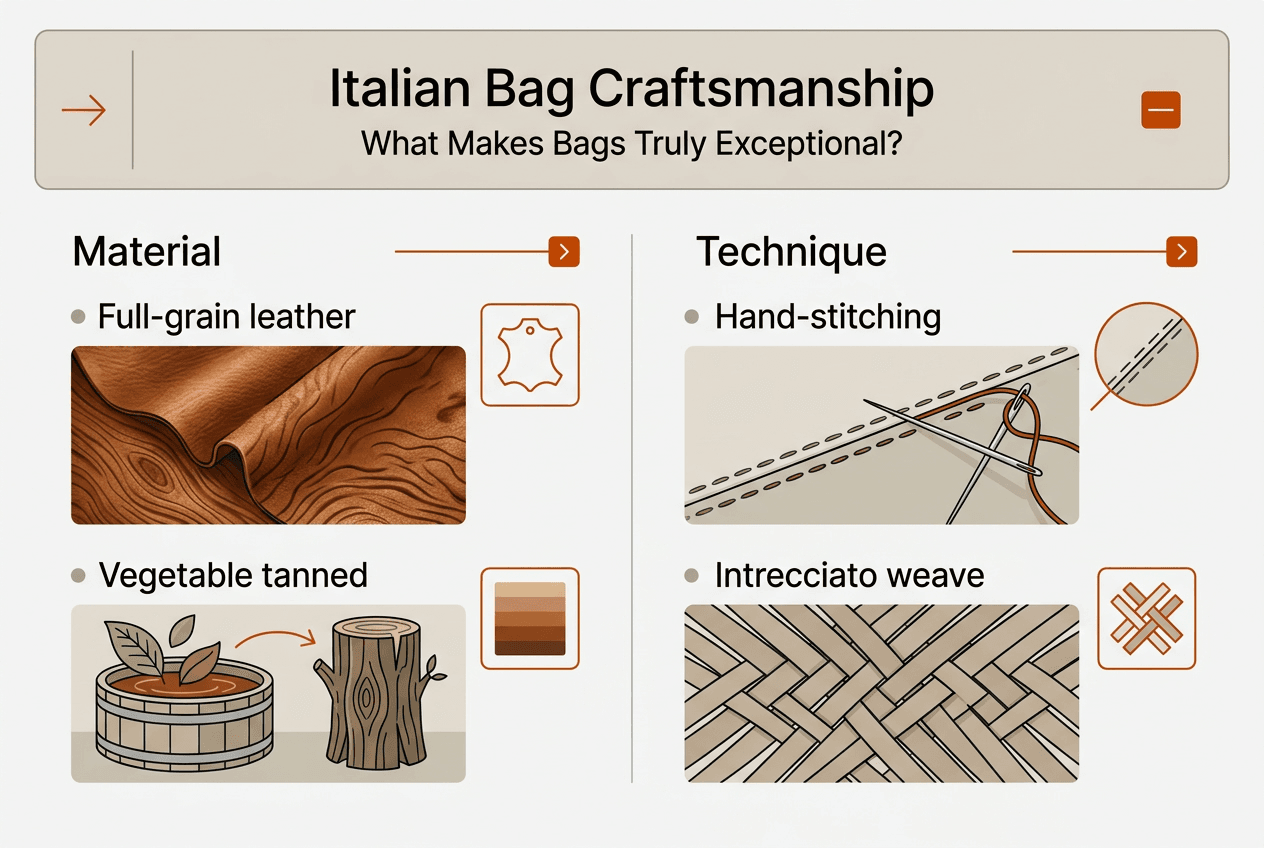
The foundation of any exceptional designer bag lies in its leather quality. Full-grain leather, sourced from the top layer of animal hide, retains natural pores and grain patterns that give each piece unique character. This preservation of the hide’s original structure results in superior tensile strength, allowing full-grain leather bags to last 20-30+ years with proper care.
Vegetable tanning transforms raw hides into supple, durable leather through a slow process using natural tannins extracted from tree bark, leaves, and fruits. Unlike chemical tanning methods that take hours, vegetable tanning requires 30 to 60 days of careful monitoring. This patience yields leather with exceptional firmness, a distinctive earthy aroma, and the ability to develop a beautiful patina as oils from your hands naturally condition the surface over years of use.
Lower-quality materials marketed as “genuine leather” typically use the hide’s bottom layers, which lack structural integrity. These inferior grades often require synthetic coatings to achieve a uniform appearance, resulting in bags that crack, peel, or lose shape within months. Full-grain leather, by contrast, becomes more beautiful with age, developing rich colour variations and soft lustre that reflect your unique handling patterns.
The vegetable tanning process also aligns with environmental values increasingly important to discerning buyers. Natural tannins biodegrade completely, whilst chemical alternatives introduce heavy metals and toxins into water systems. Italian tanneries in Tuscany have perfected these traditional methods over generations, creating leather that honours both heritage and ecological responsibility.
Pro Tip: Examine stitch quality when evaluating any designer bag. Premium pieces feature 8 to 12 stitches per inch, creating seams strong enough to withstand decades of daily use whilst maintaining clean, uniform lines that signal meticulous craftsmanship.
“The slow transformation of vegetable-tanned leather mirrors the philosophy of slow fashion: patience, quality, and respect for natural processes yield products that transcend disposable trends.”
Best leather bag companies prioritise these materials because they understand that true luxury means creating pieces that improve rather than deteriorate with time.
Italian craftsmanship: the art behind iconic bags
Italian artisan techniques elevate designer bags from accessories to wearable art. Bottega Veneta’s intrecciato weaving combines slender leather strips creating supple yet sturdy handbags, introduced in 1975 as an alternative to logo-heavy designs dominating that era. This signature technique involves weaving thin leather strips through a perforated leather base, creating a flexible yet remarkably durable structure that moves with your body whilst maintaining its shape.
Each intrecciato piece requires hours or days of focused handwork by skilled artisans who have trained for years to master the precise tension needed for consistent weave patterns. The technique gained iconic status after appearing in Paul Schrader’s film “American Gigolo” (1980), where its understated elegance perfectly captured sophisticated luxury without overt branding. This slow fashion philosophy prioritises craftsmanship over speed, ensuring every bag meets exacting standards before leaving the workshop.
The intrecciato process demonstrates how Italian makers balance tradition with innovation:
- Artisans select premium leather strips of uniform thickness, typically 3 to 5 millimetres wide
- Each strip is carefully woven through a perforated base in diagonal patterns that distribute stress evenly
- Tension adjustments ensure the weave remains supple enough for natural draping whilst tight enough for structural integrity
- Edge finishing and colour matching receive individual attention to maintain visual harmony across the entire piece
- Final inspection verifies that every intersection sits flush and secure, with no loose ends or irregular spacing
Beyond intrecciato, Italian leather bags showcase other hallmark techniques. Saffiano leather, created by pressing a crosshatch pattern into full-grain hides, offers scratch resistance whilst maintaining an elegant texture. Technical fabrics woven with leather trim demonstrate how traditional makers embrace modern materials without compromising quality standards.
“True Italian craftsmanship reveals itself in details invisible at first glance: the hand-burnished edges, the precisely aligned grain direction, the subtle colour variations that prove each piece was individually handled and inspected.”
These structural techniques prioritise both durability and tactile luxury, creating bags that feel substantial in your hands whilst remaining comfortable during extended wear. The weight distribution, handle placement, and interior organisation all reflect centuries of refinement by artisans who understand how women actually use their bags throughout demanding days.
Sustainability and ethical commitments in Italian luxury brands
Modern luxury increasingly demands environmental and social responsibility alongside aesthetic excellence. Salvatore Ferragamo exemplifies this evolution, having reduced emissions by 16.4% year-on-year whilst scoring in the top 4% globally on climate initiatives according to S&P Global’s 2026 Sustainability Yearbook. This recognition reflects measurable progress rather than marketing rhetoric, with the brand’s Net Zero target for 2050 validated by the Science Based Targets initiative.
Ferragamo’s sustainability framework encompasses multiple dimensions of ethical production. Over 99% of the brand’s leather suppliers use Leather Working Group-certified tanneries that meet rigorous environmental standards for water usage, waste management, and chemical handling. This certification process requires independent audits and continuous improvement, ensuring accountability throughout the supply chain.
The brand’s commitment extends beyond environmental metrics to social governance. Diversity initiatives have increased representation across management levels, whilst fair pay certifications verify that workers throughout the production network receive living wages. These efforts recognise that true sustainability must address both ecological and human wellbeing.
| Sustainability Pillar | Measurable Result | Verification |
|---|---|---|
| Emissions reduction | 16.4% year-on-year decrease | S&P Global Sustainability Yearbook 2026 |
| Leather sourcing | 99%+ from LWG-certified tanneries | Independent Leather Working Group audits |
| Climate targets | Net Zero by 2050 | Science Based Targets initiative validation |
| Social governance | Top 4% global ranking | S&P Global ESG assessment |
Pro Tip: When selecting a designer bag, prioritise brands that transparently report sustainability progress through third-party verified metrics rather than vague environmental claims. Look for specific certifications like Leather Working Group membership, B Corp status, or Science Based Targets validation.
Sustainable luxury handbags from Italian makers demonstrate that environmental responsibility enhances rather than compromises quality. Vegetable-tanned leather, renewable energy in production facilities, and reduced packaging waste all contribute to lower environmental impact whilst maintaining the craftsmanship standards that define true luxury.
These commitments matter particularly to affluent women over 35 who increasingly evaluate purchases through ethical lenses. Choosing bags from brands with verified sustainability programmes aligns personal values with purchasing decisions, creating satisfaction that extends beyond aesthetic pleasure to knowing your investment supports responsible production practices.
How to choose the best designer bag for timeless style and lasting value
Selecting a designer bag worthy of long-term investment requires evaluating multiple factors beyond brand recognition. Top designer bags command 55% premium resale prices versus retail, with Hermès, Louis Vuitton, and Chanel leading this market. However, Italian makers offer comparable quality with distinct advantages in craftsmanship and sustainability.
| Brand | Material Quality | Signature Technique | Sustainability | Resale Potential |
|---|---|---|---|---|
| Bottega Veneta | Full-grain leather | Intrecciato weaving | Moderate transparency | High, iconic designs |
| Salvatore Ferragamo | Vegetable-tanned leather | Architectural construction | Excellent, verified targets | Strong, heritage appeal |
| Hermès | Premium exotic skins | Hand-stitched saddle technique | Limited transparency | Exceptional, waitlist demand |
| Prada | Saffiano leather | Technical fabric innovation | Moderate, Re-Nylon programme | Moderate, trend-dependent |
When evaluating potential purchases, consider these key factors in order of importance:
- Leather quality and origin: Verify full-grain or top-grain leather from reputable tanneries, preferably vegetable-tanned for longevity and environmental benefits
- Construction details: Examine stitching density (8-12 stitches per inch), edge finishing, and hardware quality to assess craftsmanship standards
- Brand sustainability commitment: Research third-party verified environmental and social governance metrics rather than relying on marketing claims
- Design longevity: Choose silhouettes and proportions that transcend seasonal trends, focusing on classic shapes refined over decades
- Maintenance requirements: Understand care needs for your chosen leather type and ensure you can commit to proper conditioning and storage
Pro Tip: Seek slow fashion brands with iconic artisanal techniques like intrecciato weaving or hand-burnished edges. These distinctive methods create bags that appreciate in value as craftsmanship becomes increasingly rare, whilst offering tactile luxury that mass-produced pieces cannot replicate.
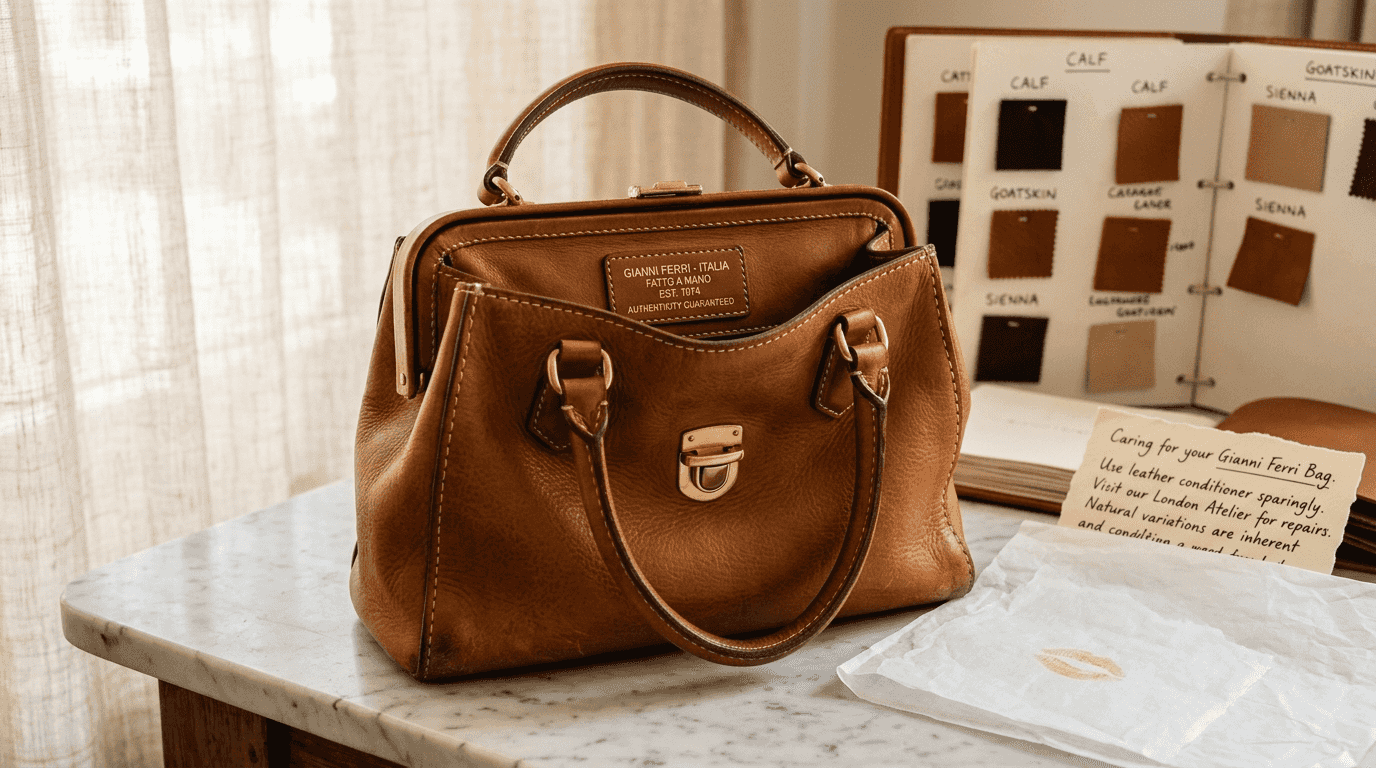
Italian bags excel in adaptability, transitioning seamlessly from professional settings to evening occasions through thoughtful proportions and understated elegance. The evolving beauty of vegetable-tanned leather means your bag becomes uniquely yours, developing character that reflects your lifestyle rather than maintaining a static, unchanging appearance.
Research provenance and certifications before purchasing. Authentic Italian makers provide documentation about leather sources, tanning methods, and production locations. This transparency signals confidence in their processes and helps you verify that sustainability claims match reality. Best Italian handbags combine these elements, offering investment-worthy pieces that deliver both immediate satisfaction and long-term value.
The benefits of Italian handbags extend beyond aesthetics to encompass durability, ethical production, and the profound satisfaction of owning something crafted with genuine skill and care. These qualities justify premium pricing whilst ensuring your investment remains relevant and beautiful for decades.
Explore timeless Italian designer bags with San Rocco Italia
Now that you understand what defines truly exceptional designer bags, discover how San Rocco Italia brings these principles to life. Our curated collection features authentic Italian handbags crafted from premium full-grain leather using traditional artisanal techniques like intrecciato weaving and hand-burnished edges. Each piece reflects the slow fashion philosophy explored throughout this guide, combining heritage craftsmanship with modern environmental responsibility.
As a woman-owned boutique, San Rocco Italia prioritises quality and authenticity over fleeting trends. Our handbags and leather goods come from skilled Italian artisans who honour centuries-old techniques whilst embracing sustainable practices. Shopping with us means supporting ethical production and investing in pieces designed to evolve beautifully alongside your life. Explore our collection to find sustainable luxury handbags that embody the values and craftsmanship detailed in this guide.
Frequently asked questions
What makes full-grain leather preferable to other types?
Full-grain leather retains the hide’s natural top layer with intact pores and grain patterns, providing superior tensile strength that allows bags to last 20 to 30 years or more. Lower grades like “genuine leather” use bottom layers that require synthetic coatings and typically crack or peel within months, whilst full-grain develops beautiful patina that enhances its appearance over time.
How does vegetable tanning affect handbag quality?
Vegetable tanning uses natural tannins over 30 to 60 days, creating leather with exceptional firmness, distinctive aroma, and the ability to develop rich patina as it ages. This slow process yields more durable material than chemical tanning whilst remaining environmentally responsible through biodegradable ingredients. The resulting leather becomes more beautiful with use rather than deteriorating.
Why is Bottega Veneta’s intrecciato technique famous?
Intrecciato weaving, introduced in 1975, combines slender leather strips woven through perforated bases to create supple yet remarkably sturdy handbags. Each piece requires hours of skilled handwork, exemplifying slow fashion principles and creating distinctive texture without relying on logos. The technique gained iconic status after appearing in “American Gigolo” (1980) and remains synonymous with understated Italian luxury.
How can I verify the sustainability of a designer brand?
Look for third-party verified metrics rather than vague environmental claims. Certifications like Leather Working Group membership, Science Based Targets validation, or inclusion in sustainability indices like S&P Global’s yearbook indicate genuine commitment. Brands should transparently report specific achievements such as emissions reductions, renewable energy usage, and ethical labour practices with independent verification.
Are designer handbags a good investment for resale?
Top designer bags from heritage brands command 55% premium resale prices versus retail, with Hermès, Louis Vuitton, and Chanel leading this market. Italian makers like Bottega Veneta also maintain strong resale value, particularly for iconic designs featuring distinctive craftsmanship. Investment potential depends on choosing timeless silhouettes with verified quality rather than trend-driven pieces, ensuring your bag remains desirable as tastes evolve.



