


Cow leather vs genuine leather: quality guide for 2026
Choosing a leather handbag or accessory shouldn’t feel like decoding a foreign language, yet many women find themselves puzzled by terms like genuine leather and cow leather. Despite what the name suggests, genuine leather isn’t the premium option it appears to be. Understanding the real distinctions between these leather types empowers you to invest in pieces that deliver lasting beauty, durability, and value. This guide clarifies what each term truly means, compares their qualities, and equips you with the knowledge to select leather goods that align with your standards and lifestyle.
Table of Contents
- What Does Genuine Leather Really Mean?
- Understanding Cow Leather Grades: Top Grain And Beyond
- Comparing Durability, Appearance And Value: Cow Leather Vs Genuine Leather
- How To Choose And Care For Your Leather Goods Wisely
- Discover Premium Leather Goods At San Rocco Italia
Key takeaways
| Point | Details |
|---|---|
| Genuine leather is lower grade | It refers to processed bottom layers of hide, not premium quality despite the name. |
| Cow leather varies by cut | Top grain and full grain cowhide offer superior durability and natural character. |
| Durability differs significantly | Top grain cowhide lasts a decade or more, whilst genuine leather shows wear within 3 to 5 years. |
| Cost reflects long term value | Higher upfront prices for quality cowhide translate to fewer replacements and better returns. |
| Care extends lifespan dramatically | Regular conditioning and proper storage preserve appearance and prevent premature ageing. |
What does genuine leather really mean?
Genuine leather sounds reassuring, as if the label guarantees authenticity and quality. In reality, it’s a technical term for the lower layers of animal hide remaining after manufacturers remove the top grain. These layers lack the dense, resilient fibres that make premium leather durable and attractive. To compensate, producers sand down the surface, apply heavy dyes, and emboss artificial grain patterns to create a uniform appearance. Genuine leather is often sanded down, treated, dyed, and embossed to mimic a smooth, uniform finish, but this processing strips away much of the hide’s natural strength and breathability.
The result is a material that looks acceptable initially but wears poorly over time. Genuine leather products tend to crack, peel, or lose their finish within a few years of regular use. The extensive chemical treatments compromise the hide’s ability to breathe, making bags and accessories less comfortable against your skin and more prone to moisture damage. Whilst genuine leather serves a purpose in budget conscious markets, it’s important to recognise its limitations before committing to a purchase.
You’ll commonly find genuine leather in affordable handbags, belts, and furniture. These items appeal to shoppers seeking the leather aesthetic without the premium price tag. However, the trade off is predictable: shorter lifespan, less appealing ageing, and a texture that feels plasticky compared to higher grades. When identifying authentic leather, examining the grain and flexibility helps distinguish genuine leather from top quality alternatives.
Pro Tip: Smell the leather before buying. Genuine leather often has a chemical odour from processing, whilst top grain cowhide retains a rich, natural scent that signals quality.
Understanding genuine leather processing effects clarifies why this grade disappoints consumers expecting longevity. The sanding and coating steps prioritise uniformity over durability, creating a product that looks consistent but lacks resilience. For women investing in leather goods meant to last years, genuine leather rarely meets expectations. Recognising these characteristics helps you avoid disappointment and focus on options that deliver genuine value.
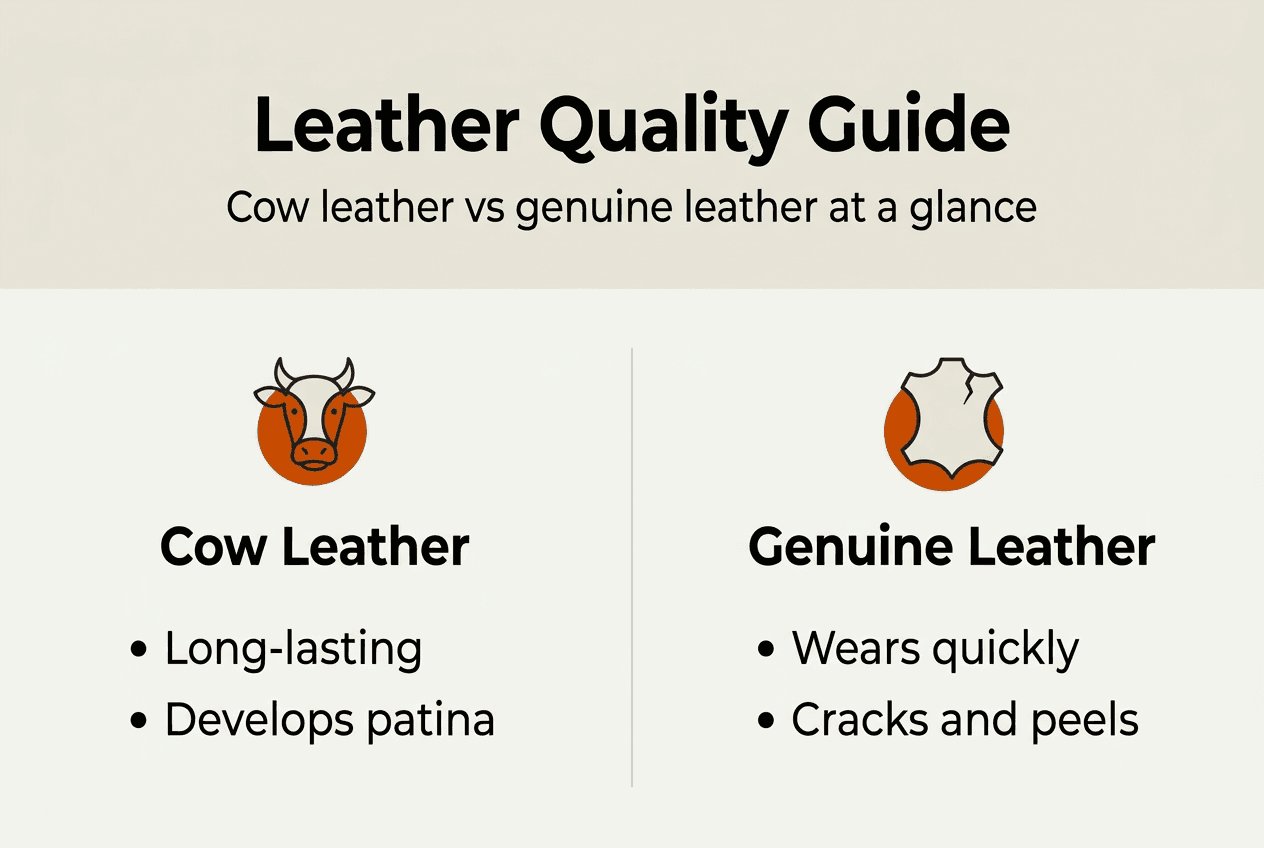
Understanding cow leather grades: top grain and beyond
Cow leather encompasses several grades, each with distinct qualities that affect appearance, durability, and price. The two most relevant for discerning buyers are full grain and top grain leather. Full grain leather boasts densest, strongest collagen fibres, offering maximum tear and abrasion resistance because it retains the hide’s outermost layer completely intact. This grade develops a unique patina over time, with natural markings and variations that tell the story of the animal’s life. Full grain leather is the pinnacle of quality but also the most expensive.
Top grain leather sits just below full grain in the hierarchy. Manufacturers lightly sand the surface to remove minor imperfections, then apply a protective finish. This process creates a smoother, more uniform appearance whilst preserving much of the hide’s natural strength and breathability. Top grain cowhide strikes an excellent balance between durability and aesthetics, making it the preferred choice for luxury handbags and accessories. It ages gracefully, developing character without the cracking or peeling associated with lower grades.
The sanding process for top grain leather is minimal compared to genuine leather’s heavy treatment. This restraint allows the hide to retain its dense fibre structure, which translates to superior toughness and longevity. Top grain cowhide resists scratches better than genuine leather and maintains its shape under regular use. The protective finish adds water resistance without compromising the leather’s ability to breathe, ensuring comfort and practicality.
| Feature | Full Grain Leather | Top Grain Leather |
|---|---|---|
| Durability | Highest, lasts decades | Very high, lasts 10+ years |
| Appearance | Natural marks, rich patina | Smooth finish, elegant patina |
| Breathability | Excellent | Very good |
| Price Range | Premium | Moderate to high |
For most consumers, top grain cowhide represents the best value. It delivers the durability and aesthetic appeal of premium leather without the steep cost of full grain. Understanding these leather types comparison helps you assess whether a product’s price aligns with its quality. When evaluating handbags or accessories, ask about the leather grade and examine the surface closely. Top grain should feel supple yet firm, with a natural texture that hints at the hide’s origins.
Pro Tip: Run your fingers across the leather’s surface. Top grain feels smooth but retains subtle texture, whilst genuine leather often feels plasticky or overly uniform due to embossing.
The durability of top grain cowhide makes it ideal for items you’ll use daily. Handbags, wallets, and belts crafted from top grain leather withstand the rigours of everyday life whilst maintaining their beauty. Investing in top grain leather advantages means fewer replacements and greater satisfaction over the years. This grade embodies the quality and craftsmanship that women over 35 seek when curating their wardrobes with timeless pieces.
Comparing durability, appearance and value: cow leather vs genuine leather
Durability separates top grain cowhide from genuine leather most dramatically. Genuine leather products may show signs of degradation within 3 to 5 years, whilst top grain cowhide can last a decade or more with proper care. This difference stems from the fibre density and processing methods. Top grain retains robust collagen structures that resist tearing and abrasion, whereas genuine leather’s lower layers lack this inherent strength. Over time, genuine leather cracks along stress points, loses its finish, and develops an aged appearance that detracts from its appeal.
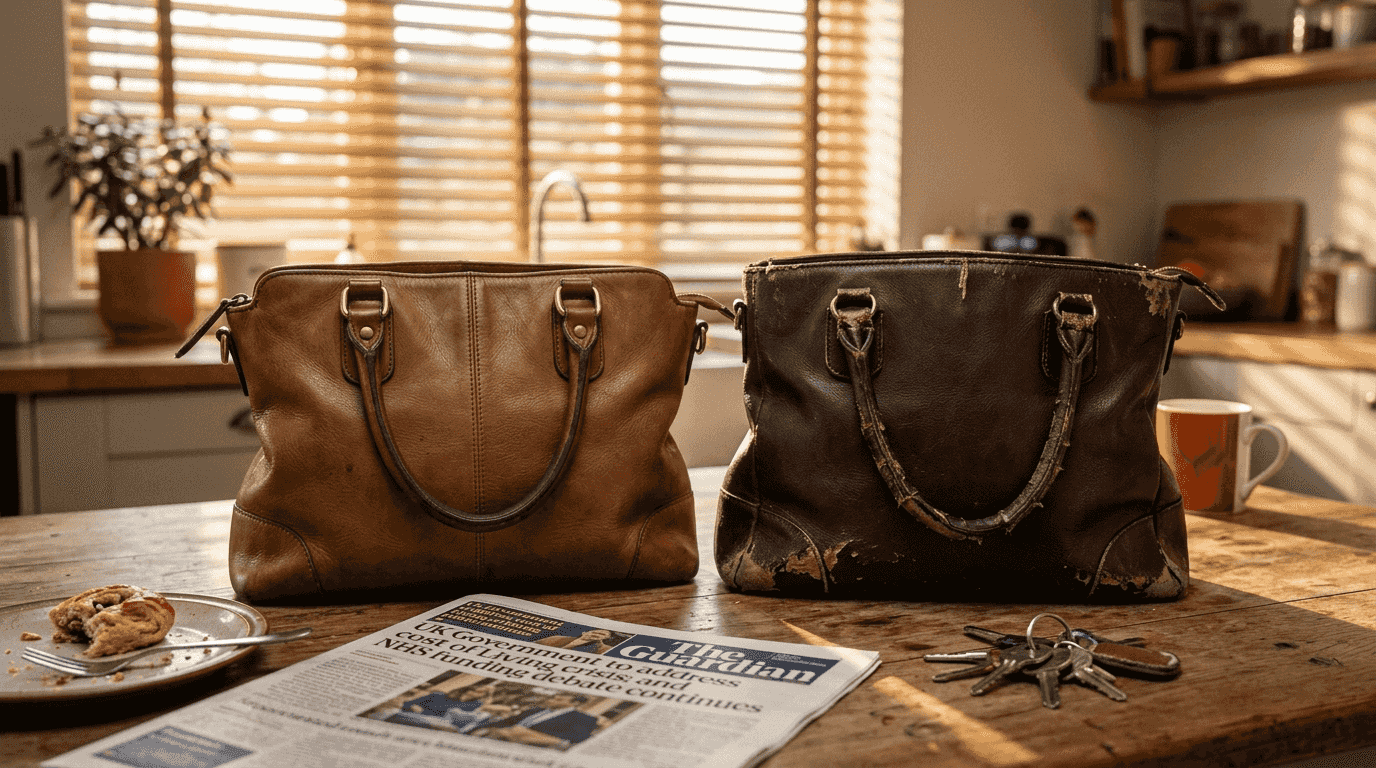
Visual ageing reveals another critical distinction. Top grain cowhide develops a patina, a natural sheen and colour variation that enhances its character and signals quality. This transformation occurs as oils from your hands and environmental exposure interact with the leather’s surface, creating a personalised finish unique to your item. Genuine leather, by contrast, tends to peel or crack rather than patina. The artificial grain and heavy coatings prevent the natural ageing process, leaving you with a product that looks worn out rather than beautifully aged.
Cost over lifespan illustrates the true value proposition. Imagine purchasing a sofa covered in genuine leather for £800. Within five years, the material shows significant wear, forcing you to replace it. That’s £800 spent for five years of use, or £160 annually. Now consider a top grain cowhide sofa priced at £1,500. With proper care, it lasts fifteen years, costing £100 annually. The higher upfront investment delivers better value and eliminates the inconvenience of frequent replacements.
| Aspect | Genuine Leather | Top Grain Cowhide |
|---|---|---|
| Lifespan | 3 to 5 years | 10+ years |
| Ageing | Cracks, peels | Rich patina |
| Annual Cost (example) | £160 | £100 |
| Breathability | Limited | Excellent |
| Feel | Stiff, plasticky | Supple, natural |
Breathability and feel contribute significantly to satisfaction, especially for items like handbags and jackets that contact your skin. Top grain leather breathes naturally, regulating temperature and preventing moisture buildup. Genuine leather’s coatings restrict airflow, making it less comfortable during extended use. The tactile experience differs too: top grain feels soft yet substantial, whilst genuine leather often feels artificially smooth or rigid.
Investing in quality leather isn’t just about aesthetics. It’s about choosing pieces that honour your time, money, and personal style with longevity and grace.
Pro Tip: Calculate cost per year of use when comparing leather products. A £300 top grain handbag lasting twelve years costs £25 annually, whilst a £100 genuine leather bag lasting three years costs £33 annually.
Understanding leather quality importance transforms how you approach purchasing decisions. Rather than focusing solely on price tags, consider the lifespan, maintenance requirements, and aesthetic evolution of each option. Top grain cowhide consistently outperforms genuine leather across these metrics, making it the smarter choice for women seeking quality and value. The leather lifespan and cost analysis reinforces this conclusion with data and real world examples that clarify the financial and practical benefits of choosing premium materials.
How to choose and care for your leather goods wisely
Selecting quality leather begins with knowing what to examine before purchase. Follow these steps to assess whether a product meets your standards:
- Inspect the grain closely. Top grain leather shows subtle, natural texture, whilst genuine leather displays uniform, embossed patterns that look artificial.
- Smell the material. Quality cowhide has a rich, earthy scent, whereas genuine leather often smells chemical or synthetic.
- Test flexibility. Gently bend the leather. Top grain feels supple and springs back, whilst genuine leather may feel stiff or show stress marks.
- Check stitching and hardware. Premium leather goods feature tight, even stitching and solid metal components, signalling overall craftsmanship.
- Ask about the leather grade. Reputable sellers clearly state whether products use full grain, top grain, or genuine leather.
Understanding the different types of leather is crucial for making informed purchasing decisions that align with your lifestyle and expectations. Consider how you’ll use the item. A handbag carried daily demands top grain cowhide’s durability, whilst a decorative piece used occasionally might function adequately in genuine leather. Match the leather type to your needs rather than defaulting to the cheapest option.
Proper care extends your leather goods’ lifespan dramatically and preserves their beauty. Store items in cool, dry places away from direct sunlight and heat sources, which can dry out and crack leather. Use dust bags for handbags and accessories to prevent scratches and dust accumulation. Clean leather regularly with a soft, damp cloth to remove surface dirt before it becomes embedded.
Conditioning is essential for top grain leather. Apply a quality leather conditioner every three to six months, depending on use frequency and climate. Conditioning replenishes natural oils, maintaining suppleness and preventing drying. It also enhances patina development, allowing your leather to age gracefully. Avoid harsh chemicals, household cleaners, or excessive water, which damage the finish and weaken the fibres.
Pro Tip: Test any new cleaning or conditioning product on an inconspicuous area first. This precaution prevents discolouration or damage to visible surfaces.
Common pitfalls include over conditioning, which can make leather greasy, and neglecting to address stains promptly. Blot spills immediately with a clean cloth rather than rubbing, which spreads the stain. For stubborn marks, consult a professional leather cleaner rather than experimenting with home remedies that might cause permanent damage. Regular maintenance prevents small issues from becoming costly problems.
Explore tips for choosing leather handbags to refine your selection process and identify quality markers that separate exceptional products from mediocre ones. Detailed guidance on leather bag care tips ensures your investment remains beautiful and functional for years. Applying these practices transforms leather care from a chore into a rewarding ritual that deepens your connection with cherished pieces.
Additional leather buying decision tips cover warranty considerations, return policies, and questions to ask sellers. Prioritise brands that stand behind their products with guarantees, signalling confidence in their craftsmanship. Investing time in research and care pays dividends in satisfaction and longevity, making every pound spent on quality leather worthwhile.
Discover premium leather goods at San Rocco Italia
Now that you understand the distinctions between cow leather and genuine leather, you’re equipped to make confident choices that reflect your standards. San Rocco Italia specialises in expertly crafted leather goods using premium top grain and full grain materials sourced from skilled Italian artisans. Our collections feature handbags, accessories, and home décor designed for women who value timeless elegance, exceptional durability, and authentic craftsmanship.

Explore our curated range to find pieces that suit your lifestyle and aesthetic preferences. Each item is selected for its quality, ensuring you invest in leather that ages beautifully and serves you faithfully for years. Visit San Rocco Italia to discover detailed product information, care guides, and bespoke options tailored to your needs. Your knowledge of leather quality transforms browsing into purposeful selection, helping you build a collection of pieces you’ll treasure.
FAQ
What is the difference between cow leather and genuine leather?
Cow leather refers to the type of hide and its grade, such as top grain or full grain, which indicates quality and processing level. Genuine leather is a broad term for lower layers of the hide, often heavily processed and less durable. Cow leather can be premium, whilst genuine leather typically represents a lower quality category.
How long do genuine leather products typically last?
Genuine leather products usually show wear such as cracking or peeling within 3 to 5 years with regular use. Durability varies depending on care and usage intensity, but genuine leather generally lasts significantly less than higher grade cowhide leathers. The heavy processing compromises its structural integrity over time.
Are top grain cowhide goods worth the higher price?
Top grain cowhide lasts longer and develops a rich patina, justifying the higher upfront cost through superior longevity and aesthetic appeal. Better durability results in lower replacement frequency, offering long term savings compared to cheaper alternatives. The investment pays off in both financial and experiential terms.
What care practices help extend leather goods’ lifespan?
Keep leather dry and clean using recommended products specifically formulated for leather care. Store items away from direct sunlight and heat, which dry out and damage the material. Regularly condition top grain leather every three to six months to maintain suppleness and encourage beautiful patina development.



