


Difference Between Leather Types: Choosing Lasting Luxury
Finding a truly exquisite handbag means more than admiring its beauty at first glance. For discerning women in Central Europe, understanding what sets apart high-quality Italian leather is a matter of informed taste and values. This guide helps you look past basic labels, highlighting how factors like grain quality, surface treatment, and ethical sourcing shape the unmistakeable appeal of the world’s finest handbags. Discover the details that elevate your next Italian leather investment.
Table of Contents
- What Defines Distinct Leather Types
- Full-Grain, Top-Grain And Other Leathers Compared
- Leather Qualities, Appearance And Durability
- Ethics, Sustainability And Sourcing In Europe
- Choosing The Right Leather For Handbags
Key Takeaways
| Point | Details |
|---|---|
| Understand Leather Types | Leather classification is based on grain quality, hide origin, and tanning processes. |
| Prioritise Quality Leathers | Full-grain and top-grain options provide superior durability and aesthetic appeal. |
| Consider Sustainability | Opt for transparent sourcing practices that reflect commitment to ethical production. |
| Examine Handbag Materials | Assess thickness, grain quality, and finish to ensure long-lasting appeal and performance. |
What Defines Distinct Leather Types
Understanding leather types requires examining multiple crucial factors that determine their quality, durability, and aesthetic appeal. At the core of leather classification are key characteristics like grain quality, animal hide origin, tanning processes, and surface treatments that collectively define each leather’s unique properties.
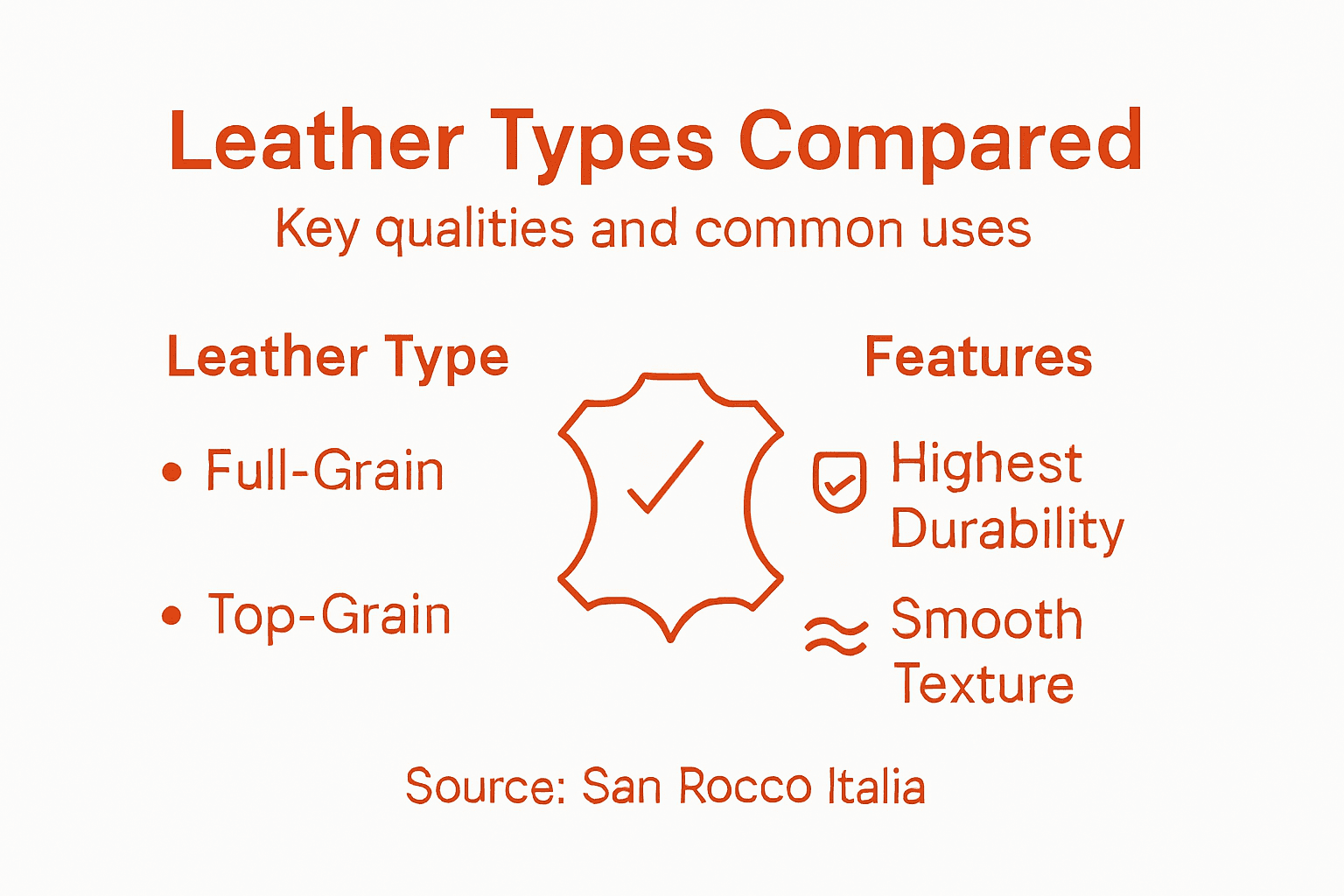
The fundamental distinction between leather types begins with the grain layer’s preservation. Premium leather varieties are characterised by their ability to retain the natural grain layer, which provides distinctive textures and inherent strength. Leather classifications typically include:
- Full-grain leather: Highest quality, featuring the complete grain layer
- Top-grain leather: Slightly modified surface, maintaining most natural characteristics
- Split leather: Lower layers processed after removing top-grain surface
- Genuine leather: Composed of leather layers compressed together
Chemical treatments and tanning methods further differentiate leather types. Aniline, semi-aniline, and pigmented leather treatments represent nuanced approaches that dramatically influence a leather’s appearance, durability, and performance. Aniline leathers, for instance, showcase the hide’s natural markings, while pigmented leathers receive additional protective coatings.
Pro tip: When selecting leather goods, examine the grain quality and surface treatment to understand its true potential for longevity and aesthetic appeal.
Full-Grain, Top-Grain And Other Leathers Compared
Leather quality varies significantly across different classifications, with each type offering unique characteristics that impact durability, appearance, and performance. Full-grain versus top-grain leather differences represent the most nuanced distinctions in high-quality leather production.
Full-grain leather stands as the pinnacle of leather quality, featuring the hide’s entire top layer with natural markings intact. Its characteristics include:
- Unaltered surface preserving natural grain
- Maximum breathability and strength
- Develops rich patina over time
- Most expensive leather category
- Shows unique hide characteristics
Top-grain leather, by contrast, undergoes slight surface modification. Leather experts distinguish top-grain as a refined alternative with specific advantages:
- Sanded and smoothed surface
- Enhanced stain resistance
- More uniform appearance
- Slightly reduced durability compared to full-grain
- More affordable premium option
Lower-grade leather types like genuine leather represent compressed leather layers with significant processing. These varieties offer budget-friendly alternatives but compromise on longevity and natural aesthetic qualities.
Pro tip: When investing in leather goods, prioritise full-grain or top-grain options for superior quality and lasting performance.
Here is a summary comparing popular leather types for better selection:
| Leather Type | Typical Use Cases | Strength & Durability | Visual Appeal |
|---|---|---|---|
| Full-grain | Luxury handbags, shoes | Exceptional, long-term | Rich, develops patina |
| Top-grain | Premium wallets, belts | Very good, resistant | Smooth, consistent |
| Split | Fashion accessories | Moderate, less robust | Uniform, less texture |
| Genuine leather | Budget goods, linings | Basic, limited lifespan | Simple, less distinct |
Leather Qualities, Appearance And Durability
Understanding leather’s inherent qualities reveals a complex interplay between aesthetic appeal and long-term performance. High-quality leather transcends mere visual attraction, embodying a sophisticated combination of structural integrity, natural beauty, and remarkable resilience.
The most exceptional leather demonstrates distinctive characteristics that distinguish it from inferior materials:
- Naturally fine and tight grain structure
- Ability to develop rich, unique patina
- Consistent strength across entire surface
- Minimal processing and preservation of original hide texture
- Resistance to wear and environmental degradation
Leather durability is fundamentally connected to its original grain quality and manufacturing process. The most premium leathers maintain their structural composition while acquiring a distinctive character that tells a story of craftsmanship and careful preservation.
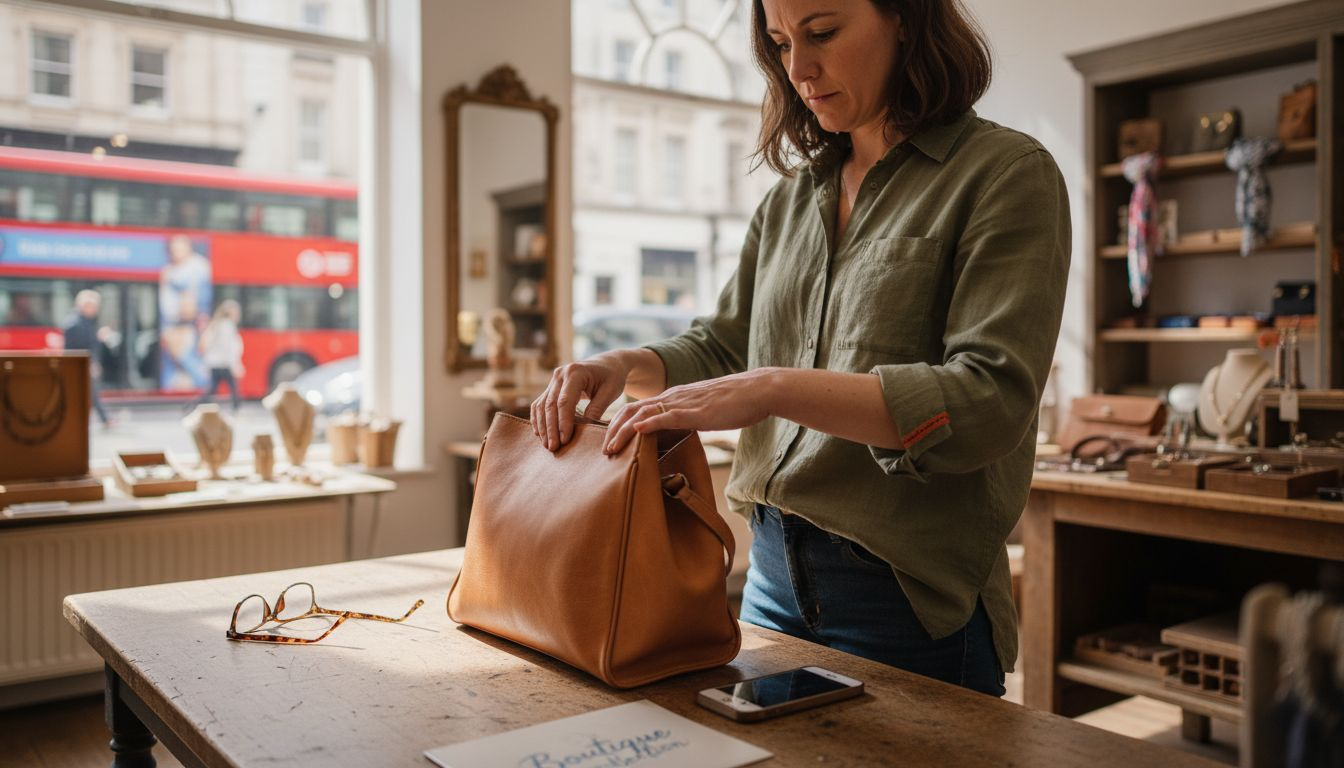
Professional leather experts understand that leather’s elegant aging process represents more than aesthetic transformation. It reflects the material’s inherent quality, with superior leathers developing a nuanced, rich appearance that actually increases their visual and tactile appeal over decades of careful use.
Pro tip: Examine leather closely under natural light, looking for consistent grain, minimal artificial treatments, and a soft, supple texture that indicates genuine high-quality craftsmanship.
Ethics, Sustainability And Sourcing In Europe
European leather industry’s sustainability commitment represents a complex intersection of environmental responsibility, technological innovation, and social welfare. The contemporary leather sector has transformed dramatically, moving beyond traditional manufacturing towards a more holistic approach that prioritises ethical sourcing and environmental consciousness.
Key dimensions of sustainable leather production in Europe include:
- Reduced environmental footprint
- Advanced waste management techniques
- Transparent supply chain practices
- Commitment to worker welfare
- Investment in eco-friendly technologies
- Minimisation of chemical processing
Ethical sourcing demands rigorous standards that extend far beyond mere material procurement. European leather production balances economic and environmental considerations, ensuring that each hide represents a carefully considered choice respecting animal welfare, worker conditions, and ecological impact.
The most progressive European tanneries now integrate circular economy principles, transforming potential waste into valuable resources. This approach demonstrates how traditional craftsmanship can coexist with modern sustainability imperatives, creating leather products that are not just beautiful, but fundamentally responsible.
Pro tip: When purchasing leather goods, request transparency about sourcing origins and ask manufacturers about their specific sustainability practices.
The following table highlights main factors impacting ethical leather production in Europe:
| Factor | Environmental Impact | Social Responsibility | Industry Practice Example |
|---|---|---|---|
| Sourcing transparency | Reduces over-exploitation | Ensures fair labour | Traceable supply chain systems |
| Waste management | Minimises pollution | Improves worker safety | Closed-loop water treatment |
| Chemical reduction | Lessens toxic emissions | Protects local communities | Use of vegetable tanning methods |
Choosing The Right Leather For Handbags
Selecting the ideal leather for handbags involves understanding nuanced characteristics that define quality, durability, and aesthetic appeal. Each leather type brings unique attributes that transform a simple accessory into a sophisticated statement of personal style.
Handbag leather selection requires careful consideration of multiple critical factors:
- Thickness: Determines structural integrity
- Grain quality: Influences visual and tactile experience
- Finish: Impacts durability and maintenance requirements
- Colour consistency: Ensures long-term aesthetic appeal
- Ethical sourcing: Reflects personal values and environmental consciousness
Full-grain leather represents the pinnacle of quality for discerning handbag enthusiasts. This premium leather retains the hide’s complete natural grain, offering exceptional strength, distinctive character, and a patina that develops beautifully with age. Its unaltered surface tells a unique story of craftsmanship and authenticity.
Alternative leather types provide diverse options for different preferences and budgets. Top-grain leather offers a smoother, more uniform appearance through light surface modifications, while genuine leather provides a more affordable option for those seeking classic elegance without premium pricing.
Pro tip: Always inspect leather samples under natural light, feeling the texture and examining grain quality to ensure your handbag will age gracefully and maintain its sophisticated appeal.
Discover Timeless Luxury Crafted in Full-Grain Leather
Choosing lasting luxury means understanding the true difference between leather types like full-grain and top-grain. The article highlights the challenge of finding leather goods that combine authenticity, durability, and elegant aging. At San Rocco Italia, we solve this by offering luxury handbags and accessories expertly crafted from premium full-grain leather, ensuring you invest in pieces that develop rich patina and timeless beauty. Our commitment to traditional Italian craftsmanship honours the natural grain quality and provides sophisticated style with unmatched strength.
Experience the difference that knowledge and quality bring to your wardrobe. Visit San Rocco Italia today to explore our meticulously curated collection. Choose handbags and leather goods that tell a story of genuine craftsmanship and sustainable European sourcing. Don’t settle for less when selecting pieces designed for a lifetime. Secure your next luxury statement now at San Rocco Italia, where expert artisanship meets enduring elegance.
Frequently Asked Questions
What are the main types of leather and their characteristics?
The main types of leather include full-grain, top-grain, split, and genuine leather. Full-grain leather retains the entire grain layer, offering exceptional durability and a rich patina. Top-grain leather is slightly modified for a smoother appearance and enhanced stain resistance. Split leather is processed from the lower layers and has less durability, while genuine leather is made from compressed layers and lacks the same quality and longevity.
How does the grain quality affect the durability and appearance of leather?
Grain quality is a key factor in determining leather durability and aesthetic appeal. Full-grain leather, with its unaltered surface, provides maximum strength and breathability, while top-grain leather, though more uniform, may have reduced durability. High-quality grain will develop a unique patina over time, enhancing the leather’s beauty.
What are the benefits of choosing full-grain leather over other types?
Choosing full-grain leather offers numerous benefits, including superior durability, breathability, and the ability to develop a rich patina over time. It showcases the natural grain, making each piece unique. Although it is typically the most expensive option, the long-lasting quality and timeless appeal make it a worthwhile investment.
How can I ensure I am purchasing ethically sourced leather?
To ensure ethical sourcing, inquire about the transparency of the leather supply chain and the manufacturer’s sustainability practices. Look for information on their waste management techniques, use of eco-friendly technologies, and commitment to worker welfare. This information will help verify that the leather you purchase aligns with your ethical standards.



