


Leather Bag Treatment: Preserving Timeless Italian Craft
Most owners are surprised to learn that over 60 percent of british luxury leather bags lose their original luster within just two years without proper care. Protecting these investments is crucial, especially considering the unique craftsmanship that sets british accessories apart. This guide breaks down proven leather bag treatment methods and simple steps to maintain lasting quality, helping enthusiasts preserve elegance and value for years to come.
Table of Contents
- Defining Leather Bag Treatment Methods
- Types Of Leather Used In Handbags
- Proper Cleaning And Conditioning Techniques
- Protecting Against Stains, Water And Wear
- Common Mistakes To Avoid With Leather Care
Key Takeaways
| Point | Details |
|---|---|
| Leather Treatment Essentials | Understanding the specific treatment methods for leather is crucial for preserving its quality and appearance. |
| Choosing the Right Leather | Selecting full-grain or top-grain leather enhances durability and aesthetic appeal in handbags. |
| Cleaning and Conditioning | Utilise specialised products tailored for leather, and always test on inconspicuous areas first. |
| Avoiding Common Mistakes | Steer clear of harsh chemicals and improper storage to prevent irreversible damage to the leather. |
Defining Leather Bag Treatment Methods
Leather bag treatment represents a nuanced craft involving careful preservation and maintenance techniques that transform raw material into an enduring luxury accessory. Professional artisans understand that leather requires strategic approaches tailored to its unique characteristics, ensuring longevity and aesthetic brilliance.
The treatment process encompasses multiple sophisticated stages, beginning with comprehensive leather analysis that evaluates material composition, texture, and potential environmental vulnerabilities. Understanding leather’s microscopic structure allows craftspeople to select appropriate conditioning agents, cleaning solutions, and protective treatments that enhance natural qualities without compromising structural integrity.
Primary treatment methods include surface protection, deep conditioning, professional cleaning, and strategic repair. Each technique serves a specific purpose: surface protection shields against moisture and stains, deep conditioning replenishes natural oils, professional cleaning removes accumulated grime without damaging delicate fibres, and strategic repair addresses minor imperfections before they escalate. These interventions require precision, expertise, and an intimate understanding of leather’s complex molecular architecture.
Advanced treatments also consider environmental factors, recognising that leather responds dynamically to humidity, temperature, and exposure. Professional leather specialists often recommend rotating storage positions, using breathable protective covers, and maintaining consistent environmental conditions to prevent deterioration.
Pro Tip: Leather Care Wisdom: Always test any cleaning or conditioning product on a small, inconspicuous area first to ensure compatibility with your specific leather bag’s unique characteristics.
Types Of Leather Used In Handbags
Handbag craftsmanship revolves around selecting exceptional leather types that define quality, durability, and aesthetic appeal. Professional artisans meticulously evaluate leather variations to create accessories that transcend mere functionality and become timeless fashion statements.
Full-grain leather represents the pinnacle of quality in leather selection, offering unparalleled strength and character. This premium leather preserves the entire natural grain layer, ensuring maximum durability and developing a distinctive patina that tells a unique story with each use. Italian craftspeople particularly favour full-grain leather for its ability to showcase intricate textures and maintain structural integrity over decades.
Another prominent leather variant is top-grain leather, which undergoes careful refinement to create a more uniform appearance. Manufacturers sand and buff the leather surface to eliminate surface imperfections, resulting in a smoother texture that remains resistant to staining. While slightly less durable than full-grain leather, top-grain options provide an elegant alternative for handbags requiring a more polished aesthetic.
Additional leather types include genuine leather (lower-quality processed leather), split leather (derived from the lower layers of the hide), and exotic leathers like ostrich or python. Each material offers distinct characteristics, with Italian designers typically prioritising full-grain and top-grain leathers for their superior quality and aesthetic potential.
Here is a summary comparing popular leather types used in handbags:
| Leather Type | Durability Level | Key Visual Quality | Typical Use Case |
|---|---|---|---|
| Full-grain | Extremely high | Natural patina and texture | Luxury, heirloom bags |
| Top-grain | High | Smooth, uniform appearance | Stylish, modern bags |
| Genuine leather | Moderate | Less distinctive, processed | Affordable handbags |
| Split leather | Lower | Thin, lacks natural grain | Budget accessories |
| Exotic (e.g. python, ostrich) | Variable | Unique patterns/markings | Statement/fashion bags |
Pro Tip: Leather Selection Wisdom: Always examine leather texture, flexibility, and natural markings before purchasing, as these characteristics reveal the true quality and potential longevity of your handbag.
Proper Cleaning And Conditioning Techniques
Maintaining leather handbags requires a delicate balance of scientific precision and artisanal care, transforming routine maintenance into a sophisticated preservation strategy. Comprehensive research publications highlight the intricate processes necessary for protecting these exquisite accessories.
Cleaning techniques demand meticulous attention, beginning with gentle surface preparation. Soft, lint-free cloths should be used to remove surface dust and debris, avoiding abrasive materials that might compromise leather’s delicate texture. Professional leather specialists recommend using specialised leather cleaners specifically formulated for the bag’s particular leather type, ensuring minimal moisture penetration and maximum protection.
Conditioning represents a critical intervention in leather preservation, replenishing natural oils and preventing premature ageing. High-quality leather conditioners create a protective barrier that shields against environmental degradation, moisture infiltration, and potential structural weakening. Artisanal practitioners suggest applying conditioner sparingly, using circular motions that allow even absorption without saturating the material. This process not only maintains aesthetic brilliance but also reinforces the leather’s inherent structural resilience.
Advanced leather maintenance involves understanding material-specific requirements, recognising that full-grain, top-grain, and exotic leathers demand nuanced approaches. Leather’s microscopic structure responds differently to cleaning agents, making it essential to select products aligned with the specific leather’s molecular composition and protective needs.
Pro Tip: Leather Preservation Strategy: Always test cleaning and conditioning products on an inconspicuous area first, and allow sufficient drying time between application stages to prevent potential damage.
Protecting Against Stains, Water And Wear
Leather bag preservation requires a strategic approach to protecting against environmental challenges that threaten the integrity of these exquisite accessories. Comprehensive research publications underscore the importance of proactive defence mechanisms in maintaining leather’s structural and aesthetic qualities.
Water resistance represents a critical aspect of leather protection, with professional artisans employing specialised techniques to create invisible barriers against moisture intrusion. Waterproofing treatments typically involve applying microscopic protective layers that repel liquid while maintaining the leather’s natural breathability. These advanced treatments prevent water molecules from penetrating the leather’s surface, thus protecting against potential structural damage, colour distortion, and premature ageing.
Stain prevention demands an equally nuanced approach, recognising that different leather types respond uniquely to potential contaminants. Protective sealants create a microscopic shield that prevents liquids and oils from permanently marking the leather’s surface. Professional leather specialists recommend applying these treatments in thin, even layers, allowing each application to be fully absorbed before subsequent interventions. This methodical approach ensures maximum protection without compromising the leather’s natural texture and flexibility.
Wear protection involves understanding the leather’s molecular structure and implementing preventative strategies that mitigate friction, pressure, and environmental stress. Italian craftspeople often recommend rotating bag usage, avoiding prolonged exposure to direct sunlight, and storing accessories in breathable dust bags when not in use. These practices distribute wear evenly and prevent localised deterioration, ensuring the handbag maintains its structural integrity and aesthetic appeal over extended periods.
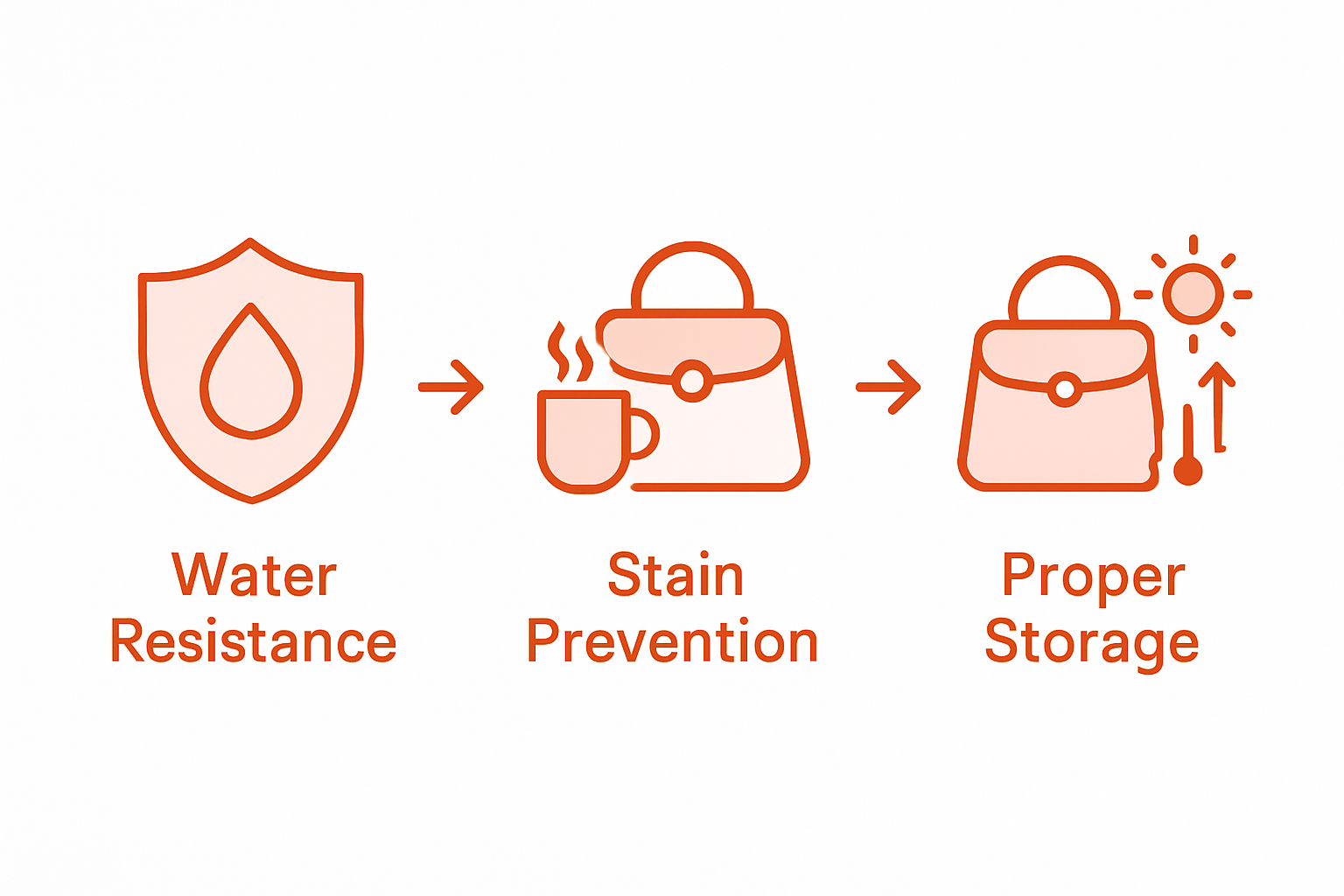
Pro Tip: Protective Maintenance Strategy: Create a dedicated storage area with consistent temperature and humidity levels, using soft, breathable dust covers to shield your leather bag from environmental stressors when not in active use.
Common Mistakes To Avoid With Leather Care
Leather maintenance requires precision and understanding, with many well-intentioned owners inadvertently causing significant damage through common misconceptions. Extensive research publications highlight the nuanced approaches necessary for preserving leather’s exceptional qualities.
Inappropriate cleaning techniques represent one of the most frequent errors in leather care. Owners often mistakenly use household cleaning products, harsh chemicals, or abrasive materials that strip away natural oils and compromise leather’s delicate molecular structure. Professional leather specialists strongly caution against using alcohol-based cleaners, bleach, or generic all-purpose solutions that can permanently damage the leather’s protective layer, causing irreversible discolouration and structural weakening.
Improper storage practices frequently contribute to leather degradation, with many individuals failing to understand the critical environmental factors affecting leather’s longevity. Exposing leather handbags to direct sunlight, extreme temperatures, or high-humidity environments can cause significant structural damage, leading to cracking, fading, and material breakdown. Storing leather accessories in plastic bags or non-breathable containers prevents natural air circulation, trapping moisture and potentially promoting mould growth, which can rapidly deteriorate the leather’s integrity.
Conditioning mistakes also pose substantial risks to leather’s preservation. Overwrought application of leather conditioners can oversaturate the material, creating a heavy, greasy surface that attracts dirt and prevents natural breathability. Conversely, infrequent conditioning leaves leather vulnerable to environmental stress, causing premature ageing and structural compromise. The key lies in understanding each leather type’s unique requirements and applying treatments with surgical precision and measured restraint.
For quick reference, here are common mistakes in leather bag care and their better alternatives:
| Common Mistake | Negative Impact | Recommended Alternative |
|---|---|---|
| Using harsh cleaners | Strips oils, causes discolouration | Use specialist leather cleaners |
| Storing in plastic | Traps moisture, encourages mould | Use breathable dust bags or cloth |
| Over-conditioning | Leads to greasy surface | Apply thin, even conditioner layer |
| Ignoring environment | Causes cracking or fading | Store at stable temperature, humidity |
Pro Tip: Preservation Wisdom: Always perform a discreet patch test with any new leather care product on an inconspicuous area, and allow sufficient time to observe potential adverse reactions before full application.
Preserve Your Timeless Leather with Authentic Italian Craftsmanship
Caring for luxury leather bags demands expertise and respect for the unique qualities of premium full-grain leather and traditional treatment methods. If you seek to maintain the natural patina, durability and elegance of your handbag while avoiding common mistakes such as improper cleaning or inadequate conditioning, exploring artisanal solutions is essential. San Rocco Italia offers a curated selection of Italian handbags crafted by skilled artisans who understand leather’s molecular intricacies and employ time-honoured techniques to guarantee lasting beauty.
Discover the difference true craftsmanship makes by choosing from our exclusive collection of handbags and leather goods made in Italy. Act now to invest in accessories that not only embody enduring style but are also designed to age gracefully through careful material selection and expert construction. Begin your journey to preserving timeless beauty and unparalleled quality with San Rocco Italia. Learn more about the heritage and commitment behind our collections by visiting our website today.
Frequently Asked Questions
What are the main methods of treating leather bags?
The primary treatment methods include surface protection, deep conditioning, professional cleaning, and strategic repair. These techniques help shield leather from moisture, replenish natural oils, clean without damage, and fix minor imperfections.
How can I properly clean and condition my leather handbag?
To clean, use a soft, lint-free cloth to remove dust and debris, and apply a specialised leather cleaner. For conditioning, use high-quality leather conditioners sparingly, applying in circular motions for even absorption without oversaturation.
What types of leather are commonly used in handbags, and how do they differ?
Common types include full-grain leather, known for its durability and unique patina; top-grain leather, which has a smoother texture; genuine leather, a lower-quality option; split leather, which is thinner; and exotic leathers like ostrich or python, known for their unique patterns.
What common mistakes should I avoid when caring for leather bags?
Avoid using harsh household cleaners, storing leather in non-breathable bags, over-conditioning, and ignoring environmental factors. Instead, use specialised products, breathable covers, apply conditioners sparingly, and store your leather handbag in stable conditions.



