


Italian decor style guide for timeless elegance
Many believe Italian decor is simply rustic farmhouses or ornate baroque excess. The truth is far more nuanced and precise. Authentic Italian style follows five core principles that blend heritage craftsmanship with modern sustainability, creating spaces that feel both luxurious and lived in. Whether you’re drawn to Tuscan warmth or Milanese minimalism, understanding these foundational elements helps you curate a home that embodies timeless elegance. This guide reveals the real essence of Italian design and shows you exactly how to apply it.
Table of Contents
- Key takeaways
- The five core principles of Italian decor style
- Understanding style variations and sustainable craftsmanship
- Applying the Italian decor style in your home
- Why choose authentic Italian craftsmanship for your décor?
- Explore authentic Italian decor and craftsmanship
- Frequently asked questions
Key Takeaways
| Point | Details |
|---|---|
| Modular proportion | Italian designers use standardised measurements such as 300mm, 450mm and 600mm modules to create balance where furniture, architecture and accessories relate proportionally. |
| Material honesty | Authentic Italian style celebrates materials as they are with walnut grain, marble veining and linen texture clearly visible, rejecting veneers and synthetics. |
| Continuity of planes | Visual flow is achieved by aligning surfaces and edges so cabinet tops align with windowsills and shelving heights echo door frames. |
| Tactile layering | Depth comes from combining different textures rather than stacking objects, inviting touch and making spaces feel lived in. |
| Precision joinery | Millimetre perfect joins create seamless integration where furniture meets walls and between materials, reflecting skilled Italian craftsmanship rather than mass production. |
The five core principles of Italian decor style
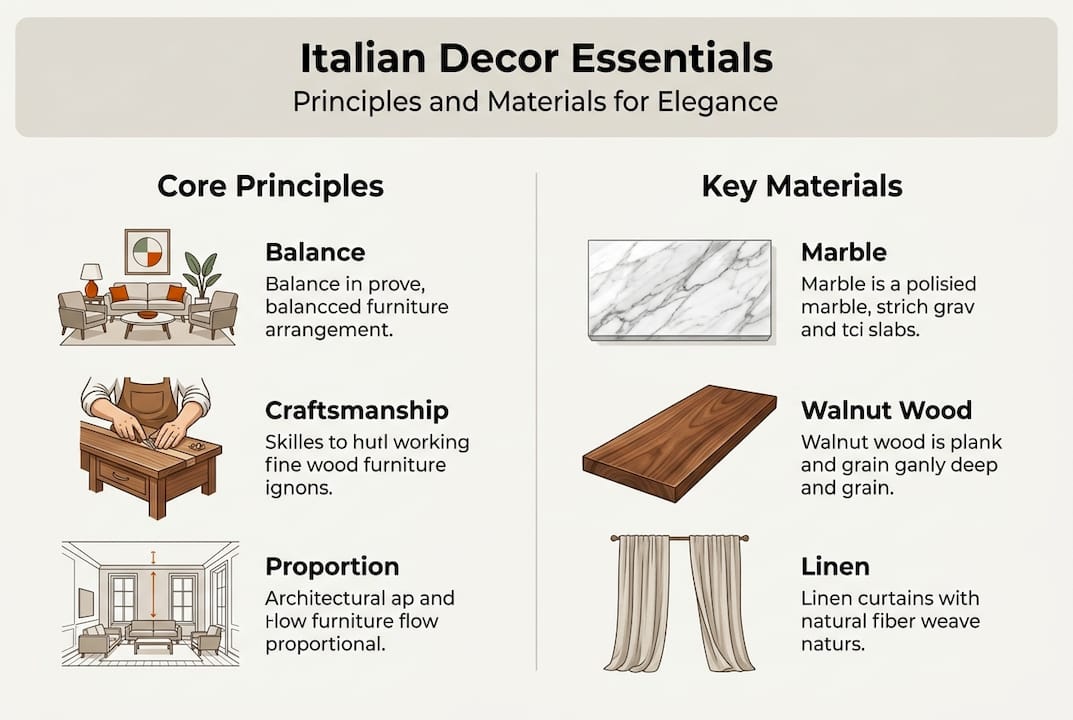
Italian decor style is defined by five core principles: precise proportion using modular grids, material honesty, continuity of planes, tactile depth, and precision joinery. These aren’t arbitrary design choices but deliberate strategies that create visual harmony and lasting quality. Understanding each principle transforms how you approach every decorating decision.
-
Modular proportion: Italian designers use standardised measurements like 300mm, 450mm, and 600mm modules to create balance. This grid system ensures furniture, architecture, and accessories relate to each other proportionally. When a console is 900mm wide and positioned 450mm from a wall, the space feels intentionally composed rather than randomly arranged.
-
Material honesty: Authentic Italian style celebrates what materials actually are. Walnut shows its grain. Marble displays its veining. Linen reveals its texture. This principle rejects veneers, laminates, and synthetics that pretend to be something else. The result is spaces that feel genuine and improve with age.
-
Continuity of planes: Italian interiors create visual flow by aligning surfaces and edges. Cabinet tops align with windowsills. Shelving heights echo door frames. This attention to horizontal and vertical continuity makes rooms feel larger and more cohesive, even when mixing styles or periods.
-
Tactile layering: Depth comes from combining materials with different textures, not from adding more objects. A smooth marble table beside a nubby linen sofa creates sensory interest. The contrast invites touch and engagement, making spaces feel lived in rather than staged.
-
Precision joinery: Italian craftsmanship demands millimetre-perfect joins where furniture meets walls or where different materials connect. This technical excellence creates seamless integration that looks effortless but requires exceptional skill. It’s what separates mass-produced furniture from traditional Italian artisans craftsmanship.
Pro Tip: When selecting furniture, check how drawer fronts align and how cabinet doors meet their frames. Gaps wider than 2mm signal rushed production rather than careful craftsmanship. Quality Italian pieces maintain tight tolerances that ensure smooth operation for decades.
These principles work together to create the distinctive quality that makes Italian interiors recognisable worldwide. They’re not about copying a specific look but understanding the underlying logic that produces timeless spaces.
Understanding style variations and sustainable craftsmanship
Italian decor encompasses distinct regional aesthetics, each expressing the five core principles differently. Classic Tuscan style is rustic and earthy whilst Milanese favours precise minimalism; sustainable choices favour natural wood over plastics. Understanding these variations helps you identify which resonates with your personal aesthetic whilst maintaining authentic Italian character.
| Style | Colour palette | Key materials | Aesthetic focus |
|---|---|---|---|
| Tuscan rustic | Warm terracotta, ochre, olive | Reclaimed wood, terracotta, wrought iron | Textured warmth, lived-in patina |
| Milanese minimalist | Neutral greys, whites, black accents | Polished marble, lacquered wood, steel | Clean lines, precise proportion |
| Venetian opulent | Rich jewel tones, gold accents | Murano glass, silk, ornate wood | Layered luxury, artisanal detail |
| Roman classical | Stone greys, cream, bronze | Travertine, aged brass, linen | Architectural presence, timeless simplicity |
Sustainability in Italian design isn’t a modern addition but an inherent quality of Italian craftsmanship complete guide. Artisans have always prioritised materials that last and improve with age. This approach naturally reduces environmental impact whilst creating pieces that become family heirlooms rather than landfill contributions.
Sustainable material choices in authentic Italian decor include:
- Solid hardwoods like walnut, oak, and chestnut that develop rich patina over decades
- Natural stone including marble, travertine, and limestone quarried with traditional methods
- Vegetable-tanned leather that ages beautifully without harsh chemical processes
- Linen, wool, and cotton textiles woven using heritage techniques
- Hand-blown glass that requires no synthetic compounds or mass production
These materials share common qualities: they’re renewable or abundant, require minimal processing, and improve aesthetically as they age. A walnut table darkens and deepens. Marble develops subtle wear patterns. Linen softens. This natural ageing process, called patina, is central to Italian design philosophy.
Artisanal production methods further enhance sustainability. Small workshops use hand tools and traditional techniques that consume far less energy than factory production. Each piece receives individual attention, ensuring quality that eliminates the need for replacement. This is crafting luxury the art of Italian craftsmanship in practice.
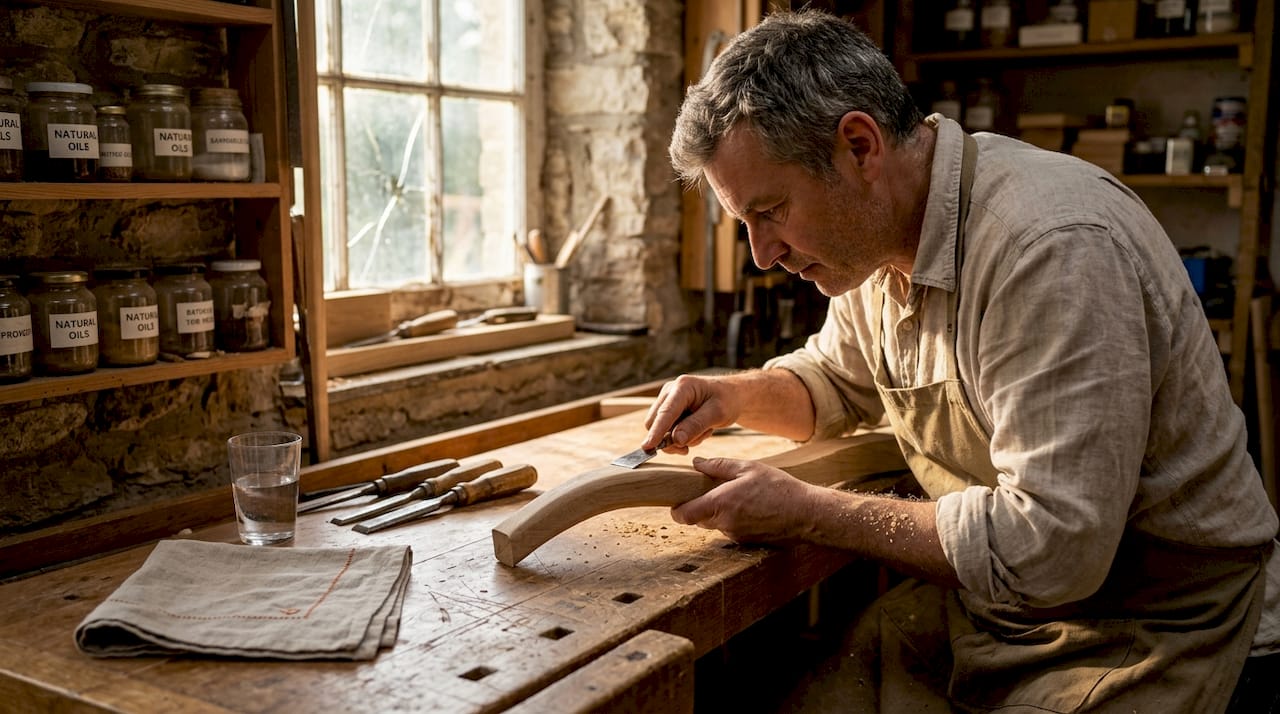
Pro Tip: When evaluating decor pieces, ask about the finish. Natural oils and waxes can be refreshed at home, extending life indefinitely. Synthetic finishes often can’t be repaired, forcing eventual disposal. This single detail reveals whether a piece embraces Italian sustainable principles or just mimics the aesthetic.
The marriage of regional style variations with sustainable craftsmanship creates Italian decor’s distinctive character. Whether you prefer Tuscan warmth or Milanese precision, authentic pieces share a commitment to materials and methods that honour both heritage and environmental responsibility.
Applying the Italian decor style in your home
Start with walnut and marble palettes, layer textures sparingly, and integrate plants for well-being and timeless elegance. The key is intentional curation rather than accumulation. Each element should serve a clear purpose, either functional or aesthetic, whilst contributing to the overall sensory experience.
Your material palette forms the foundation. Italian interiors typically centre on three to five primary materials that repeat throughout the space:
- Walnut or oak for furniture and architectural details
- Marble or travertine for surfaces and accents
- Linen or wool for soft furnishings
- Brass or bronze for hardware and lighting
- Terracotta or ceramic for decorative elements
This limited palette creates cohesion whilst the varied textures within each material category provide visual interest. A walnut dining table, walnut shelving, and walnut picture frames create rhythm without monotony because the grain patterns differ.
Texture layering requires restraint. Italian style achieves depth through contrast, not quantity. Place a nubby wool throw on a smooth leather sofa. Position a rough ceramic vase on a polished marble console. Each pairing creates a tactile moment that invites engagement. Three well-chosen textural contrasts outperform a dozen random elements.
| Material | Sustainability rating | Patina development | Maintenance requirement | Typical lifespan |
|---|---|---|---|---|
| Solid walnut | Excellent | Rich darkening over decades | Oil annually | 100+ years |
| Carrara marble | Very good | Subtle etching and softening | Seal every 2 years | 50+ years |
| Vegetable-tanned leather | Excellent | Deepens and softens | Condition quarterly | 30+ years |
| Linen textiles | Good | Softens beautifully | Wash as needed | 20+ years |
| Hand-blown glass | Excellent | Minimal change | Dust regularly | Indefinite |
Biophilic elements connect Italian interiors to their Mediterranean heritage. Plants aren’t mere decoration but essential components that improve air quality and psychological well-being. Focus on species that thrive in your light conditions rather than forcing unsuitable varieties:
- Fiddle-leaf figs or olive trees for bright spaces with architectural presence
- Pothos or philodendron for lower light areas with cascading form
- Herbs like rosemary and basil for kitchens, adding fragrance and function
- Succulents in terracotta for sunny windowsills with minimal maintenance
Position plants to emphasise architectural features. A tall fiddle-leaf fig beside a window draws the eye upward. Trailing pothos on a high shelf creates vertical interest. The goal is integration, not addition.
Practical steps for curating your Italian-inspired space:
- Audit existing pieces for material authenticity and craftsmanship quality
- Remove items that don’t meet the material honesty principle
- Identify one anchor piece (table, sofa, or cabinet) that embodies Italian craftsmanship
- Build your palette around that anchor’s materials and proportions
- Add texture through textiles and accessories, limiting yourself to three new pieces initially
- Evaluate each addition by asking whether it adds genuine value or merely fills space
This approach prevents the common mistake of buying too much too quickly. Italian home decor trends guide principles favour slow, intentional curation over rapid transformation.
Pro Tip: Create a “maybe” box for decorative items you’re unsure about. Store them for three months. If you haven’t missed them or thought about them, they weren’t serving a real purpose. This exercise reveals the difference between meaningful pieces and visual clutter, helping you achieve the edited elegance Italian style requires.
The minimalist home decorating ideas 7 approach aligns perfectly with Italian principles. Both philosophies prioritise quality over quantity, creating spaces that feel calm yet characterful. The result is a home that ages gracefully, with each piece earning its place through beauty, function, or both.
Why choose authentic Italian craftsmanship for your décor?
Women 35-55 seeking timeless elegance prioritise artisanal Made in Italy pieces with sustainable materials blending heritage and modernity. This demographic recognises that authentic craftsmanship represents value beyond initial cost. A well-made Italian piece functions as both practical object and long-term investment, often appreciating in value whilst mass-produced alternatives depreciate immediately.
The Made in Italy designation carries specific meaning. It indicates production by skilled artisans using traditional techniques passed through generations. These craftspeople serve apprenticeships lasting years, mastering joinery, finishing, and material selection. Their expertise ensures each piece meets exacting standards that machines cannot replicate.
Benefits of choosing authentic Italian craftsmanship:
- Exceptional durability from solid construction and quality materials that outlast alternatives by decades
- Natural patina development that enhances beauty over time rather than showing wear
- Sustainable sourcing and production methods with minimal environmental impact
- Unique artistry where subtle variations prove human hands created each piece
- Heritage connection to centuries of design evolution and cultural tradition
- Repair and restoration potential that extends lifespan indefinitely
These advantages compound over time. A mass-produced cabinet might cost half the price of an Italian artisan piece initially, but require replacement within a decade. The Italian piece serves multiple generations, making it significantly more economical long term. This calculation doesn’t even account for the daily pleasure of living with beautiful, well-made objects.
Choosing artisanal Italian pieces isn’t about status or trends. It’s about embracing la dolce vita through objects that bring daily joy, improve with age, and connect your home to centuries of design excellence. Each piece tells a story of skilled hands, sustainable materials, and timeless principles that transcend passing fashions.
Authenticity verification requires attention to specific details. Genuine Italian craftsmanship displays characteristics that mass production cannot fake. Examine joinery closely. Dovetail joints should fit tightly with no gaps. Drawer sides should be solid wood, not plywood. Finishes should feel smooth but show subtle tool marks that prove hand work.
Provenance documentation matters. Reputable makers provide certificates identifying the workshop, artisan, and materials used. This transparency distinguishes authentic pieces from items merely labelled “Italian style” but produced elsewhere using industrial methods.
Understanding why choose made in Italy goes beyond nationalism or marketing. It’s about recognising that certain regions developed specific expertise over centuries. Italian leather workers, woodworkers, and glass blowers refined techniques that produce demonstrably superior results. Choosing their work supports sustainable practices and preserves cultural heritage.
The difference between Made in Italy and Product of Italy significantly impacts quality and authenticity. Made in Italy vs product of Italy explains how the former requires substantial production in Italy by Italian artisans, whilst the latter may involve minimal Italian involvement. This distinction matters when investing in pieces meant to last.
Authentic Italian craftsmanship integrates seamlessly with the architectural precision and material honesty discussed earlier. These aren’t separate concepts but interconnected elements of a unified design philosophy. When you choose artisan-made pieces, you’re not just buying furniture or accessories. You’re investing in objects that embody centuries of accumulated knowledge about proportion, materials, and sustainable beauty.
Explore authentic Italian decor and craftsmanship
Ready to bring these principles into your home? San Rocco Italia collection offers carefully curated pieces that embody the timeless elegance and sustainable craftsmanship explored throughout this guide. Each item is selected for its authentic Italian heritage, quality materials, and artisanal production methods.

Our collection features handcrafted accessories and home décor created by skilled Italian artisans using traditional techniques. From vegetable-tanned leather goods to hand-blown glass, every piece demonstrates the material honesty and precision joinery that define authentic Italian style. These aren’t mass-produced replicas but genuine artisan work that develops beautiful patina over time.
Explore Italian home decor trends guide to discover how current offerings reflect both heritage principles and contemporary sensibilities. Learn more about the makers behind our collection through traditional Italian artisans craftsmanship stories that reveal the dedication and skill invested in each piece.
Frequently asked questions
What materials define authentic Italian decor?
Natural woods like walnut and oak, marble, travertine, and quality stone form the foundation of authentic Italian interiors. These materials offer exceptional durability whilst developing rich patina that enhances beauty over decades. Vegetable-tanned leather, linen, and hand-blown glass complete the palette, chosen for longevity and sustainable sourcing.
How does Italian design combine sustainability with elegance?
Italian craftspeople have always prioritised materials and methods that last generations, making sustainability inherent rather than added. Solid hardwoods, natural stone, and traditional production techniques require minimal processing and energy. These choices create timeless pieces that never need replacement, dramatically reducing environmental impact whilst maintaining exceptional beauty.
What is modular proportion, and why is it important?
Modular proportion uses standardised measurements like 300mm, 450mm, and 600mm to create visual harmony between furniture, architecture, and accessories. This grid system ensures elements relate proportionally, making spaces feel intentionally composed. When furniture dimensions and placement follow modular principles, rooms achieve balance that feels effortless and cohesive.
How can I spot authentic Made in Italy decor items?
Examine joinery for millimetre-perfect fits with no gaps wider than 2mm. Check that drawer sides and structural elements use solid wood rather than plywood or particle board. Request provenance documentation identifying the workshop and artisan. Look for understanding why choose made in Italy certifications and choose sellers with transparent heritage guarantees and detailed maker information.
