


Original Leather: Recognising Authentic Quality
Choosing a handbag crafted from authentic Italian leather should feel like a celebration, yet too often it becomes a test of knowledge and eye for detail. With the popularity of luxury accessories soaring across Central Europe, discerning true quality has never been more important—or more confusing. This guide reveals how to confidently distinguish original leather from clever imitations, so you invest only in the genuine artistry and heritage your wardrobe deserves. Understanding what makes leather “original” is the first step towards lasting style.
Table of Contents
- Defining Original Leather And Common Myths
- Types Of Leather Used In Luxury Goods
- Distinctive Signs Of Authentic Italian Craftsmanship
- Tests And Sensory Cues For Genuine Leather
- Mistakes To Avoid When Evaluating Leather
Key Takeaways
| Point | Details |
|---|---|
| Understanding Genuine Leather | Original leather is animal skin treated through tanning, differing from synthetic materials that only mimic its appearance. |
| Types of Leather | Full-grain leather is of the highest quality, while split and bonded leather are lower tiers with inferior durability. |
| Myths Debunked | Real leather may show natural imperfections, requires maintenance, and its thickness does not always indicate quality. |
| Evaluating Leather | Engage multiple senses when assessing leather quality; do not rely solely on visual inspection or brand reputation. |
Defining Original Leather And Common Myths
Original leather is simply animal skin that has been chemically treated through tanning to become durable, flexible, and suitable for crafting luxury goods. This distinction matters because not all leather products contain actual leather.
Understanding what makes leather “original” starts with recognising the fundamental difference between genuine animal hide and synthetic substitutes. The tanning process—the chemical treatment of raw hides—transforms skin into the material you recognise in quality handbags, belts, and accessories.
What Actually Happens During Tanning
Tanning agents work chemically to stabilise the protein structure in animal hides, preventing decay and creating flexibility. Different tanning methods produce different characteristics, finishes, and durability levels in the final leather.
Traditional methods like vegetable tanning create leather that ages beautifully, developing a rich patina over time. Chrome tanning, a more modern approach, produces leather that’s easier to colour and often more uniform in appearance.
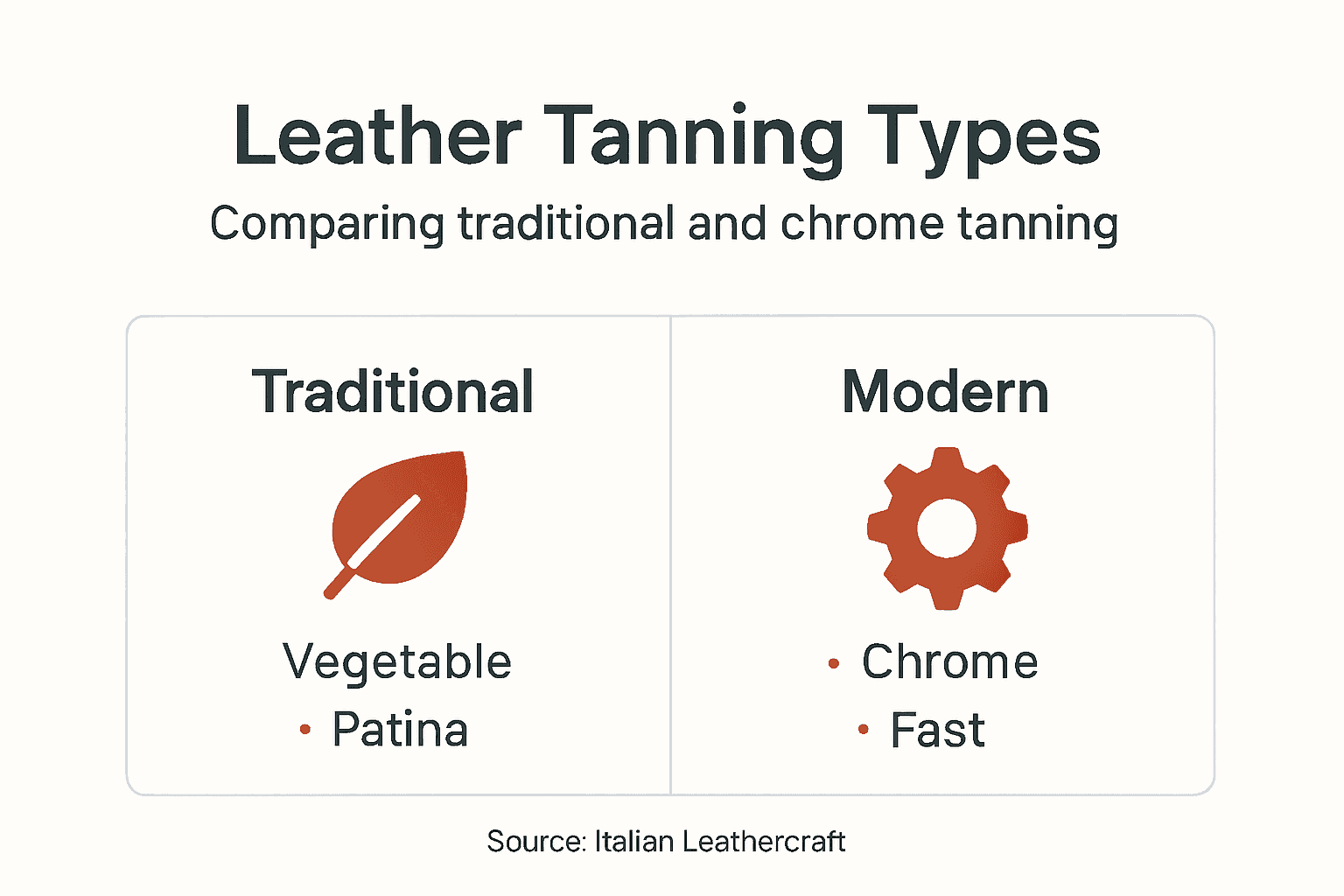
Both methods create authentic leather. The method simply affects how your bag behaves, looks, and develops character.
Common Myths About Original Leather
Misunderstandings about leather quality run deep. Let’s address the ones that genuinely mislead buyers:
-
“Real leather should be perfectly uniform.” Authentic leather from animal hides naturally shows variations—slight colour differences, texture variations, and surface marks. Perfect uniformity often signals synthetic substitutes mimicking leather appearance.
-
“Original leather never needs care.” High-quality leather requires maintenance. Genuine leather develops character through use but benefits from conditioning and protection against moisture and extreme temperatures.
-
“All leather feels soft immediately.” Tanning methods vary. Some leather starts stiff and softens with use; others feel supple from purchase. Neither approach determines authenticity—the tanning method simply dictates the journey.
-
“Leather smell proves authenticity.” Scent alone doesn’t confirm genuine leather. Synthetic materials can be treated to smell similar. However, genuine leather typically has an organic smell that fades with time, whilst synthetic odours persist.
-
“Thicker always means better.” Thickness doesn’t indicate quality. Italian artisans at San Rocco Italia carefully select leather weight based on the handbag’s intended use and design. A luxury clutch requires different leather weight than a daily tote.
Why Myths Exist
The proliferation of synthetic alternatives with deceiving marketing has created confusion. When manufacturers label synthetic materials as “pleather,” “vegan leather,” or “genuine alternatives,” consumers understandably struggle to distinguish actual leather from imitations.
The genuinely challenging distinction lies between different grades of real leather, not between leather and synthetics.
Authentic leather’s natural variations and imperfections are exactly what craftspeople value—they’re proof of a living material worked by skilled hands, not a factory mould.
Pro tip: When examining a potential purchase, feel the underside or edges where coating is minimal; genuine leather reveals its natural grain structure, whilst synthetic materials show consistent plastic-like backing throughout.
Types Of Leather Used In Luxury Goods
Not all leather is created equal. The type of leather used in your handbag determines its durability, appearance, and how it will age over time. Understanding these differences helps you make informed choices about quality and value.
Full-Grain Leather: The Gold Standard
Full-grain leather retains the entire surface of the hide, including all natural markings, grain patterns, and imperfections. This is the highest quality leather available for luxury goods.
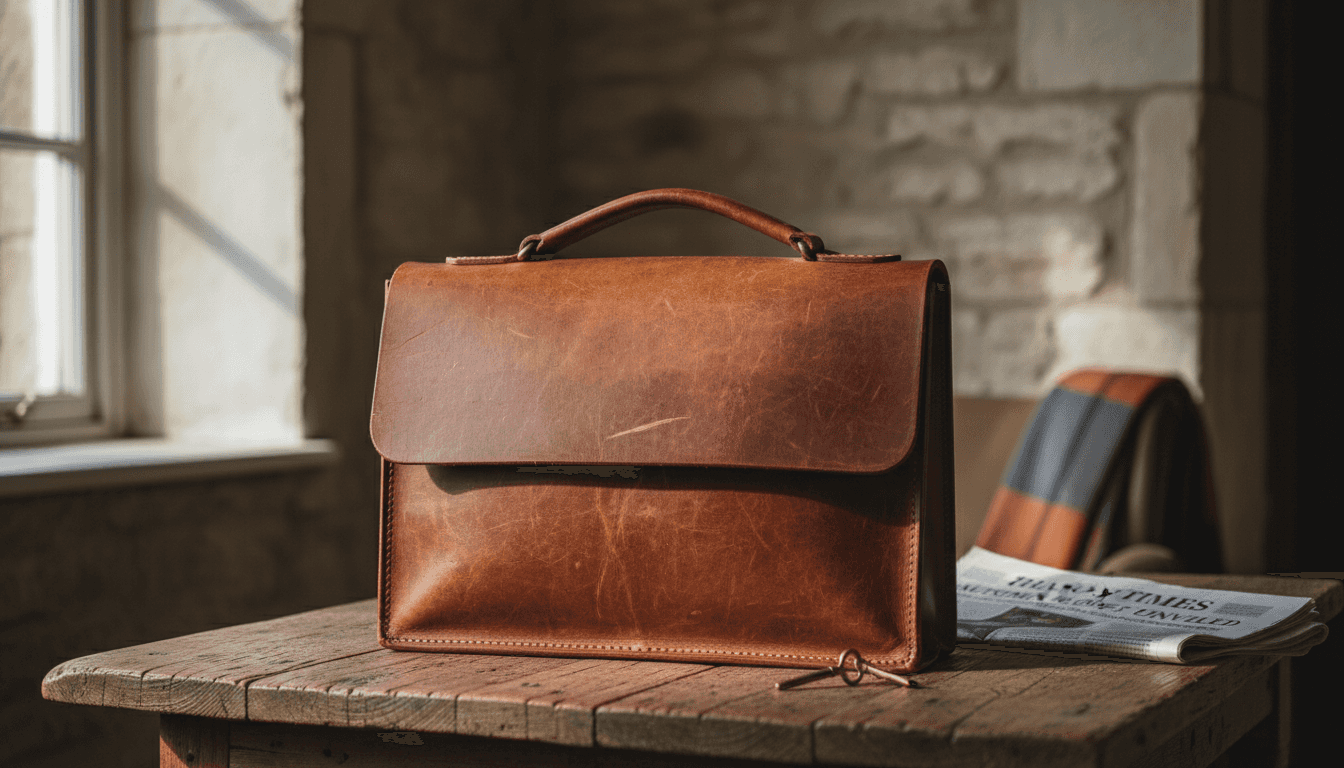
Full-grain leather develops character beautifully. Scratches and marks actually enhance its appearance, creating a unique patina that tells the story of your handbag’s journey. It’s breathable, durable, and becomes softer with use—qualities that justify premium pricing.
Italian artisans at San Rocco Italia prioritise full-grain leather for many of our pieces because it represents true craftsmanship and longevity.
Top-Grain Leather: Premium But Refined
Top-grain leather involves removing the outermost layer of the hide, then buffing and finishing the surface. This process creates a more uniform appearance whilst retaining quality.
Top-grain leather offers excellent durability with a more polished aesthetic than full-grain. It resists staining better and requires slightly less maintenance. The trade-off is reduced natural grain visibility and less dramatic ageing characteristics.
Top-grain leather bags offer a practical balance between luxury and wearability for those seeking refined appearance without compromising quality.
Split Leather And Bonded Leather: Lower Tiers
Split leather uses the fibrous part beneath the top layer. It’s thinner, less durable, and often coated heavily to appear more attractive than it actually is.
Bonded leather combines leather scraps with polyurethane—it’s technically leather, but minimal amounts mixed with synthetic materials. Both types deteriorate faster and resist daily wear poorly.
These materials appear in budget handbags because they’re significantly cheaper. However, they won’t develop the character of genuine full-grain or top-grain leather and tend to crack or peel within 2-3 years of regular use.
Exotic Leathers: Speciality Choices
Luxury goods sometimes feature python, crocodile, ostrich, or snake leather. These exotic hides offer distinctive textures and visual impact—patterns you simply cannot replicate with traditional cattle leather.
Exotic leathers command premium prices due to scarcity and specialised tanning requirements. They’re stunning but require specialist care and attention.
Understanding Leather Grades And Quality Distinctions
Within each leather type exists variation in quality. Full-grain, top-grain, and split leather classifications represent fundamental structural differences that affect durability, appearance, and aging potential significantly.
Quality also depends on the animal’s origin, the tanning method, and the final finishing treatments applied. Vegetable-tanned leather from European hides differs substantially from chrome-tanned leather from other sources.
To better understand the key differences between leather types used in handbags, refer to the table below:
| Leather Type | Surface Characteristics | Durability | Ageing Potential |
|---|---|---|---|
| Full-grain | Natural grain, visible markings | Highest, decades | Develops rich patina |
| Top-grain | Buffed, more uniform appearance | Excellent, years | Subtle colour change |
| Split leather | Artificial coating, thin structure | Moderate, few years | Minimal patina, cracks |
| Bonded leather | Smooth, synthetic mixed backing | Poor, very short-term | Does not age gracefully |
- Full-grain: Natural imperfections visible, develops patina, highest durability
- Top-grain: Uniform appearance, excellent durability, refined finish
- Split leather: Thin, heavily coated, poor longevity
- Bonded leather: Leather mixed with synthetics, lowest quality
The leather type you choose determines not just how your bag looks today, but how it will look in five years, ten years, and beyond.
Pro tip: When shopping, examine the bag’s underside or interior edges where finishing is minimal; this reveals the actual leather type and quality without cosmetic treatments obscuring the view.
Distinctive Signs Of Authentic Italian Craftsmanship
Italian leather craftsmanship carries centuries of heritage and expertise. When you purchase an Italian-made handbag, you’re investing in something shaped by generations of artisanal knowledge and rigorous standards that simply don’t exist in mass-produced alternatives.
The Vegetable Tanning Signature
Vegetable tanning is the hallmark of authentic Italian leather craft. This centuries-old method uses natural tannins from tree bark rather than chemical shortcuts, creating leather that ages beautifully and improves with time.
Vegetable-tanned leather develops a rich patina—colour deepens, the surface becomes more supple, and character emerges naturally. You’ll notice this particularly in Tuscan leather, where the tradition remains strongest and most rigorously protected.
Synthetic alternatives and lower-quality leather rely on chrome tanning because it’s faster and cheaper. Genuine Italian artisans choose vegetable tanning despite its slower pace because they value longevity over profit margins.
Hand-Cut And Hand-Stitched Details
Italian leatherworking traditions emphasise precise cutting and meticulous stitching executed by skilled hands, not machines. This distinction matters profoundly for quality and durability.
Hand-stitching creates stronger seams that last decades. Machine stitching follows rigid patterns; hand stitching allows artisans to adjust tension and spacing based on leather characteristics, creating superior holds.
Look for slightly irregular stitching—not sloppy, but genuinely made by hand. Perfect uniformity signals mass production masquerading as craftsmanship.
Visible Grain And Natural Imperfections
Authentic Italian leather showcases natural variation. You’ll see visible grain patterns, subtle colour shifts, and perhaps the occasional mark from the animal’s life. These aren’t flaws—they’re proof of authenticity.
Mass-produced leather receives heavy coating to appear uniform. Genuine Italian pieces celebrate the hide’s natural character, trusting that buyers understand quality’s true meaning.
Attention To Hardware And Finishing
Italian craftsmanship extends beyond leather. Hardware quality directly reflects overall construction standards. Look for:
- Solid metal fixtures (not cheap plating)
- Smooth operation of zips and clasps
- Logo placement that’s precise and properly attached
- Interior finishing that matches exterior quality
- Proper attachment methods, not glued components
The Weight And Feel
Authentic Italian leather handbags feel substantial. They possess genuine weight reflecting quality materials and careful construction, not the hollow feeling of synthetic-lined budget pieces.
Pick up a San Rocco Italia handbag and notice immediately how it feels different—substantial, considered, built to last rather than built to sell.
Production Timeline And Transparency
Genuine Italian artisans cannot produce thousands of identical bags monthly. Authentic workshops maintain slower, intentional production schedules reflecting the craft’s demands.
If a brand claims “Italian craftsmanship” whilst producing thousands of identical pieces yearly, question the reality. True artisanal production requires time and individual attention.
Authentic Italian craftsmanship isn’t about perfection—it’s about intentionality, quality materials, and artisans who stand behind their work across decades.
Pro tip: Request information about your handbag’s maker, tanning method, and production location; genuine Italian brands proudly share these details because transparency demonstrates confidence in their craftsmanship.
Tests And Sensory Cues For Genuine Leather
You don’t need laboratory equipment to recognise authentic leather. Your senses—smell, touch, sight, and even hearing—provide reliable indicators when you know what to look for. These simple tests work because genuine leather behaves fundamentally differently from synthetic alternatives.
The Smell Test
Genuine leather has a distinctive earthy, organic scent that develops from natural tanning agents used during production. This smell is unmistakable once you’ve experienced it—warm, slightly woody, genuinely pleasant.
Synthetic leather either smells like plastic or has been artificially scented to mimic leather. The key difference: genuine leather’s smell fades naturally over weeks and months as the hide breathes. Synthetic odours persist stubbornly.
When examining a handbag, smell the interior where the leather hasn’t been treated with finishes. This reveals the true character of the material.
The Touch And Feel Test
Authentic leather feels warm and supple to the touch, not cold and uniform like plastic. Run your fingers across the surface—you’ll notice natural grain variations, slight texture differences, and organic irregularity.
Synthetic leather feels consistent everywhere, smooth in an artificial way. It lacks the subtle variation that characterises living material.
Press your thumb into genuine leather and release it. Watch how the material recovers naturally, developing slight wrinkles that reflect its flexibility. Synthetic materials either don’t wrinkle at all or crease permanently.
The Flexibility And Bending Test
Genuine leather exhibits natural wrinkling and recovery when bent or flexed, responding supple yet resilient to pressure. Bend a corner of the handbag gently and observe the material’s behaviour.
Authentic leather creates organic fold lines and then gradually smooths again. Synthetic materials either remain stiff or show permanent creasing. The distinction becomes obvious with practice.
Visual Inspection: Grain And Texture
Look closely at the leather’s grain pattern. Genuine leather shows irregular, unique grain—no two areas look identical. This variability reflects the natural hide’s character.
Mass-produced synthetic materials display uniform patterns because they’re stamped from moulds. If the grain looks perfectly consistent across the entire bag, you’re likely examining imitation leather.
Professional Testing Methods
For serious purchases, consider professional assessment. Tear strength, abrasion resistance, and water penetration testing provide definitive confirmation of leather authenticity and quality level.
However, most consumers won’t need laboratory confirmation. Sensory tests suffice for distinguishing genuine from synthetic.
The Weight And Sound Test
Lift the handbag and notice its weight. Genuine leather possesses substantial heft reflecting dense material; synthetic alternatives feel hollow and lightweight.
Listen when you handle it. Authentic leather produces a soft, muted sound. Synthetics often create sharper, plastic-like sounds.
Below is a quick reference guide comparing key sensory tests for identifying genuine leather:
| Sensory Test | Genuine Leather Response | Synthetic Material Response |
|---|---|---|
| Smell | Earthy, organic, fades gently | Persistent, artificial scent |
| Touch | Warm, variable, supple | Cold, uniform, plastic-like |
| Flexibility | Wrinkles recover naturally | Stiff, creases stay |
| Weight | Solid, substantial feel | Light, hollow impression |
| Sound | Muted, soft handling noise | Sharp, artificial sound |
Genuine leather tells you secrets through every sense—its smell, weight, texture, flexibility, and sound all confirm its authenticity when you pay attention.
Pro tip: Perform these tests on items you already know are genuine leather first—a quality bag or jacket—so you develop sensory memory against which to compare unfamiliar pieces.
Mistakes To Avoid When Evaluating Leather
Evaluating leather quality requires diligence. Many buyers make common errors that lead to poor purchasing decisions or disappointment after purchase. Understanding these pitfalls helps you approach leather assessment with clarity and confidence.
Relying Solely On Visual Inspection
Visual inspection alone cannot confirm leather authenticity. Many high-quality synthetic materials now mimic leather’s appearance convincingly. Colour, surface finish, and even grain patterns can be replicated through manufacturing techniques.
You must engage multiple senses. Multiple test methods work together to verify leather authenticity rather than relying on appearance alone. Smell, touch, flexibility, and weight all contribute crucial information.
If you only look, you’ll miss essential signals that distinguish genuine leather from clever imitations.
Overlooking Natural Grain Variations
Natural grain differences aren’t flaws—they’re proof of authenticity. Some buyers mistakenly believe perfect uniformity indicates quality. This misunderstanding leads them toward synthetic alternatives that feature artificial consistency.
Genuine leather from Italian artisans shows variation because it comes from living animals, not factory moulds. Slight colour shifts, texture inconsistencies, and visible grain patterns confirm you’re examining real material.
Stop searching for perfection. Look instead for honest character reflecting authentic origins.
Confusing Finishes With Quality
Surface coatings don’t equal leather quality. Manufacturers apply protective finishes to many leather types—both high-quality and mediocre materials receive similar treatments.
Synthetic leather often features coatings designed to mimic genuine leather’s appearance and feel. The coating masks what lies beneath. Push past the surface by examining edges, interiors, and uncoated areas where truth reveals itself.
Trusting Brand Names Over Assessment
Brand reputation matters, but it shouldn’t replace personal evaluation. Counterfeit products bearing recognisable brand names exist everywhere. Conversely, lesser-known artisanal makers sometimes produce superior leather than famous manufacturers.
Evaluate each piece individually. Never assume quality based solely on the label attached to it.
Ignoring Maintenance And Care Requirements
Different leather types require different care approaches. Vegetable-tanned leather needs occasional conditioning. Chrome-tanned leather demands different maintenance. Exotic leathers require specialist treatment.
Failing to understand care needs leads to premature deterioration. A beautiful handbag becomes damaged within months because you applied unsuitable conditioning products or exposed it to inappropriate conditions.
Before purchasing, understand precisely what maintenance your chosen leather requires.
Common Evaluation Mistakes To Prevent
- Testing only one area of the bag (variations exist across hides)
- Accepting salesperson claims without personal verification
- Ignoring the interior finish (reveals true construction quality)
- Judging leather solely on initial softness (many genuine leathers start stiff)
- Neglecting to check stitching, hardware, and construction details
- Assuming all “Italian leather” meets identical quality standards
- Relying on scent alone (synthetics can be scented artificially)
Taking Time Over Rushed Decisions
Hasty purchases lead to regrettable mistakes. Quality assessment requires patience—handle the bag, smell it, flex it, examine edges, inspect interior construction, and compare across multiple examples when possible.
Rush decisions often result in purchases you later regret or products that disappoint over time.
Thorough, methodical evaluation prevents costly mistakes far more effectively than quick judgements or brand-name assumptions.
Pro tip: Before committing to purchase, handle several handbags from different makers and price points; this comparative experience trains your senses to recognise genuine quality characteristics instantly.
Discover Authentic Italian Leathercraft with San Rocco Italia
Recognising original leather and understanding the differences between genuine full-grain leather and synthetic substitutes can be challenging. If you seek the ultimate in luxury handbags that embody authentic quality, natural grain, and age beautifully over time you have come to the right place. At San Rocco Italia, our collection showcases Italian-made handbags crafted by skilled artisans using traditional vegetable tanning and premium full-grain leather, ensuring every piece tells a unique story through its natural variations and impeccable craftsmanship.
Experience the difference of true Italian craftsmanship today. Explore our exclusive range of luxury handbags and leather goods and choose pieces designed to last for decades rather than years. Don’t settle for synthetic imitations or low-grade leathers. Visit San Rocco Italia now to embrace timeless design, superior quality, and the authenticity that only original leather can provide.
Frequently Asked Questions
What is original leather?
Original leather refers to animal skin that has undergone the tanning process to become durable and suitable for crafting luxury goods. It is important to differentiate between genuine animal hide and synthetic alternatives.
How can I tell if leather is genuine?
You can identify genuine leather by performing multiple sensory tests, such as checking the smell (which should be earthy and organic), the touch (which should feel warm and supple), and observing the grain patterns (which should be irregular and unique).
What are the different types of leather used in luxury goods?
The main types of leather used in luxury goods include full-grain leather, which retains the entire surface of the hide; top-grain leather, which is buffed for a more uniform appearance; split leather, which is thinner and less durable; and bonded leather, which combines leather scraps with synthetic materials.
Why do some leather products require maintenance?
High-quality leather, particularly full-grain and top-grain, requires maintenance like conditioning to retain its appearance and longevity. This care is essential to protect against moisture, extreme temperatures, and to ensure that the leather ages beautifully over time.
Recommended
- Understanding How to Identify Authentic Leather – San Rocco Italia
- How to Spot Fake Leather: A Step-by-Step Guide – San Rocco Italia
- How to Spot Real Leather: A Step-by-Step Guide – San Rocco Italia
- Identifying Authentic Italian Leather: Complete Guide – San Rocco Italia
- Metodo Mezzanotte | How our artisanal spirits are born – Mezzanotte | Distilleria & Spirits
- Reputazione Del Lusso In Italia: Guida Essenziale • Gio Talente
