


Best women's leather purses 2026: timeless Italian craft
Finding a leather purse that truly reflects your refined taste requires more than browsing trendy collections. Discerning women seek pieces combining exceptional Italian craftsmanship, ethical sourcing, and materials that age beautifully. This guide reveals the essential criteria for selecting artisanal leather purses and showcases Florence’s finest makers, helping you invest in timeless quality that aligns with your values.
Table of Contents
- How To Choose The Best Women’s Leather Purse
- Top Artisanal Italian Leather Purses In 2026
- Vegetable-Tanned Vs Chrome-Tanned Leather: What Affluent Buyers Should Know
- Comparing Top Italian Women’s Leather Purses: Features And Ethics
- Explore San Rocco Italia’s Curated Collection Of Artisanal Leather Purses
- Frequently Asked Questions
Key takeaways
| Point | Details |
|---|---|
| Italian artisanal purses deliver superior quality | Full-grain Italian leather and handmade techniques ensure longevity and prestige |
| Vegetable tanning offers unique benefits | Natural patina development and eco-friendly processing distinguish premium purses |
| Florence leads ethical leather production | Complete supply chains blend centuries-old tradition with contemporary design |
| Tanning methods reveal sustainability | Understanding vegetable versus chrome tanning guides informed, values-based choices |
| Selection balances multiple factors | Material quality, craftsmanship heritage, and ethical sourcing together define excellence |
How to choose the best women’s leather purse
Selecting a premium leather purse demands understanding five critical factors that separate exceptional pieces from ordinary options. Material quality forms the foundation of any worthwhile investment.
Opt for 100% Italian leather whenever possible. Italian tanneries maintain rigorous quality standards, producing supple yet durable hides that develop character over decades. Full-grain leather, the highest grade, retains the hide’s natural surface and strengthens with age.
The tanning process profoundly impacts both aesthetics and environmental footprint. Vegetable tanning creates biodegradable products with distinctive natural patina, though the months-long process requires patience and expertise. This traditional method uses tree bark extracts, resulting in leather that darkens beautifully and carries a subtle earthy aroma. Chrome tanning works faster, producing softer leather in varied colours, but uses chemicals that compromise biodegradability.
Craftsmanship separates true artisanal work from factory production. Examine stitching quality, edge finishing, and hardware attachment. Florentine artisans employ time-honoured hand techniques, creating pieces where every detail reflects skill honed over generations. Look for subtle imperfections that signal human touch rather than machine precision.
Ethical sourcing matters increasingly to sophisticated consumers who recognise luxury and responsibility coexist. Transparency about leather origins and tanning practices indicates a maker’s commitment to sustainable methods. Reputable Italian workshops document their supply chains, ensuring hides come from certified sources.
Style longevity completes the evaluation. Classic silhouettes transcend seasonal trends, making your investment relevant for years. Consider these essential features:
- Clean lines and minimal embellishment that suit multiple occasions
- Versatile neutral tones that complement diverse wardrobes
- Practical size balancing everyday utility with elegant proportions
- Quality hardware in timeless finishes like brushed gold or antique brass
Pro tip: Request leather samples before purchasing high-value pieces. Genuine artisans willingly share material swatches, allowing you to assess texture, weight, and aroma firsthand.
Understanding these criteria prepares you to evaluate specific makers who exemplify Italian excellence. Essential tips for choosing well-made leather handbags provide additional guidance for discerning buyers.
Top artisanal Italian leather purses in 2026
Florence’s leather industry combines traditional methods with contemporary design, maintaining complete production chains within the region. This integration ensures quality control at every stage, from tanning to final assembly.
Jenny & Co exemplifies this approach, using exclusively Italian leather whilst balancing handmade authenticity with efficient production. Their crossbody designs feature vegetable-tanned leather that develops rich honey tones over time. Each piece undergoes meticulous hand-finishing, with edges burnished to a smooth lustre.
Il Bisonte stands as Florence’s heritage benchmark, crafting structured purses since 1970. Their signature cowhide carries the distinctive natural markings that verify authentic full-grain leather. Traditional vegetable tanning creates firm yet supple material perfect for architectural shapes that maintain form beautifully.
Micucci represents the intersection of classic technique and modern minimalism. Their totes and shoulder bags employ innovative pattern-cutting that reduces waste whilst creating clean contemporary lines. Vegetable-tanned Tuscan leather provides the foundation, enhanced by hand-painted edges and solid brass fittings.
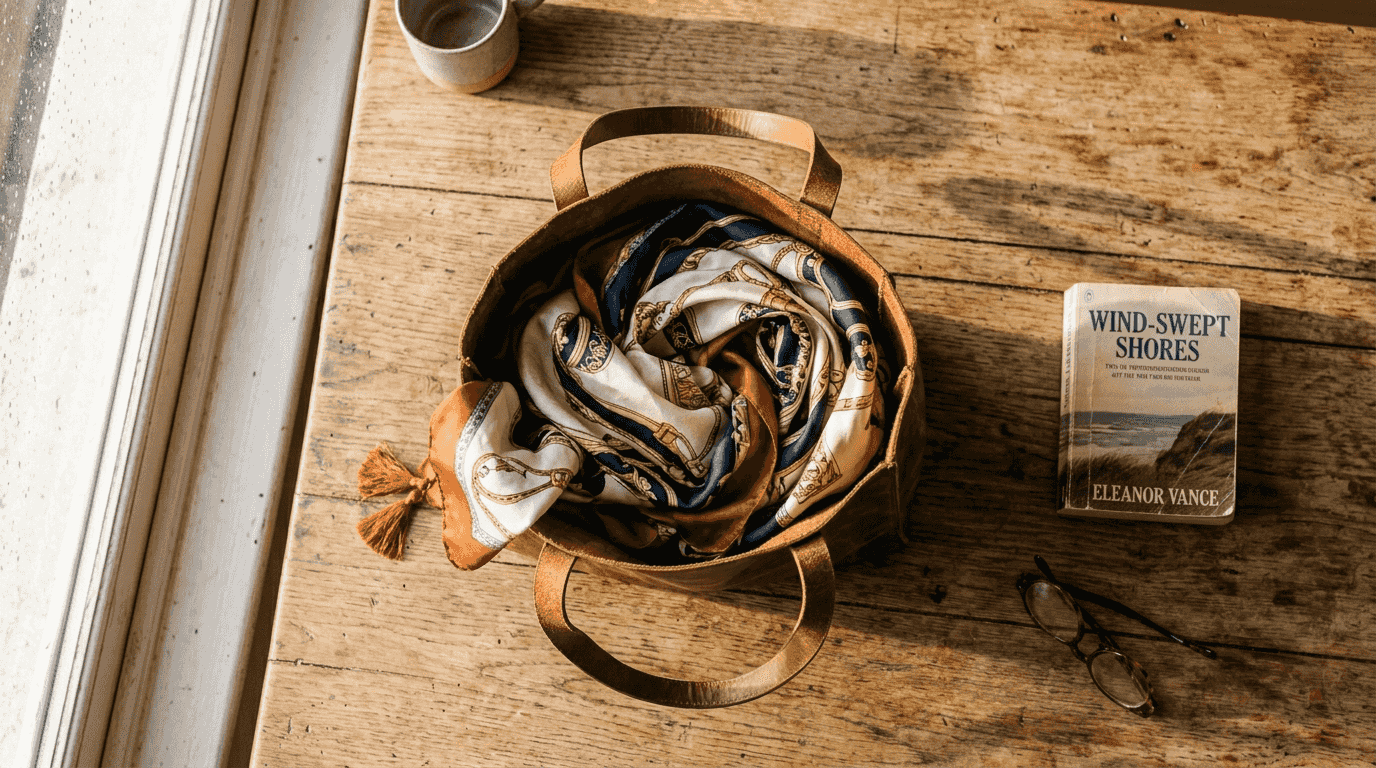
Peruzzi brings centuries of family expertise to compact purse designs ideal for urban sophistication. Their focus on smaller formats doesn’t compromise craftsmanship. Each clasp receives individual adjustment, ensuring perfect closure tension that lasts decades.
These Florentine makers share key strengths:
- Documented leather provenance from certified Italian tanneries
- Predominant use of vegetable tanning for environmental benefits
- Handmade construction details including stitching and edge treatment
- Design philosophy balancing heritage shapes with current proportions
- Transparent pricing that reflects genuine material and labour costs
Modern influences appear subtly in colour palettes extending beyond traditional browns. Dusty rose, slate grey, and deep forest green offer contemporary options whilst maintaining the timeless quality vegetable-tanned leather demands. Top Italian leather bags comparison explores additional premium options worth considering.
Vegetable-tanned vs chrome-tanned leather: what affluent buyers should know
Understanding tanning methods empowers informed choices aligned with your aesthetic and ethical priorities. The process fundamentally alters leather characteristics beyond simple finishing.
Chrome tanning dominates commercial production, accounting for 80% of leather worldwide. Chromium salts penetrate hides in as little as 24 hours, creating soft, pliable material ready for dyeing in virtually any colour. This efficiency reduces costs substantially. The resulting leather resists water and stains effectively, requiring minimal maintenance.
Vegetable tanning demands patience. The process spans one to three months, using tannin-rich tree bark in successive baths that gradually transform rawhide. This slow saturation creates firm leather with distinctive character. Initial stiffness yields to supple flexibility through use, whilst the surface develops a lustrous patina reflecting your handling patterns.
Environmental impacts differ markedly. Vegetable tanning produces biodegradable leather that returns to soil naturally. Traditional methods avoid toxic chemicals, though water and energy consumption remain substantial. Chrome tanning introduces heavy metals requiring careful disposal, and the leather never fully biodegrades. However, modern chrome tanneries increasingly adopt closed-loop systems that recycle chemicals and water.
Durability and ageing present contrasts:
- Chrome-tanned leather maintains consistent appearance and softness indefinitely
- Vegetable-tanned pieces transform beautifully, darkening and developing unique surface character
- Water exposure damages vegetable-tanned leather more readily without proper treatment
- Chrome-tanned options resist environmental stress with minimal care
| Feature | Vegetable tanning | Chrome tanning |
|---|---|---|
| Processing time | 1-3 months | 24 hours |
| Environmental impact | Biodegradable, chemical-free | Requires careful disposal |
| Texture | Firm, develops patina | Soft, consistent |
| Colour options | Natural tones | Unlimited palette |
| Maintenance | Regular conditioning needed | Minimal care required |
| Price point | Premium | Moderate |
Pro tip: Smell the leather. Vegetable-tanned pieces carry a subtle earthy aroma, whilst chrome-tanned leather often has a faint chemical scent when new. This simple test reveals processing methods instantly.
Best leather for handbags examines additional material considerations for luxury pieces.
Comparing top Italian women’s leather purses: features and ethics
Direct comparison clarifies how leading artisanal purses balance craftsmanship, materials, and values. Premium Italian pieces command higher prices reflecting genuine quality and skilled labour.
| Brand | Leather type | Tanning method | Craftsmanship | Price range | Standout feature |
|---|---|---|---|---|---|
| Jenny & Co | Full-grain Italian cowhide | Vegetable | Hand-finished edges | £280-£450 | Efficient artisanal production |
| Il Bisonte | Natural cowhide | Vegetable | Traditional Florentine | £350-£600 | Heritage structured shapes |
| Micucci | Tuscan cowhide | Vegetable | Hand-painted edges | £320-£520 | Modern minimalist design |
| Peruzzi | Premium calfskin | Vegetable | Individual clasp fitting | £400-£650 | Compact refined formats |
Key strengths per maker:
- Jenny & Co: Accessible pricing without compromising Italian leather quality or ethical production
- Il Bisonte: Proven longevity with pieces functioning beautifully after 20+ years
- Micucci: Contemporary aesthetics appeal to younger affluent buyers seeking classic investment
- Peruzzi: Ultimate attention to mechanical details ensures flawless functionality
Consider trade-offs carefully. Jenny & Co offers excellent value for authentic Italian craftsmanship, though designs lean traditional. Micucci’s modern edge comes with slightly higher prices reflecting innovative pattern work. Il Bisonte’s heritage premium buys documented longevity and resale value. Peruzzi’s compact focus suits specific lifestyle needs brilliantly.
Choose based on priorities:
- Maximum longevity and patina development: Il Bisonte’s proven track record
- Contemporary style with traditional quality: Micucci’s design-forward approach
- Best value in authentic Florentine work: Jenny & Co’s efficient artisanal model
- Perfect mechanical refinement: Peruzzi’s meticulous hardware adjustment
All four makers provide transparent sourcing documentation and maintain complete Italian production. Best Italian leather handbags comparison explores additional premium options.
Explore San Rocco Italia’s curated collection of artisanal leather purses
Your search for exceptional Italian leather craftsmanship aligned with sophisticated values leads naturally to carefully curated specialists. San Rocco Italia brings together premium artisanal pieces embodying the quality criteria this guide emphasises.
Our collection features exclusively 100% Italian leather from certified Tuscan tanneries, predominantly vegetable-tanned for distinctive patina development and environmental responsibility. Each handbag reflects Florentine heritage techniques, with hand-finished edges and meticulously attached hardware that functions flawlessly for decades. We document complete supply chains, ensuring ethical sourcing meets your values without compromise.
Explore San Rocco Italia’s artisanal purses to discover timeless designs that mature beautifully alongside your own journey. Our woman-owned boutique understands the refined sensibility that demands both luxury and integrity in every investment piece.
Frequently asked questions
What leather type offers the best durability and eco benefits?
Vegetable-tanned full-grain Italian leather provides optimal durability whilst supporting environmental responsibility. This combination delivers leather that strengthens over decades, developing rich patina whilst remaining biodegradable. The natural tanning process avoids toxic chemicals, though it requires more time and traditional expertise.
How can I identify authentic Florentine craftsmanship?
Authentic pieces display hand-finished edge painting, individually adjusted hardware, and transparent documentation of Italian leather sources. Examine stitching for slight irregularities indicating human work rather than machine precision. Reputable makers willingly share tannery certifications and production location details. Best leather for handbags provides additional authentication guidance.
Are vegetable-tanned purses more expensive?
Yes, vegetable-tanned pieces typically cost 20-40% more than chrome-tanned equivalents due to extended processing time and specialised expertise. However, superior longevity and developing patina provide greater value over decades. Many owners report using quality vegetable-tanned purses for 15-20 years, far exceeding chrome-tanned lifespan.
What care is needed for artisanal leather purses?
Vegetable-tanned leather requires conditioning every 3-6 months with natural leather cream to maintain suppleness. Store in breathable cotton bags away from direct sunlight and moisture. Wipe spills immediately with soft cloth, avoiding water saturation. Professional cleaning every few years preserves appearance whilst respecting the leather’s natural character development.
Recommended
- Italian ladies leather briefcases: timeless craft for 2026 – San Rocco Italia
- Top 10 Leather Handbags for Women: Elegant and Durable – San Rocco Italia
- 7 Expert Tips for Choosing Nice Leather Purses That Last – San Rocco Italia
- Best Leather Handbags 2026: 40% More Durable & Timeless – San Rocco Italia
- SHADOWS OF A SILHOUETTE – LOGO TOTE BAG - BLACK – The Inner Sanctum Group
