


Cosa rende una borsa da collezione: valore e maestria
In breve:
- Le borse da collezione autentiche sono apprezzate per la loro storia, rarità, provenienza e design intramontabile, non solo per il prezzo.
- Le edizioni limitate e i pezzi su misura delle case di moda storiche tendono ad aumentare di valore e a mantenerlo nel tempo.
- Una cura adeguata, una corretta conservazione e la conoscenza della lavorazione specializzata sono essenziali per preservare la bellezza e il valore della borsa.
Non tutte le borse costose sono oggetti da collezione. Questa distinzione è molto più importante di quanto la maggior parte degli acquirenti si renda conto, eppure rimane uno dei più diffusi fraintendimenti nel mondo del lusso. Le donne spendono decine di migliaia di euro per una borsa semplicemente perché reca un logo riconoscibile o perché è stata vista al braccio di una celebrità, per poi scoprire anni dopo che ha scarso interesse per i veri collezionisti. Il vero valore collezionistico si basa su principi completamente diversi: tradizione, rarità, provenienza e un linguaggio di design che resiste al passare delle stagioni. Questo articolo illustra ciascuno di questi principi in modo semplice, affinché possiate identificare, acquistare e prendervi cura delle borse che meritano davvero un posto nella vostra collezione.
Sommario
- Le caratteristiche essenziali di una borsa da collezione
- Rarità, esclusività e potenziale di investimento
- Patrimonio, provenienza e l'eredità delle case di lusso
- Design senza tempo e maestria nella lavorazione duratura.
- Proteggere, esporre e godersi la propria collezione
- Perché inseguire le etichette non basta: il punto di vista di un esperto sul vero collezionismo.
- Scopri l'eleganza dei veri oggetti da collezione italiani
- Domande frequenti
Punti chiave
| Punto | Dettagli |
|---|---|
| Vero oggetto da collezione | Le borse da collezione si distinguono per rarità, provenienza, design intramontabile e maestria nella lavorazione ineguagliabile. |
| Valore dell'investimento | L'esclusività e la tradizione di case di moda rinomate contribuiscono a far sì che le borse acquisiscano valore e lo conservino nel tempo. |
| Consigli per una cura duratura | Esporre e conservare le borse in modo adeguato è fondamentale per preservarne la bellezza e il valore di mercato. |
| Oltre il logo | Lo status di icona si basa più sull'abilità artistica e sulla storia che sulle mode passeggere dei marchi o sui loghi appariscenti. |
Le caratteristiche essenziali di una borsa da collezione
Nel mondo della moda, il termine "da collezione" viene spesso usato in modo improprio, ma nel contesto delle borse assume un significato preciso. Una borsa da collezione è quella che conserva o aumenta di valore nel tempo, suscita un interesse costante da parte di acquirenti esperti e possiede qualità che non possono essere replicate dalla produzione di massa. Il prezzo da solo non determina il valore di un oggetto da collezione. Una borsa può costare 10.000 sterline ed essere comunque del tutto insignificante per un collezionista serio.
Cosa distingue dunque un oggetto da collezione da un semplice acquisto costoso? La risposta risiede in una combinazione di caratteristiche che agiscono in sinergia, anziché singolarmente. Caratteristiche delle borse di lusso che definiscono la vera collezionabilità includono:
- Innovazione nel designLa borsa ha introdotto o perfezionato una silhouette, una chiusura o un'idea strutturale che ha influenzato l'intero settore.
- importanza storicaÈ stato prodotto durante un momento cruciale nella storia di una maison o indossato durante un'epoca culturalmente significativa.
- ProvenienzaEsiste una documentazione attestante la proprietà, la produzione o l'associazione con una figura o una casa di rilievo.
- EsclusivitàLa produzione era effettivamente limitata, sia per scelta che per i limiti della lavorazione specializzata.
- AutenticitàOgni elemento, dalle cuciture alla minuteria metallica, riflette gli standard dell'atelier che lo ha creato.
- MaestriaIl metodo di costruzione richiede manodopera specializzata e non può essere replicato dalla produzione automatizzata.
Autenticità e maestria nella lavorazione meritano particolare attenzione. Una borsa cucita da un singolo professionista specializzato in diversi giorni racchiude una storia tra le sue cuciture. Quella storia è parte di ciò per cui i collezionisti pagano. Come notato in tutto modelli classici di borseLe opere che resistono nel tempo sono quelle in cui ogni dettaglio è stato considerato ed eseguito con uno scopo preciso.
“Le borse da collezione sono definite da tradizione, provenienza, design, rarità e qualità.” le borse di lusso più da collezione condividono queste caratteristiche in modo costante, indipendentemente dal decennio in cui sono state realizzate.
Questa è la lista di controllo che dovresti portare sempre con te quando valuti un potenziale acquisto. Se una borsa ottiene un punteggio elevato in tutti e sei gli attributi, appartiene a una categoria diversa rispetto alle proposte stagionali che riempiono le vetrine delle boutique ogni primavera.
Rarità, esclusività e potenziale di investimento
Per comprendere cosa renda speciale una borsa, è fondamentale capire come la rarità e il valore d'investimento contribuiscano alla sua desiderabilità nel lungo periodo. La scarsità non si limita ai bassi volumi di produzione, ma riguarda il rapporto tra domanda e offerta nel tempo. Una borsa prodotta in quantità limitate ma con scarso valore culturale non manterrà il suo valore. Una borsa prodotta in quantità moderate ma legata a una maison con una lunga tradizione e un seguito di appassionati, invece, si rivaluterà costantemente.
Le edizioni limitate e le commissioni personalizzate rappresentano il livello più alto di collezionismo. Rarità ed edizioni limitate influenzano il valore collezionistico di una borsa in modi che le linee di produzione standard semplicemente non possono eguagliare. La tabella seguente illustra il confronto tra le diverse categorie di produzione:
| Categoria | volume di produzione | potenziale di rivendita | Interesse del collezionista |
|---|---|---|---|
| Lusso di massa | Elevato (migliaia a stagione) | Da basso a moderato | Minimo |
| Edizione breve | Basso (meno di 500 unità) | Alto | Forte |
| Su misura o pezzo unico | Singolo o pochissimi | Molto alto | Eccezionale |
Monitoraggio degli investitori borse che mantengono il loro valore riscontriamo costantemente che i pezzi su misura e in edizione limitata superano le prestazioni dei beni di lusso standard su orizzonti temporali di cinque e dieci anni. storia e stato delle borse Anche l'appartenenza a una determinata maison gioca un ruolo importante: un'edizione limitata di una maison con un secolo di tradizione ha più peso di una di un marchio più recente.
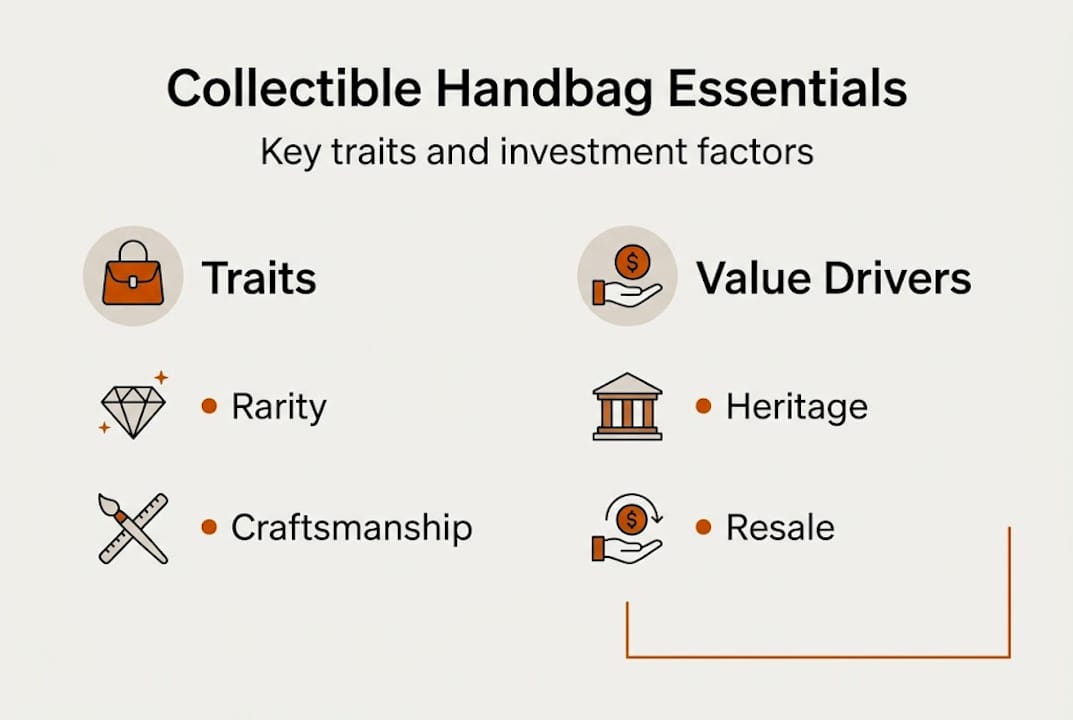
Consiglio: quando si considera l'acquisto di un pezzo in edizione limitata, è sempre bene richiedere il certificato di produzione o la documentazione dell'atelier che ne confermi la tiratura. Le case di gioielleria più rinomate li rilasciano di routine. Se un venditore non è in grado di fornire tale documentazione, è bene essere cauti riguardo alla presunta rarità del pezzo.
Il ritorno sull'investimento per pezzi davvero rari può essere sorprendente. Alcuni stili iconici hanno visto il loro valore aumentare di oltre il 100% in un decennio, superando di gran lunga molte classi di attività tradizionali. Detto questo, acquistare esclusivamente per un ritorno finanziario significa perdere il piacere più profondo del collezionismo. I collezionisti più saggi acquistano pezzi che amano e che sarebbero felici di conservare indipendentemente dalle fluttuazioni del mercato.
Patrimonio, provenienza e l'eredità delle case di lusso
Al di là dell'esclusività, le origini e la storia di una borsa possono fare la differenza. Il patrimonio non è semplicemente una questione di età. È il peso accumulato della filosofia di una maison, dei suoi rapporti con gli professionisti specializzati e del suo impegno a mantenere uno standard particolare attraverso le generazioni. Maison italiane come Gucci, Prada, Bottega Veneta e Ferragamo hanno costruito la loro reputazione in decenni di eccellenza costante, ed è proprio questa costanza a rendere i loro pezzi d'archivio così ambiti.
Storia e provenienza sono fattori cruciali per il valore collezionistico, soprattutto nel caso del lusso italiano. La tabella seguente mostra come i fattori di provenienza variano tra le principali case di moda:
| Casa | Fondato | Fattore chiave di provenienza | Caratteristica distintiva da collezione |
|---|---|---|---|
| Gucci | 1921 | Tradizione fiorentina della pelle | Manico in bambù, G ad incastro |
| Prada | 1913 | modernismo milanese | Innovazione nel nylon, geometria pulita |
| Bottega Veneta | 1966 | tecnica di intreccio | Pelle intrecciata, senza logo visibile. |
| Ferragamo | 1927 | Tradizione calzaturiera applicata alle borse | Componenti scultorei, arco Vara |
Quando si valuta la provenienza di una borsa, guida alle borse di lusso Si consiglia di richiedere la seguente documentazione:
- Scontrino d'acquisto originale o fattura dell'atelier.
- Certificato di autenticità rilasciato dalla casa produttrice o da un ente terzo accreditato.
- Sacchetto antipolvere e scatola con il marchio corretto per l'anno di produzione.
- Documentazione relativa agli interventi di manutenzione, qualora la borsa sia stata riparata o restaurata dalla casa.
- Lettera di provenienza se la borsa ha avuto precedenti proprietari di rilievo.
Sotheby's sottolinea che tra le caratteristiche distintive delle borse da collezione figurano cuciture uniformi, peso corretto della minuteria metallica e materiali di fodera fedeli all'epoca. Questi dettagli raccontano la storia di dove una borsa è stata realizzata, da chi e secondo quali standard. Una borsa con documentazione completa e provenienza verificabile avrà sempre un valore superiore rispetto a un esemplare identico privo di documentazione.
Design senza tempo e maestria nella lavorazione duratura.
Dopo aver sottolineato l'importanza della provenienza, è giunto il momento di evidenziare ciò che distingue il design dalla qualità costruttiva. Il design senza tempo non significa essere sicuri o privi di originalità. Significa creare una forma che risolva il problema della bellezza e della funzionalità con tale eleganza da non aver mai bisogno di essere reinventata. La borsa Kelly, la Chanel 2.55 e la Bottega Veneta Cassette condividono tutte questa qualità: appaiono attuali oggi come lo erano al momento del loro lancio.
Le borse dal design intramontabile condividono una serie di caratteristiche che i collezionisti imparano a riconoscere rapidamente. Tra queste:
- Silhouette considerataLa forma complessiva è strutturata e proporzionata, non segue né contrasta il corpo.
- Hardware di qualitàLe chiusure, gli anelli e i piedini sono solidi, pesanti e rifiniti secondo uno standard tale da resistere all'ossidazione per decenni.
- Materiali di alta qualitàPelle pieno fiore, pelli esotiche e tessuti pregiati che acquistano carattere con il tempo anziché deteriorarsi.
- cuciture realizzate a manoLa cucitura a sella e la rifinitura a mano creano giunture che durano molti anni in più rispetto alle cuciture a macchina.
- Interni curati nei minimi dettagliLa qualità della fodera, la posizione delle tasche e la struttura della base riflettono la stessa cura riservata all'esterno.
Perché la cucitura a mano è così importante? Un singolo professionista specializzato che lavora con due aghi e filo cerato crea una cucitura a punto annodato che resiste anche se un filo si rompe. La cucitura a macchina, al contrario, può scucirsi in un singolo punto. Non si tratta di un dettaglio di poco conto; è la differenza tra una borsa che dura trent'anni e una che mostra segni di usura dopo soli cinque.
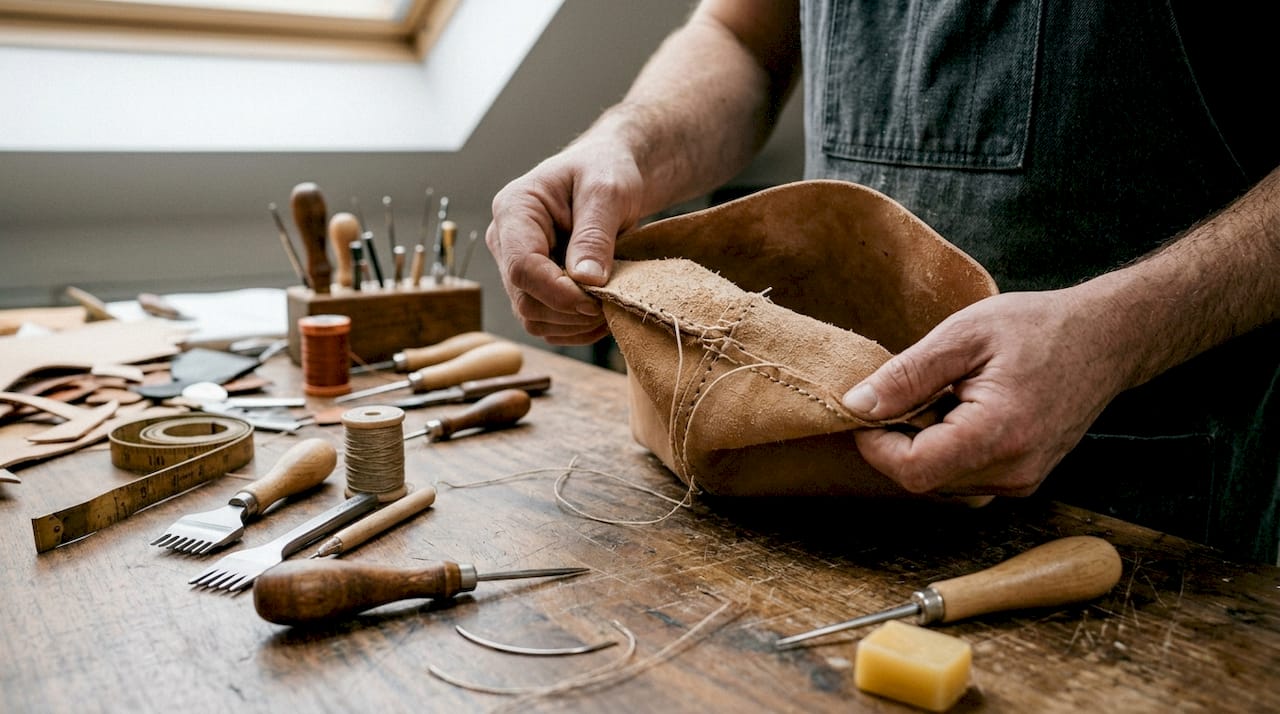
Consiglio da professionisti: se possibile, rovesciate la borsa oppure esaminate attentamente gli angoli interni della base. La maestria nella lavorazione italiana si manifesta con cuciture pulite e uniformi nei punti di maggiore sollecitazione, senza residui di colla o bordi grezzi. È proprio in questi dettagli nascosti che si tende a risparmiare, e dove la qualità si rivela in modo più evidente.
La guida di Vogue alle migliori borse da investimento evidenzia costantemente i pezzi di produzione italiana come leader nel mantenimento del valore a lungo termine, proprio perché gli standard di costruzione rimangono radicati nella tradizione tradizionale. Quando si confronta borse di lusso contro borse firmateLa differenza nella qualità costruttiva risulta immediatamente evidente a chiunque le maneggi entrambe.
Proteggere, esporre e godersi la propria collezione
Infine, possedere borse da collezione significa prendersene cura affinché la loro storia continui. Una borsa conservata in modo improprio o trascurata perde sia bellezza che valore, a prescindere da quanto fosse importante al momento dell'acquisto. La buona notizia è che la cura adeguata è semplice una volta che si comprende di cosa hanno bisogno la pelle e i materiali pregiati.
Per la conservazione e l'esposizione, i principi sono semplici ma non negoziabili. I consigli di Town and Country per la cura delle borse raccomandano di conservarle imbottite con carta velina priva di acidi per mantenerne la forma, in posizione verticale all'interno di sacchetti antipolvere traspiranti, al riparo dalla luce solare diretta e dall'umidità. Evitate le coperture in plastica, che intrappolano l'umidità e accelerano il deterioramento.
Tra le idee per esporre al meglio la maestria italiana, si possono citare scaffalature a vista in un armadio climatizzato, supporti individuali in acrilico che permettano di apprezzarne la silhouette e vetrine girevoli, in modo che nessuna borsa rimanga inutilizzata per anni. Una borsa che non viene mai usata non si può apprezzare appieno, e la maggior parte dei collezionisti ritiene che ruotare i propri pezzi mantenga vivi sia la pelle che il proprio apprezzamento.
Le fasi di manutenzione essenziali che ogni collezionista dovrebbe seguire sono:
- Trattare la pelle pieno fiore ogni tre-sei mesi con un prodotto consigliato dalla casa produttrice o da uno specialista.
- Dopo ogni utilizzo, pulire delicatamente l'esterno con un panno morbido e asciutto per rimuovere polvere e residui oleosi dalla superficie.
- Conservare la ferramenta metallica avvolta in un panno morbido per evitare di graffiare le superfici adiacenti.
- Tenete le borse lontane da profumi, lacca per pelle e fonti di calore dirette, poiché tutti questi elementi danneggiano la pelle e le finiture metalliche.
- Qualsiasi riparazione deve essere eseguita dalla casa produttrice originale o da uno specialista in pelletteria italiana. Le riparazioni amatoriali ne compromettono il valore.
Cura e presentazione adeguate sono essenziali per mantenere sia la bellezza che il valore nel corso dei decenni. La gioia di una collezione ben tenuta è che ogni pezzo continua a raccontare la sua storia, e stile borse di lusso diventa un piacere quotidiano piuttosto che un attento esercizio di conservazione.
Perché inseguire le etichette non basta: il punto di vista di un esperto sul vero collezionismo.
Ora che abbiamo a disposizione il quadro completo, vale la pena riflettere su cosa renda davvero una borsa degna di essere custodita. Abbiamo visto migliaia di donne acquistare borse che, a detta loro, erano da collezione, per poi provare una tacita delusione qualche anno dopo, quando il mercato è cambiato e la borsa non suscitava più gioia o interesse. Lo schema è quasi sempre lo stesso: l'acquisto è stato motivato dal logo, dalla lista d'attesa o dal segnale sociale, piuttosto che dalle qualità che abbiamo descritto qui.
La scomoda verità è che l'industria del lusso è straordinariamente abile nel creare desiderio. Una lista d'attesa non garantisce la rarità. L'approvazione di una celebrità non garantisce la maestria nella lavorazione. Un prezzo elevato non garantisce la tradizione. Questi sono strumenti di marketing, e funzionano benissimo, ma non sono la stessa cosa delle caratteristiche autentiche che rendono una borsa un oggetto da collezione.
Ciò che abbiamo osservato, sia attraverso la nostra selezione che attraverso le storie che le collezioniste condividono con noi, è che le borse a cui le donne tornano ripetutamente non sono quasi mai i pezzi più trendy che hanno acquistato. Sono quelle che hanno una storia, un peso in mano, un dettaglio di cucitura che si rivela lentamente. borsa firmata senza tempo Si guadagna il suo posto non grazie alla pubblicità, ma grazie alla serena sicurezza di una realizzazione eccezionale.
Il patrimonio italiano insegna questa lezione in modo particolarmente efficace. I grandi atelier fiorentini e milanesi non hanno costruito la loro reputazione inseguendo le mode, bensì perfezionando un'arte e ripetendola fedelmente. I collezionisti che comprendono questo principio sono coloro che costruiscono collezioni in grado di offrire soddisfazioni durature, sia a livello personale che economico.
Scopri l'eleganza dei veri oggetti da collezione italiani
Siete ispirati a scoprire o ad acquistare il vostro prossimo gioiello di famiglia? Ecco da dove iniziare.
Da San Rocco Italia, ogni borsa della nostra collezione viene scelta secondo gli stessi criteri descritti in questo articolo: tradizione, rarità, maestria e un linguaggio di design che sarà ancora bello tra trent'anni. Le nostre borse e articoli in pelle sono realizzati in Italia da abili professionisti specializzati che lavorano con pelle pieno fiore di prima qualità e tecniche tradizionali, e ogni pezzo viene selezionato perché soddisfa gli standard di un vero Borsa da collezione italianaChe tu stia iniziando la tua collezione o desideri aggiungere un pezzo ricercato a una già consolidata, ti offriamo la competenza e la cura necessarie per aiutarti a scegliere con sicurezza. Esplora la nostra collezione e scopri cosa significa avere tra le mani un autentico maestria italiana.
Domande frequenti
Cosa rende una borsa "da collezione" anziché semplicemente costosa?
Una borsa da collezione offre rarità, provenienza e maestria nella lavorazione, unite a un'eredità di design che ha dimostrato di mantenere il suo valore nel tempo per i collezionisti più esigenti. Il prezzo da solo non è mai sufficiente.
Perché alcune borse "di tendenza" perdono valore nel tempo?
Le borse prive di un design duraturo o di una vera rarità scompaiono perché prodotte in grandi quantità e guidate dalle tendenze piuttosto che da una lavorazione specializzata duratura o da un'autentica tradizione.
Quanto sono importanti la cura e la conservazione delle borse da collezione?
La cura e la conservazione influiscono direttamente sulla bellezza e sul valore di rivendita a lungo termine; anche un pezzo di pregio può perdere entrambe queste caratteristiche se non viene mantenuto o conservato correttamente.
Le borse italiane sono più ricercate dai collezionisti rispetto a quelle di altri paesi?
la maestria e la tradizione italiana rendono le borse italiane tra le più ambite al mondo, sebbene il loro valore collezionistico dipenda in ultima analisi dalle caratteristiche specifiche di un pezzo, piuttosto che dal solo paese di origine.
Raccomandato
- Cosa rende una borsa di lusso: guida completa – San Rocco Italia
- Capire come vengono realizzate le borse: l'arte della maestria – San Rocco Italia
- Borse di lusso vs borse firmate: guida comparativa completa – San Rocco Italia
- Storia delle borse di lusso: simboli intramontabili di status – San Rocco Italia



