


Luxury leather flip flops: Italian craftsmanship guide
Flip flops have long been dismissed as throwaway summer footwear, something you grab at the airport or leave by the pool. Yet there is a quietly growing world of Italian leather flip flops that challenges this assumption entirely. Handcrafted using premium materials such as nappa, calfskin, and Tuscan leather, these pieces are as far from disposable as a well-cut blazer. For women who value quality over quantity and care about where their clothes come from, this guide covers everything: craftsmanship, durability, design, ethical sourcing, and how to choose the right pair.
Table of Contents
- What makes leather flip flops truly luxurious
- Durability: investment footwear that ages beautifully
- Timeless design: from Capri elegance to modern minimalism
- Ethical fashion: sustainability and artisan support in every step
- How to choose and care for your perfect pair
- Experience true Italian luxury in every step
- Frequently asked questions
Key Takeaways
| Point | Details |
|---|---|
| Invest in craftsmanship | Luxury leather flip flops made in Italy combine heritage skills and superior materials for long-term value. |
| Choose timeless design | Minimalist, elegant lines ensure versatility from casual days to refined evenings. |
| Prioritise ethical choices | Vegetable-tanned and artisan-made leathers offer more sustainable, responsible luxury. |
| Care extends lifespan | Simple cleaning and protection help your sandals last a decade or more in beautiful condition. |
What makes leather flip flops truly luxurious
Luxury is not simply about price. It is about the decisions made at every stage of production, from the hide selected to the final stitch. Italian leather flip flops stand apart because they are born from a tradition of artisanal excellence that stretches back centuries. Florence, Naples, and the Amalfi Coast have long been centres of leatherwork, and that heritage is woven into every pair produced there today.
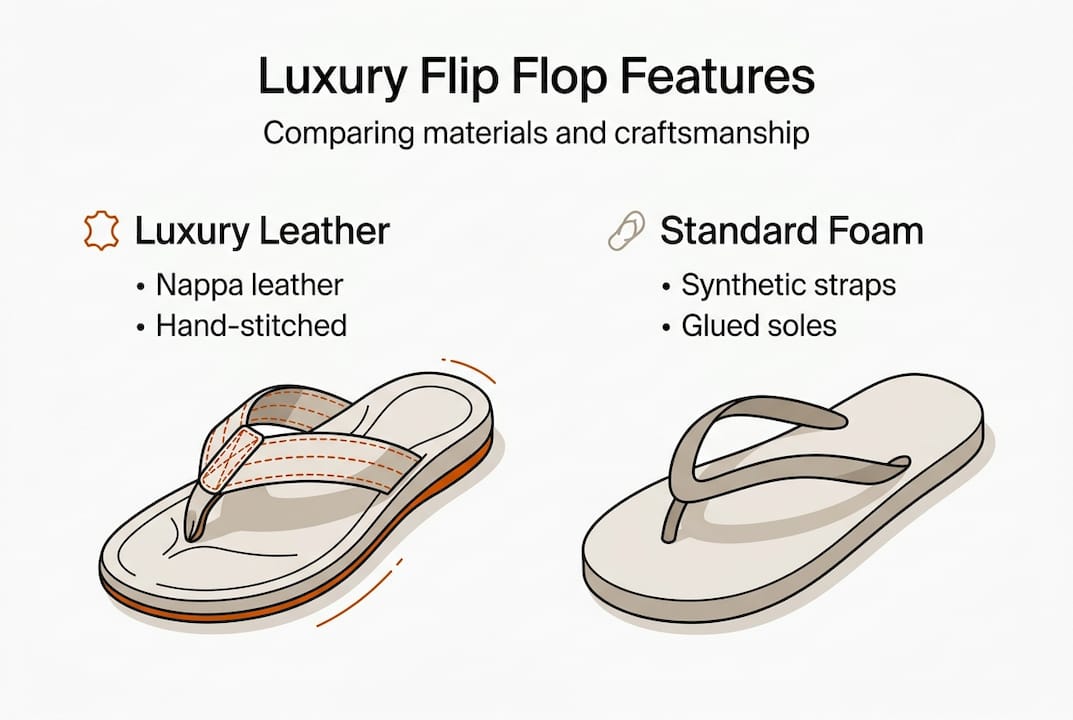
The materials matter enormously. Nappa leather is soft, supple, and moulds gently to the foot over time. Calfskin offers a finer grain and a polished finish that ages with real elegance. Tuscan leather, often vegetable tanned, develops a rich patina that synthetic materials simply cannot replicate. These are not interchangeable choices; each has a distinct character suited to different tastes and climates.
What truly separates a luxury pair from a high-street imitation is the making. As iconic Italian leather brands demonstrate, the best pieces are entirely handmade in Italy by skilled craftspeople, not assembled on a production line. The difference is visible in the stitching, the finish, and the way the leather sits against the foot.
Here is what to look for when assessing true quality:
- Hand-stitched straps with even, tight spacing and no loose threads
- Full-grain or top-grain leather rather than bonded or corrected leather
- Leather-lined footbeds that breathe and conform to your foot shape
- Solid, well-attached soles with no separation at the edges
- Artisanal finishing such as burnished edges and hand-painted details
“A truly luxurious leather flip flop is not made faster or cheaper. It is made better, by someone who has spent years learning how.”
Durability: investment footwear that ages beautifully
Appreciating luxury is one thing, but the lasting value of leather flip flops is another. The honest case for spending more on a pair of leather flip flops is simple: you buy them once, and you wear them for years. Possibly decades.
Quality leathers age well precisely because of how they are processed. Vegetable tanning, a method using natural plant extracts rather than harsh chemicals, produces leather that is firmer initially but softens beautifully with wear. It also means the leather breathes, resists odour, and develops a patina unique to the wearer. This is the opposite of fast fashion.
The construction method is equally important. Hand-stitched soles and leather bottoms are far more resilient than glued alternatives, which can separate in heat or humidity. This matters if you are wearing your flip flops on warm stone terraces or near the sea.
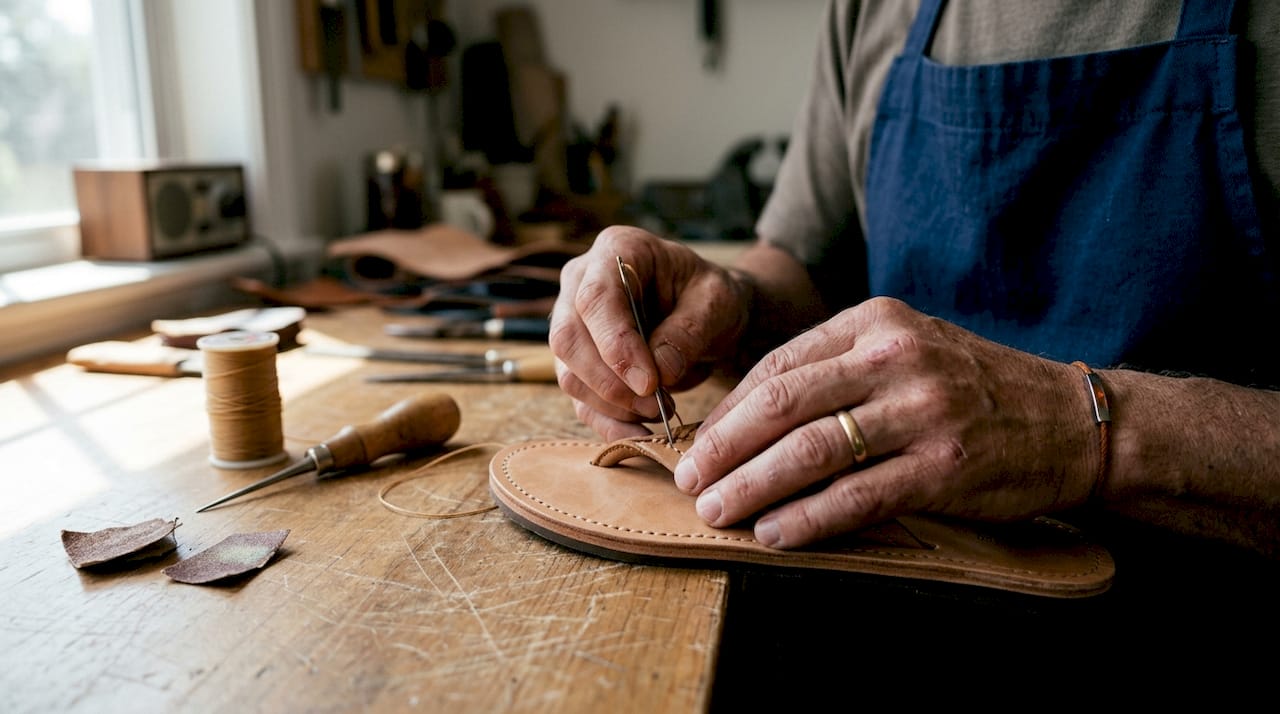
The numbers speak for themselves. Caboclo users report wearing their leather sandals for over ten years with proper care. That kind of longevity transforms the cost-per-wear calculation entirely.
| Feature | Luxury leather flip flop | Standard flip flop |
|---|---|---|
| Average lifespan | 10+ years | 1 to 2 seasons |
| Material | Full-grain or vegetable-tanned leather | Synthetic or PVC |
| Construction | Hand-stitched | Machine glued |
| Ageing quality | Develops patina | Degrades and cracks |
| Repairability | Often resoleable | Disposable |
Pro Tip: Apply a good leather conditioner at the start and end of each summer season. This keeps the leather supple, prevents surface cracking, and extends the life of your flip flops significantly. A small tin of conditioner costs very little compared to replacing a pair you love.
For a deeper look at how Italian leather craftsmanship influences longevity, the techniques used in footwear mirror those found in the finest Italian handbags.
Timeless design: from Capri elegance to modern minimalism
Now that durability is sorted, it is time to embrace the aesthetic side of the equation. Italian leather flip flops are not just functional; they carry a visual language rooted in the Mediterranean. Think of the sun-bleached terraces of Capri, the cobbled lanes of Positano, and the effortless elegance of women who have been wearing beautiful sandals for generations.
Timeless designs feature clean lines, square or rounded toes, and stitched leather bands that sit flat against the foot without bulk. These are not trend-driven pieces. They are designed to work as well with linen trousers in 2026 as they did twenty years ago, and as well with a sundress as with tailored shorts.
Current summer sandal trends confirm what Italian artisans have always known: understated, well-made footwear outlasts every seasonal fad. The minimalist aesthetic is not a compromise; it is a statement of confidence.
Here is a comparison of the most popular style directions:
| Style | Key features | Best worn with |
|---|---|---|
| Capri classic | Thin leather straps, gold hardware | Linen, silk, resort wear |
| Positano wrap | Ankle ties, wider bands | Maxi dresses, wide-leg trousers |
| Modern minimalist | Single strap, clean sole | Everything, every day |
| Gladiator-inspired | Multi-strap, structured | Statement outfits, evenings |
For women over 35, the appeal of timeless luxury leather brands lies in exactly this: pieces that do not demand constant replacement or trend-chasing. A well-chosen pair of Italian leather flip flops becomes part of your personal style rather than a seasonal afterthought.
- Neutral tones (tan, cognac, black, nude) work across the widest range of outfits
- Metallic finishes (gold, bronze) elevate evening looks without effort
- Darker leathers transition well from day to dinner
- Embossed or textured leathers add interest without pattern
Ethical fashion: sustainability and artisan support in every step
A truly luxurious flip flop appeals to your conscience as much as your wardrobe. For women who care about where their clothes come from and who made them, the story behind Italian leather footwear is genuinely encouraging.
Ethical choices include vegetable-tanned leathers, LWG-certified tanneries, and direct support for traditional artisans. Each of these elements matters, and understanding them helps you shop with real confidence.
Here is how to evaluate the ethics of a leather flip flop purchase:
- Check for vegetable tanning. This process uses natural tannins from bark and plants rather than chromium salts. The result is leather that is safer to produce, biodegradable at end of life, and better for the artisans handling it daily.
- Look for LWG certification. The Leather Working Group audits tanneries for environmental performance, water use, and chemical management. A brand that sources from LWG-certified tanneries is making a verifiable commitment.
- Research the maker. Small Italian workshops often employ local craftspeople who have learned their trade through apprenticeship. Buying from them supports a living tradition and a community.
- Consider repairability. A flip flop that can be resoled or restitched is inherently more sustainable than one destined for landfill after a single season.
“Choosing well-made, ethically sourced leather is not a compromise. It is the most sustainable choice available for those who want footwear that lasts.”
For those curious about sustainable Italian leather practices, or who want to explore top ethical leather comparisons, the conversation around responsible luxury is richer and more nuanced than most people realise. Vegan alternatives have their place, but for longevity and biodegradability, well-sourced natural leather remains a strong contender.
How to choose and care for your perfect pair
With all this knowledge, it is time to put it into action when making your next footwear choice. Buying a luxury pair of leather flip flops is not complicated, but a few key considerations will save you from expensive mistakes.
Choosing the right pair:
- Prioritise fit above all else. Your foot should sit fully on the footbed with no overhang at the heel or toes. A well-fitted flip flop distributes weight evenly and prevents the strap from digging in.
- Assess the sole. Handmade stitching, vegetable-dyed leather soles, and cushioned insoles all contribute to comfort and durability. Micro-rubber soles offer grip without sacrificing the artisanal look.
- Check the strap attachment. Pull gently at the point where the strap meets the sole. It should feel completely secure with no give.
- Consider the occasion. A thinner strap in tan leather works for almost everything. A wider, more structured design suits specific outfits and settings.
- Ask about repairability. A cobbler who can resole your flip flops extends their life considerably. Not all constructions allow for this, so it is worth asking before you buy.
Caring for your leather flip flops:
The impact on fashion sustainability of proper leather care cannot be overstated. A well-maintained pair lasts decades; a neglected one deteriorates within seasons.
- Clean with a soft, barely damp cloth after each wear
- Condition with a leather cream every few months
- Store in a cool, dry place away from direct sunlight
- Never submerge in water or leave wet leather to dry in the sun
- Use cedar shoe trees or stuff with tissue to maintain shape during storage
Pro Tip: If your leather flip flops get caught in the rain, blot them dry immediately with a clean cloth and allow them to air dry naturally at room temperature. Never use a hairdryer or place them near a radiator, as direct heat causes the leather to stiffen and crack.
Experience true Italian luxury in every step
If this guide has done its job, you now see leather flip flops in an entirely different light. Not as a casual afterthought, but as a considered investment in quality, beauty, and ethical craftsmanship.
At San Rocco Italia, we believe that every piece you wear should tell a story worth telling. Our leather goods are made in Italy by skilled artisans using premium full-grain leather and time-honoured techniques, chosen because they meet the standards that discerning women deserve. Whether you are building a capsule wardrobe or searching for that one perfect pair, San Rocco Italia’s leather collections offer a starting point rooted in authenticity, elegance, and genuine craft. Explore what Italian luxury looks and feels like when it is made with real intention.
Frequently asked questions
What makes Italian leather flip flops different from regular flip flops?
Italian flip flops are handmade using premium local leathers, meticulous stitching, and traditional artisan methods that deliver superior durability and a level of elegance that mass-produced footwear simply cannot match.
How long do quality leather flip flops typically last?
High-end leather sandals last ten years or more with proper care, gradually developing a rich patina that makes each pair uniquely personal over time.
Are luxury leather flip flops an ethical choice?
Luxury options often use vegetable-tanned, LWG-certified leathers and support traditional artisans, making them a more ethical and sustainable choice than fast-fashion alternatives.
How do I care for leather flip flops to maximise their life?
Condition leather regularly to keep it supple, clean gently after each wear, and keep your flip flops away from prolonged water exposure to prevent cracking and preserve their shape.
Recommended
- Travel leather guide 2026: luxury, craft & sustainability – San Rocco Italia
- Italian vs. French Leathercraft: Complete Comparison Guide – San Rocco Italia
- Leather Goods NYC 2026: 95% Ethical Craftsmanship Guide – San Rocco Italia
- Understanding Italian Leather Craftsmanship: Timeless Quality – San Rocco Italia
