


Vegan vs Real Leather: What Informed Buyers Need to Know
Choosing a luxury handbag or accessory often means more than picking a style you love. For many discerning European women, weighing the true differences between vegan and real Italian leather becomes a central part of ethical shopping. With growing options—from classic animal hides to plant-based materials like pineapple and mycelium—understanding this choice means looking beyond surface labels to the real impact and longevity of your investment. Make every purchase reflect your values with clarity about material authenticity and sustainability.
Table of Contents
- Defining Vegan and Real Leather Today
- Key Types and Sourcing Differences
- Craftsmanship, Performance, and Longevity
- Sustainability and Ethical Impact Compared
- Choosing Smart: Costs, Value, and Mistakes
Key Takeaways
| Point | Details |
|---|---|
| Material Origins Matter | Real leather is animal-derived, while vegan leather consists of synthetic or plant-based alternatives. Understanding these origins informs purchasing decisions. |
| Longevity Affects Value | Real leather items can last decades, whereas vegan leather typically lasts 3-5 years, impacting cost-effectiveness and environmental footprint. |
| Sustainability is Nuanced | Neither material is without environmental impact; responsible sourcing and production processes are essential for sustainability. |
| Investment vs. Fashion | For long-lasting investment pieces, prioritise quality real leather; for trend-focused items, consider the lifecycle and replacement costs of vegan leather. |
Defining Vegan and Real Leather Today
When you’re shopping for leather goods, the terminology matters more than you might think. Real leather refers to material derived from animal hides—predominantly cattle—which have been treated through tanning processes that date back centuries. This is what San Rocco Italia uses in our handcrafted Italian pieces. The legal definition is strict: under European law, only animal-derived materials can legally be labelled as “leather.”
Vegan leather, by contrast, is an umbrella term for any material designed to mimic leather’s appearance and feel without using animal products. This includes synthetic alternatives based on petrochemicals like polyurethane and PVC, as well as emerging plant-based options such as pineapple fibre, mushroom mycelium, and apple waste. Each type requires completely different manufacturing approaches.
The distinction goes deeper than what you see on the surface. Real leather develops character over time—it patinas, softens, and becomes more beautiful with age and use. Many of you have probably noticed how a quality leather bag improves after five years of regular wear. Vegan leather, meanwhile, maintains a consistent appearance but often shows wear differently, sometimes cracking or peeling rather than developing a desirable patina.
What’s crucial to understand is that the environmental impacts of both materials vary significantly based on production methods and material composition. Neither option is universally “better”—the reality is considerably more nuanced than marketing claims suggest.
The choice between them isn’t simply about ethics or sustainability. It’s about understanding what each material genuinely offers, how long it will actually last in your wardrobe, and whether that aligns with your values and lifestyle. For affluent buyers seeking investment pieces, these distinctions become particularly important.
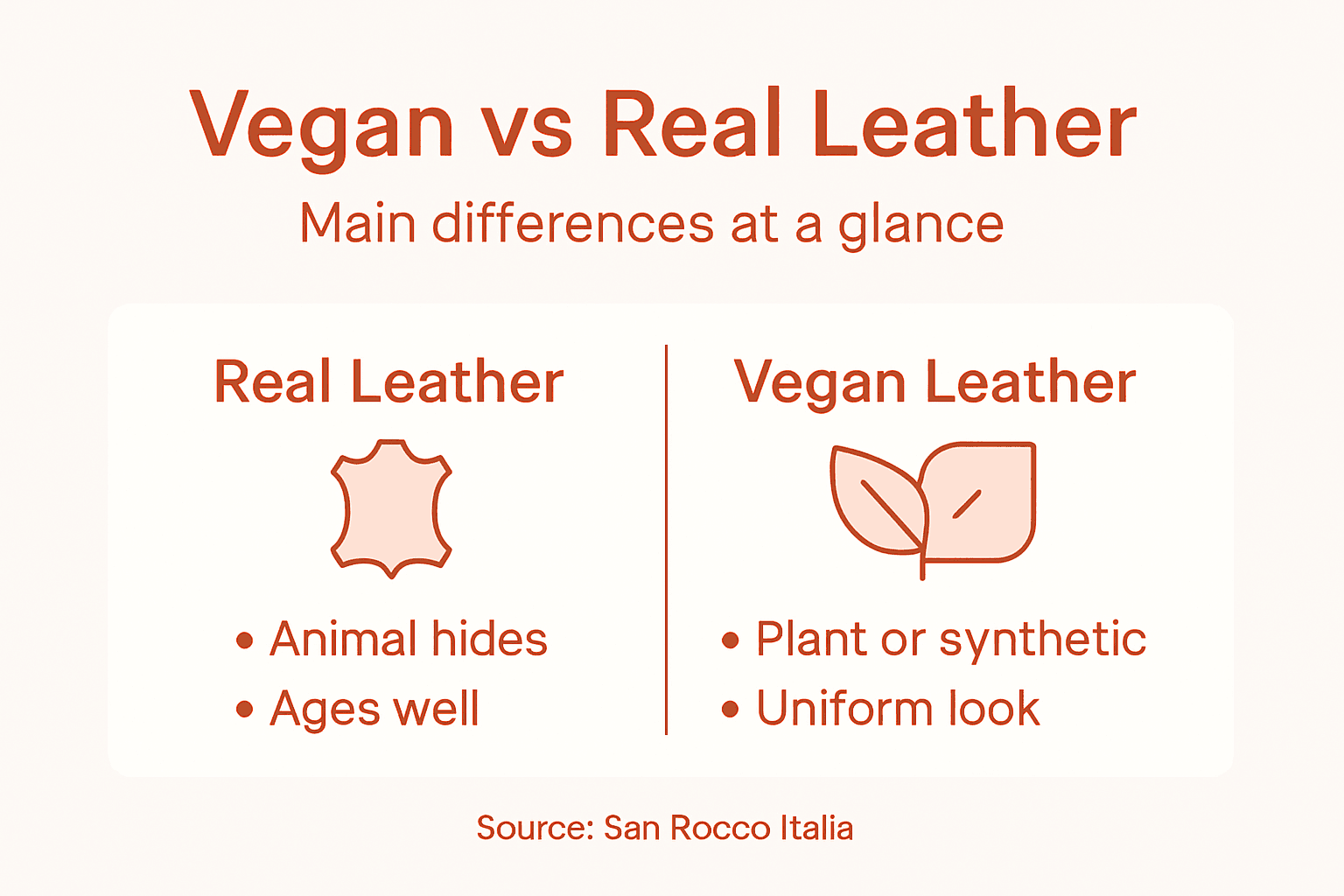
Here is a side-by-side overview of the primary differences between real leather and vegan leather:
| Attribute | Real Leather | Vegan Leather |
|---|---|---|
| Origin | Animal hides (mainly cattle) | Synthetic or plant-based materials |
| Typical Lifespan | Decades with care | 3–5 years on average |
| Ageing Process | Develops unique patina | Appearance may crack or peel |
| Environmental Concerns | Tanning chemicals, livestock impact | Fossil fuels, microplastics, disposal |
| Repairability | Easily repaired and restored | Repair often limited or impractical |
| Desired Buyer | Investment seekers valuing longevity | Trend-driven, value instant availability |
Pro tip: When evaluating leather goods, ask manufacturers about their tanning processes and material sourcing rather than making assumptions based on the “vegan” or “real leather” label alone—transparency about production methods reveals far more about quality and ethics than marketing terminology.
Key Types and Sourcing Differences
Real leather comes from several animal sources, each with distinct characteristics. Cattle leather dominates the market and forms the foundation of San Rocco Italia’s collection, prized for its durability and natural grain patterns. Sheep and goat leather offer softer, more delicate textures, whilst buffalo and pig leather serve specific applications. The sourcing of these hides follows established supply chains through tanneries, many concentrated in regions like Tuscany where techniques have been refined over generations.
Vegan leather presents a fragmented landscape of materials that share virtually nothing in common except the absence of animal products. Synthetic options like polyurethane and PVC dominate current production because manufacturers have perfected their reliability and cost structures. Yet they rely entirely on petrochemical sourcing, making them dependent on fossil fuel extraction and processing.
Plant-based alternatives represent the frontier of vegan leather innovation. Pineapple, cactus, orange, and apple fibres are being woven into durable fabrics that mimic leather’s characteristics. These materials source from agricultural waste streams, repurposing byproducts that would otherwise be discarded. The appeal lies not just in avoiding animal products but in transforming farm residue into valuable material.
Bio-manufactured leathers like mushroom mycelium and bacterial cellulose represent another sourcing approach entirely. These materials grow rather than get manufactured. Fungal biomass cultivated on food waste demonstrates how vegan leather can valorise waste streams whilst reducing reliance on conventional agriculture. The process uses bio-tanning methods aligned with sustainability goals.
Here’s what matters: real leather sourcing is established and transparent, whilst vegan leather sourcing is diverse and evolving. Some plant-based options genuinely improve waste management. Others simply substitute one environmental concern for another. The source material tells you far more than the category label itself.
Pro tip: When investigating a brand’s sourcing claims, ask specifically where their leather comes from—whether it’s a named tannery region like Tuscany or a vegan material producer—and request information about their supply chain transparency, as this reveals commitment to actual accountability rather than marketing narratives.
Craftsmanship, Performance, and Longevity
The craftsmanship behind leather goods reflects centuries of refined technique. Italian artisans who work with full-grain leather understand how the material responds to hand tools, how to read grain direction, and how to anticipate how a hide will age. This knowledge cannot be rushed or outsourced to machines. Each piece develops its own character—scratches become stories, creases become evidence of use.
Vegan leather demands entirely different craftsmanship approaches. Synthetic materials behave predictably but rigidly, lacking the organic variation that makes working with hide challenging and rewarding. Plant-based alternatives are newer to the market, meaning the accumulated knowledge simply doesn’t exist yet. Craftspeople are still experimenting with techniques that traditional leatherworkers perfected generations ago.
Genuine leather’s natural texture and aging patina represent performance characteristics that no synthetic material currently replicates convincingly. A well-maintained leather bag from San Rocco Italia becomes softer and more supple with age, developing a rich patina that signals quality and care. The material actually improves under reasonable wear conditions.
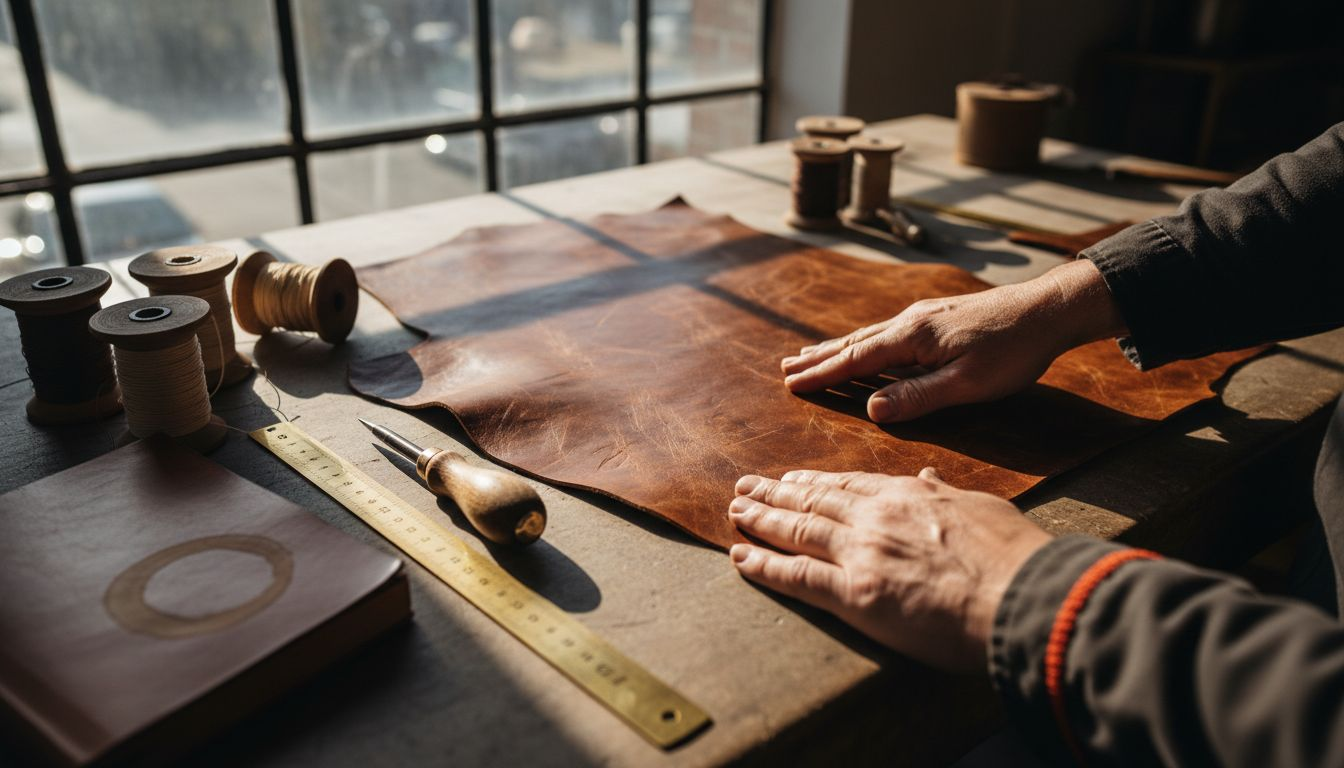
Vegan leather typically shows its limitations within three to five years of regular use. Synthetic polyurethane can crack and peel. Plant-based alternatives may degrade unpredictably depending on climate and care. Whilst traditional leather’s robustness and durability remain unmatched, vegan leather manufacturers continue innovating toward longer lifespans, though they haven’t yet achieved parity.
Here’s the reality for investment purchases: real Italian leather pieces are designed to outlast their owners. They’re meant to be passed down, repaired if needed, and appreciated more with each decade. Vegan leather serves different purposes—lighter environmental footprint during use, but with a finite lifespan that eventually requires disposal.
Pro tip: When evaluating any leather item’s longevity, inspect the stitching quality and ask about repair services—brands that stand behind their craftsmanship offer resole, restitching, and restoration options that extend lifespan dramatically and signal genuine confidence in their materials.
Sustainability and Ethical Impact Compared
The sustainability conversation around leather is far messier than marketing slogans suggest. Real leather production carries genuine environmental costs. Cattle ranching contributes to deforestation and methane emissions. Tanning processes consume significant water and introduce chemical pollutants into local ecosystems. These are real problems that deserve honest acknowledgement.
Yet the ethical picture extends beyond simple animal welfare calculations. Animal-based leather involves water consumption, methane emissions, and chemical pollution during tanning, creating measurable environmental damage. However, a quality leather bag that lasts thirty years distributes these impacts across three decades of use. A vegan alternative discarded after five years concentrates its environmental cost into a shorter timeframe.
Vegan leather alternatives present their own complications. Synthetic polyurethane and PVC rely on fossil fuel extraction and processing. They shed microplastics during washing and eventually become non-biodegradable waste in landfills. Plant-based options like mushroom leather or pineapple fibre sound better but remain experimental and unproven at scale. Some genuinely improve waste management by repurposing agricultural byproducts. Others simply replace one environmental problem with another.
Consumer openness to sustainable alternatives demonstrates growing awareness among affluent European buyers like yourselves. You’re questioning assumptions and demanding transparency. That’s valuable. But sustainable choices require looking beyond marketing language at actual lifecycles, not just production methods.
The honest assessment: neither option is guilt-free. Real leather demands responsible tanning practices and ethical sourcing. Vegan leather requires honest communication about biodegradability and waste. Your choice depends on which impacts concern you most and how you define responsibility—immediate animal welfare or long-term environmental consequence.
Pro tip: Rather than choosing between vegan and real leather based on ideology alone, research the specific brand’s tanning methods, manufacturing location, and expected lifespan—a sustainably-tanned Italian leather piece worn for decades creates significantly lower environmental impact per year than a vegan alternative replaced every few years.
Choosing Smart: Costs, Value, and Mistakes
Price tags tell only part of the story. A £2,000 Italian leather handbag feels expensive until you realise it will outlast three £600 vegan alternatives. Yet many buyers fixate on upfront cost, treating leather and vegan leather as interchangeable purchases where price becomes the primary differentiator. That’s the first mistake.
Economic challenges in vegan leather production mean quality varies wildly across brands. Some manufacturers invest in genuine innovation with plant-based materials and skilled craftsmanship. Others simply rebrand cheap synthetic polyurethane as “eco-friendly.” The lower price doesn’t automatically signal sustainability or ethical production.
The cost per year of ownership matters far more than the purchase price alone. A £1,500 leather bag worn for twenty years costs £75 annually. A £500 vegan bag replaced every four years costs £125 annually. Add in the environmental cost of disposal and manufacturing cycles, and the maths shift dramatically in favour of durability.
Common mistakes cluster around three areas. First, assuming all vegan leather is more sustainable simply because it avoids animals. Second, buying leather without researching tanning methods and ethical sourcing, then justifying the purchase through quality alone. Third, underestimating how quickly poorly-made vegan leather deteriorates, leading to serial purchases that compound the environmental footprint.
Balancing upfront cost, product longevity, and ethical impact requires asking specific questions before purchasing. Where does the material originate? What’s the realistic lifespan? What happens after the product reaches end of life? Does the brand offer repair services? These answers reveal true value far better than price comparisons.
For investment pieces—the handbags and accessories you’ll actually keep—real Italian leather from responsible producers typically delivers superior value. For fashion items you’ll discard in two seasons, the calculus differs. The key is matching material choice to intended use rather than defaulting to ideology.
Consider the main cost-related factors when deciding between materials:
| Factor | Real Leather | Vegan Leather |
|---|---|---|
| Upfront Cost | Typically high, £1,500–£2,000 | Lower, varies by innovation level |
| Annual Cost (ownership) | £75 for a 20-year bag | £125 for a 4-year bag replaced 5x |
| Repair/Restoration | Economical, extends lifespan | Often not viable, replacement needed |
| Long-term Value | Increases with patina, sentimental | Declines quickly, few keep long term |
Pro tip: Calculate the true cost by dividing purchase price by expected years of ownership, then factor in repair costs and replacement frequency—this reveals which option actually costs less over time whilst accounting for the environmental impact you genuinely care about.
Discover Timeless Elegance with Authentic Italian Leather
Choosing between vegan and real leather is no simple task for discerning buyers who value longevity, craftsmanship, and genuine sustainability. The article highlights the challenge of balancing ethical concerns and material performance while avoiding common pitfalls such as short product lifespans or misleading sustainability claims. You deserve accessories that tell a story through their natural patina and stand the test of time rather than trends.
At San Rocco Italia, we embrace the proud tradition of Italian artisanship by offering luxury handbags and leather goods made exclusively from premium full-grain leather sourced from reputable tanneries. Our commitment to transparency and responsible sourcing ensures you invest in pieces designed for decades of use and repair, not fleeting fashion. Explore our collection where exceptional craftsmanship meets thoughtful sustainability.
Elevate your style with accessories that grow more beautiful with time and reflect your values. Visit San Rocco Italia today to browse our timeless designs. Make an informed choice that honours quality, heritage, and responsible luxury. Experience the difference genuine leather craftsmanship can make now.
Frequently Asked Questions
What is the main difference between vegan leather and real leather?
Real leather is made from animal hides, primarily cattle, while vegan leather is made from synthetic or plant-based materials that mimic the appearance and feel of real leather without using animal products.
How long does vegan leather typically last compared to real leather?
Vegan leather generally lasts around 3–5 years, whereas real leather can last for decades with proper care, developing a unique patina and character over time.
What are the environmental impacts of real leather versus vegan leather?
Real leather production involves water use, livestock impact, and pollution from tanning chemicals. In contrast, vegan leather, especially synthetic types, relies on fossil fuels and can generate microplastics, though some plant-based options may improve waste management by repurposing agricultural byproducts.
Can vegan leather be repaired like real leather?
Real leather is usually easier to repair and restore, while many vegan leather products may not be feasible to repair and often require replacement once damaged.
Recommended
- Understanding Leather Bags vs Vegan Bags: Key Differences – San Rocco Italia
- Understanding How to Identify Authentic Leather – San Rocco Italia
- Leather Briefcase Strap: Durability Meets Timeless Elegance – San Rocco Italia
- Tanned Leather: The Essence of Italian Craftsmanship – San Rocco Italia
- Trend Alert - Leather Luxe
