


Travel leather guide 2026: luxury, craft & sustainability
The Italian luxury leather market reached over $20 billion in 2026, yet many affluent travellers remain unaware that modern leather goods can embody both exquisite craftsmanship and genuine environmental responsibility. Italian artisans now blend centuries-old techniques with innovative sustainable practices, creating travel accessories that honour tradition whilst embracing ecological stewardship. This guide reveals how vegetable tanning, expert craftsmanship, and timeless design converge to produce leather travel pieces that satisfy both aesthetic desires and environmental values. You’ll discover what makes Italian travel leather truly luxurious, how to identify sustainable production methods, and which qualities ensure your investment endures for decades.
Table of Contents
- Understanding Italian Luxury Travel Leather In 2026
- What Makes Travel Leather Truly Luxurious: Craftsmanship, Design And Materials
- Comparing Traditional And Emerging Sustainable Leather Methods
- Choosing The Perfect Travel Leather Accessories For Timeless Style And Sustainability
- Experience Authentic Italian Luxury Leather With San Rocco Italia
Key takeaways
| Point | Details |
|---|---|
| Market strength | Italian luxury leather market valued at over $20 billion with robust sustainability focus and 3.62% annual growth in 2026. |
| Eco-superior tanning | Vegetable tanning offers biodegradable, chromium-free processing that reduces environmental harm whilst maintaining exceptional quality. |
| Craftsmanship matters | Authentic Italian artisans combine traditional techniques with modern innovation to create durable, elegant travel accessories. |
| Sustainable innovation | Leading brands reduce emissions by 16.4% whilst developing alternatives like zeolite and starch tanning methods. |
| Smart selection | Balance beauty, durability, and environmental consciousness by evaluating tanning methods, certifications, and timeless design features. |
Understanding Italian luxury travel leather in 2026
The Italian luxury leather market reached $20.15 billion in 2026, demonstrating remarkable resilience and growth despite global economic pressures. This sector maintains a steady 3.62% compound annual growth rate whilst simultaneously advancing sustainability initiatives that reduced emissions by 16.4% across major producers. The dual achievement reflects a fundamental shift in how luxury leather goods balance prestige with environmental accountability.
Key players like Salvatore Ferragamo actively invest in emission reduction programmes and eco-friendly production facilities. These efforts extend beyond marketing rhetoric into tangible operational changes affecting tanneries, supply chains, and manufacturing processes. The Italian leather industry trends reveal how traditional craftsmanship adapts to modern environmental standards without compromising quality.
Luxury leather travel accessories now serve as both status symbols and statements of environmental responsibility. Affluent women increasingly seek pieces that reflect personal values alongside aesthetic preferences, driving brands to transparently communicate their sustainability practices. This consumer pressure accelerates innovation in eco-friendly tanning methods and material sourcing.
Italian leather production uniquely combines centuries-old artisan techniques with cutting-edge environmental technology. Master craftspeople employ hand-finishing methods passed through generations whilst incorporating vegetable-based tanning agents and water recycling systems. This fusion preserves the distinctive character of Italian leather whilst addressing ecological concerns that matter to conscious luxury consumers.
The industry’s economic significance extends beyond revenue figures. Italian tanneries employ skilled artisans whose expertise cannot be replicated through mass production, creating travel leather goods with unmatched attention to detail. Each piece reflects hours of careful work, from hide selection through final finishing touches that ensure durability and beauty.
Pro Tip: When evaluating Italian leather travel accessories, research the specific tannery or region where production occurs, as certain areas like Tuscany maintain particularly rigorous quality and sustainability standards that elevate the final product.
What makes travel leather truly luxurious: craftsmanship, design and materials
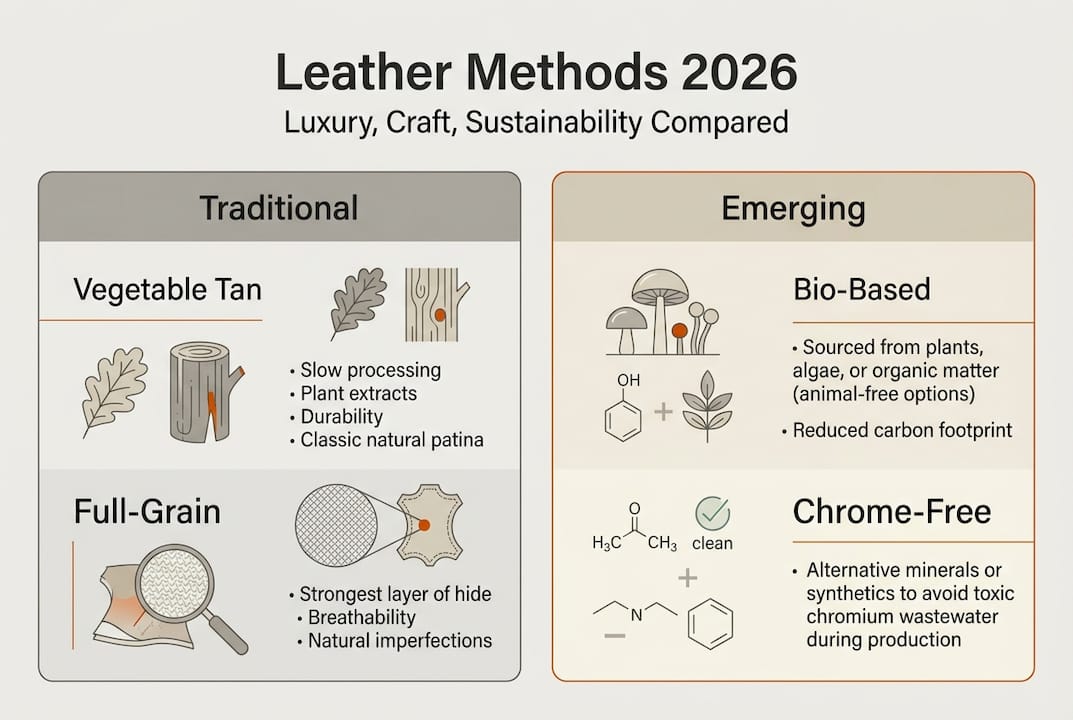
Vegetable tanning represents the gold standard for eco-conscious luxury leather production. This ancient process uses natural tannins extracted from tree bark, leaves, and plant matter to transform raw hides into supple, durable leather. Vegetable tanning produces biodegradable leather free from harmful chromium compounds, though the method requires significantly more time than industrial chromium tanning.
Italian brands maintain fierce commitment to vegetable tanning despite its slower pace and higher costs. The process typically spans several weeks as hides gradually absorb tannins in carefully controlled conditions. This patience yields leather with rich, warm tones that deepen beautifully with age, developing a distinctive patina that synthetic treatments cannot replicate.
Craftsmanship ensures every travel leather piece meets exacting durability and aesthetic standards. Skilled artisans inspect each hide for imperfections, selecting only premium sections for visible surfaces. They hand-cut patterns to maximise material efficiency whilst ensuring grain direction aligns for strength. Stitching follows precise spacing and tension requirements that prevent premature wear.
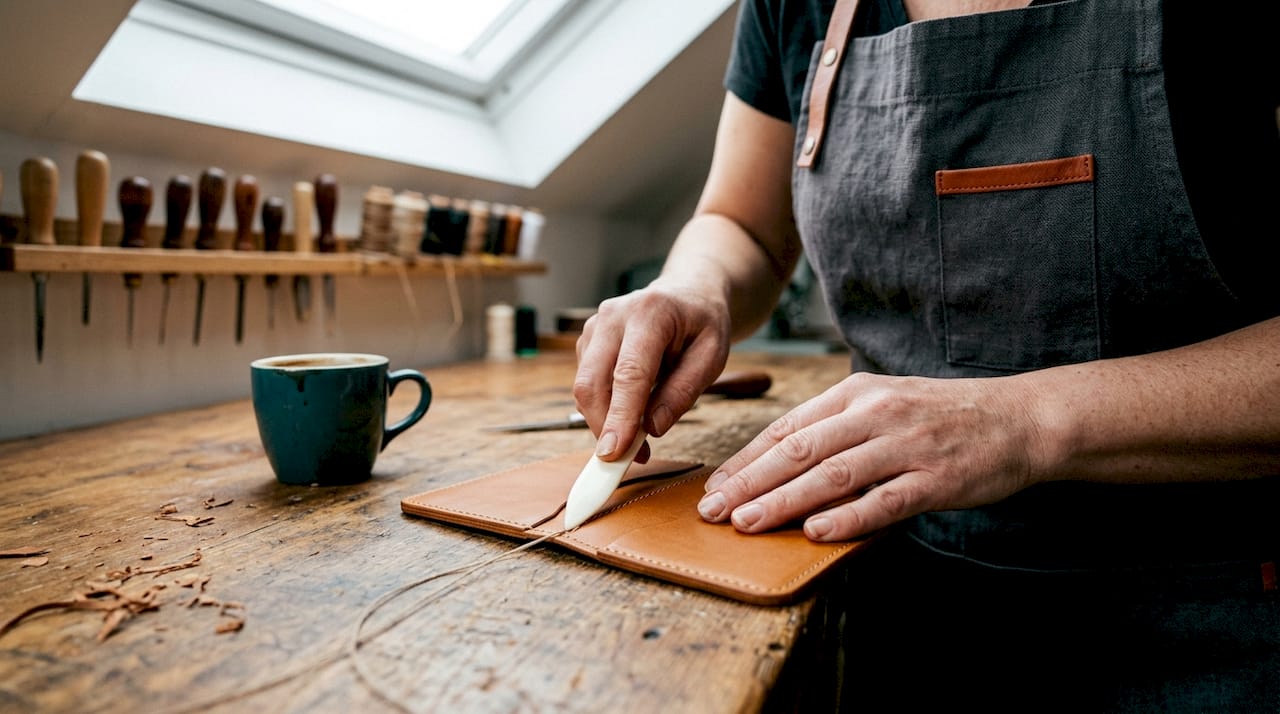
Timeless design features distinguish luxury travel leather from trendy alternatives. Classic silhouettes with clean lines remain stylish across decades rather than seasons. Proportions balance functionality with elegance, providing practical storage without bulk. Hardware in brushed metals complements leather tones whilst resisting tarnish. These considered details ensure pieces transition seamlessly from casual travel to formal occasions.
Material quality forms the foundation of luxury leather accessories. Full-grain leather retains the hide’s natural surface, including subtle variations that prove authenticity. This top layer offers superior strength and breathability compared to corrected or split leathers. Premium hides come from carefully raised animals, with Italian tanneries often sourcing from controlled European herds.
The best leather bag companies share common traits: transparent sourcing, skilled artisan workforces, and multi-generational expertise. They invest in training programmes that preserve traditional techniques whilst incorporating modern quality control. This combination produces travel leather goods that withstand years of use whilst maintaining their original beauty.
Pro Tip: Examine stitching quality by checking for consistent spacing and tight, even tension, as hand-stitched or machine-stitched pieces from skilled artisans show no loose threads or irregular patterns that indicate rushed production.
Comparing traditional and emerging sustainable leather methods
Vegetable tanning stands as the most established eco-friendly method, yet emerging alternatives challenge its dominance. Zeolite and starch-based tanning offer promising environmental benefits whilst addressing some limitations of traditional plant-based processes. Each method presents distinct advantages and trade-offs affecting sustainability, aesthetics, and practical performance.
Chromium tanning dominates global leather production due to speed and cost efficiency, processing hides in hours rather than weeks. However, chromium compounds pose environmental and health risks when improperly managed. Wastewater from chromium tanneries requires careful treatment to prevent toxic contamination. Many luxury brands actively phase out chromium methods in favour of cleaner alternatives.
The Italian industry balances tradition with innovation by investing in research whilst maintaining vegetable tanning expertise. Some tanneries operate dual systems, using vegetable methods for premium lines and exploring zeolite alternatives for specific applications. This approach preserves artisan knowledge whilst developing next-generation sustainable processes.
| Tanning Method | Biodegradability | Chemical Safety | Processing Time | Aesthetic Quality |
|---|---|---|---|---|
| Vegetable | Fully biodegradable | Natural plant extracts | 4-8 weeks | Rich, warm tones with patina |
| Chromium | Limited breakdown | Toxic if mismanaged | 24-48 hours | Uniform colour, softer feel |
| Zeolite | Enhanced biodegradability | Mineral-based, safer | 1-2 weeks | Promising, still developing |
| Starch-based | Fully biodegradable | Food-grade materials | 2-3 weeks | Similar to vegetable tanning |
Durability varies across methods, with vegetable-tanned leather often outlasting chromium alternatives when properly maintained. The natural tannins create stronger molecular bonds that resist degradation. Vegetable-tanned pieces develop character through use, with scratches and marks blending into the patina rather than appearing as damage.
Cost considerations affect accessibility, as vegetable and emerging methods require more time and specialised knowledge. Premium travel leather accessories using these techniques command higher prices that reflect true production costs. However, superior longevity often makes them more economical over decades of use compared to cheaper alternatives requiring frequent replacement.
The Italian leather sustainability impact extends beyond tanning methods to encompass water management, energy sources, and waste reduction. Leading tanneries recycle process water, install solar panels, and repurpose leather scraps for smaller accessories. This holistic approach addresses environmental concerns across the entire production cycle.
Pro Tip: Request information about a brand’s specific tanning method before purchasing, as knowing whether your travel leather uses vegetable, zeolite, or other processes helps you understand its environmental footprint and care requirements for optimal longevity.
Choosing the perfect travel leather accessories for timeless style and sustainability
Selecting Italian travel leather pieces requires evaluating multiple factors that determine long-term satisfaction. Italian production generates 4.6 billion EUR annually producing approximately 110 million square metres of leather using increasingly sustainable methods. This scale provides abundant choices, yet quality varies significantly even among Italian-made goods.
-
Verify the tanning method by requesting specific information from the brand or retailer. Vegetable-tanned leather offers superior environmental credentials and develops beautiful patina. Look for transparency about tannery locations and processes, as reputable makers willingly share this information.
-
Examine craftsmanship through close inspection of stitching, edge finishing, and hardware attachment. Hand-finished edges show smooth, polished surfaces without rough spots. Metal components should sit flush and secure, with no gaps or wobbling that indicate poor assembly.
-
Assess leather quality by checking for full-grain designation and natural surface variations. Premium hides display subtle marks and grain patterns proving authenticity. Avoid overly uniform surfaces suggesting corrected leather with artificial embossing.
-
Evaluate design timelessness by considering whether the piece suits multiple contexts and remains stylish beyond current trends. Classic proportions, neutral colours, and minimal branding ensure versatility. Functional features like secure closures and practical compartments enhance daily utility.
-
Research brand sustainability commitments beyond marketing claims. Look for specific certifications, published environmental reports, or documented partnerships with eco-focused organisations. Genuine commitment shows in measurable actions rather than vague statements.
-
Consider care requirements and long-term maintenance needs. Quality vegetable-tanned leather requires periodic conditioning but rewards proper care with decades of use. Understand cleaning methods and storage recommendations before purchasing to ensure you can maintain the piece appropriately.
Sustainability certifications provide valuable guidance when evaluating travel leather accessories. The Leather Working Group rates tanneries on environmental performance, whilst other programmes verify organic or chemical-free processing. These third-party assessments offer objective measures of a brand’s ecological practices.
The choosing luxury leather luggage process benefits from understanding how different leather types age. Vegetable-tanned pieces darken and develop rich patina, whilst chromium-tanned items maintain original colours longer. Your aesthetic preferences regarding ageing characteristics should influence selection.
Proper care extends the life of travel leather accessories dramatically. Regular conditioning with appropriate products maintains suppleness and prevents cracking. Store pieces in breathable dust bags away from direct sunlight and extreme temperatures. Address scratches promptly using leather cream or professional restoration services for significant damage.
Pro Tip: Invest in pieces with replaceable components like straps or hardware, as this design consideration allows you to refresh worn elements rather than replacing the entire accessory, maximising both sustainability and value over time.
Experience authentic Italian luxury leather with San Rocco Italia
San Rocco Italia embodies the principles explored throughout this guide, offering authentic Italian craftsmanship in luxury travel leather accessories. Their woman-owned boutique curates collections that reflect both timeless design and genuine sustainability commitments. Each piece showcases the expert artisan techniques and premium full-grain leather that define true Italian luxury.
Their handbag and leather goods collection features items proudly made in Italy using traditional methods combined with modern environmental consciousness. You’ll discover travel accessories that balance aesthetic sophistication with practical durability, designed to accompany you through years of adventures whilst developing distinctive character. The carefully selected European makers represented in their broader collection share the same commitment to quality, authenticity, and style that discerning women value.
Explore their curated selection to find pieces embodying the craftsmanship, sustainability, and timeless elegance discussed in this guide, with expert guidance available to help you select accessories perfectly suited to your travel needs and personal values.
FAQ
Is travel leather environmentally friendly?
Travel leather’s environmental impact depends entirely on production methods. Vegetable tanning creates biodegradable leather free from harmful chromium chemicals, offering significant environmental advantages over conventional chromium processing. This ancient technique uses natural plant extracts that break down safely in ecosystems. Italian producers increasingly adopt vegetable tanning alongside emission reduction programmes, making modern luxury leather substantially more eco-conscious than previous generations. However, leather production still requires resources, so choosing pieces built for decades of use maximises sustainability.
How can I tell if travel leather is sustainably made?
Look for vegetable tanning specifications, third-party certifications like Leather Working Group ratings, and transparent brand communication about tannery locations and processes. Reputable makers willingly share detailed production information and environmental commitments. Sustainable Italian leather typically features full-grain construction and timeless designs that discourage frequent replacement. Check for published sustainability reports or documented partnerships with environmental organisations. Durability itself serves as a sustainability marker, as pieces lasting decades reduce overall consumption compared to cheaply made alternatives requiring regular replacement.
What are the benefits of Italian craftsmanship in travel leather?
Italian leather goods combine expert craftsmanship with sustainability efforts, resulting in durable and elegant travel accessories that withstand years of use. Skilled artisans apply generations of knowledge to every piece, ensuring superior quality standards in material selection, construction techniques, and finishing details. The best Italian leather companies maintain rigorous training programmes preserving traditional methods whilst incorporating modern innovations. This dedication produces accessories with unmatched attention to detail, from perfectly aligned stitching to hand-finished edges. Italian craftsmanship also emphasises timeless aesthetics that remain stylish across decades rather than following fleeting trends.
How do I care for my travel leather accessories to ensure longevity?
Regular cleaning with soft, damp cloths removes surface dirt without damaging leather fibres. Condition vegetable-tanned pieces every few months using appropriate leather cream to maintain suppleness and prevent cracking. Store accessories in breathable dust bags away from direct sunlight, which causes fading and drying. Avoid prolonged exposure to moisture, allowing pieces to air dry naturally if they get wet. The expert guidance on luxury leather luggage includes specific care recommendations for different leather types. Address scratches promptly with leather cream, buffing gently to blend marks into the developing patina. Professional restoration services can refresh heavily worn pieces, extending their useful life by decades.
Recommended
- 7 Expert Tips for Choosing Luxury Leather Luggage – San Rocco Italia
- The Essential Guide to Leather & Luggage – San Rocco Italia
- 10 Best Leather Travel Bags for Every Stylish Journey – San Rocco Italia
- Luxury vs Mass-Produced Bags: Complete Comparison Guide – San Rocco Italia
- Opal supply chain: Australian sourcing & ethics 2026 - Australian Opal Direct
