


Leather polish for bags: preserve luxury style in 2026
Your luxury leather handbag deserves care that matches its quality. Many women struggle with maintaining their bags’ beauty, unsure whether to use polish, conditioner, or both. The wrong approach can dull the leather or damage its natural character. This guide explains exactly how to use leather polish properly, ensuring your Italian crafted handbag retains its timeless elegance for years.
Table of Contents
- Understanding Leather Polish And Its Role
- Preparing Your Luxury Handbag For Polishing
- Step By Step Guide To Applying Leather Polish
- Common Mistakes And Troubleshooting Tips
- Expected Results And Maintaining Your Handbag’s Patina
- Discover Premium Italian Leather Care Products
Key takeaways
| Point | Details |
|---|---|
| Polish versus conditioner | Polish provides surface protection and shine, whilst conditioner nourishes leather from within. |
| Test before applying | Always test polish on a hidden area first to prevent darkening or damage to delicate leather. |
| Minimal care works best | Restrained, consistent routines preserve leather better than frequent aggressive treatments. |
| Natural ingredients preferred | Products with natural components protect luxury leather without compromising patina development. |
| Unsuitable leather types | Never use polish on suede, nubuck, or fully aniline leather as it causes irreversible damage. |
Understanding leather polish and its role
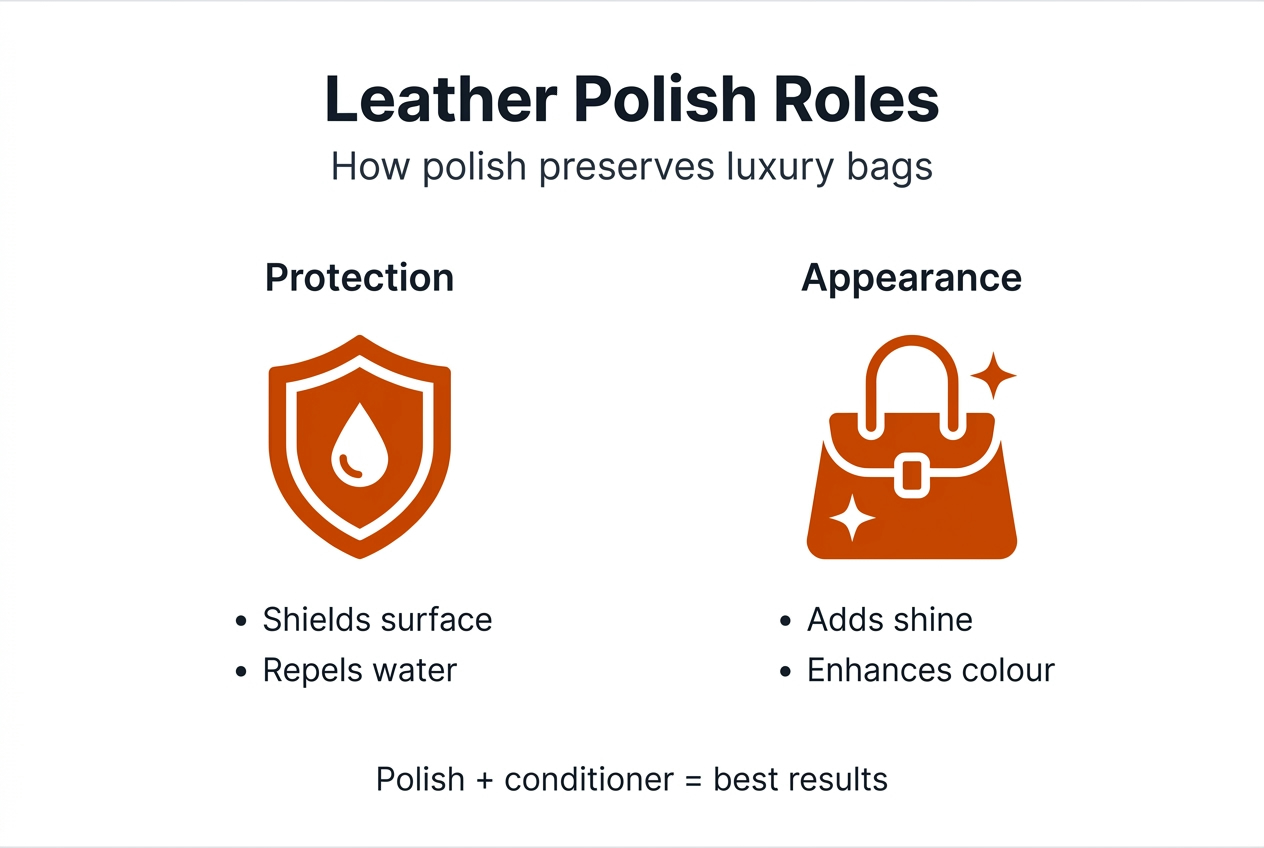
Leather polish and conditioner serve entirely different purposes, though many people use them interchangeably. The core difference is that conditioner works inside leather to maintain health, whilst polish works on top to provide shine and protection. Polish creates a protective barrier on the leather surface, shielding your handbag from environmental damage such as moisture, dust, and UV exposure.
For luxury handbags showcasing Italian craftsmanship, polish preserves the bag’s refined appearance whilst highlighting the leather’s natural grain. Full grain leather used in premium bags develops character over time, and polish enhances this process when used correctly. Think of polish as a protective coat that maintains the leather’s exterior beauty, complementing the nourishment provided by the best leather conditioner.
Understanding this distinction prevents common mistakes:
- Polish adds shine and creates a protective layer on the surface
- Conditioner penetrates leather to maintain suppleness and prevent cracking
- Using only polish without conditioning leads to dry, brittle leather
- Using only conditioner without polish leaves leather vulnerable to surface damage
- Quality bags need both products applied at appropriate intervals
The two products work together to preserve your handbag’s beauty and structural integrity. Polish protects what conditioner nourishes, creating a complete care system for luxury leather.
Preparing your luxury handbag for polishing
Proper preparation ensures polish enhances rather than harms your handbag. Start by cleaning your leather bag to remove surface dirt, oils, and residue that could interfere with polish absorption. Use a slightly damp soft cloth to wipe the entire bag gently, then allow it to dry completely before applying any polish.
Certain leather types should never receive polish treatment. Avoid using polish on suede, nubuck, or fully aniline leather as these materials have different surface characteristics that polish can damage. Aniline leather, prized for its natural appearance, absorbs polish unevenly and may darken permanently. If you’re uncertain about your bag’s leather type, check the manufacturer’s care label or consult the brand directly.
Testing polish on an inconspicuous area is essential before full application:
- Select a hidden spot such as the bag’s bottom corner or inside a pocket
- Apply a tiny amount of polish with a soft cloth
- Wait 24 hours to observe any colour change or texture alteration
- Check for darkening, which commonly occurs with faded or aged leather
- Only proceed with full application if the test area shows no adverse effects
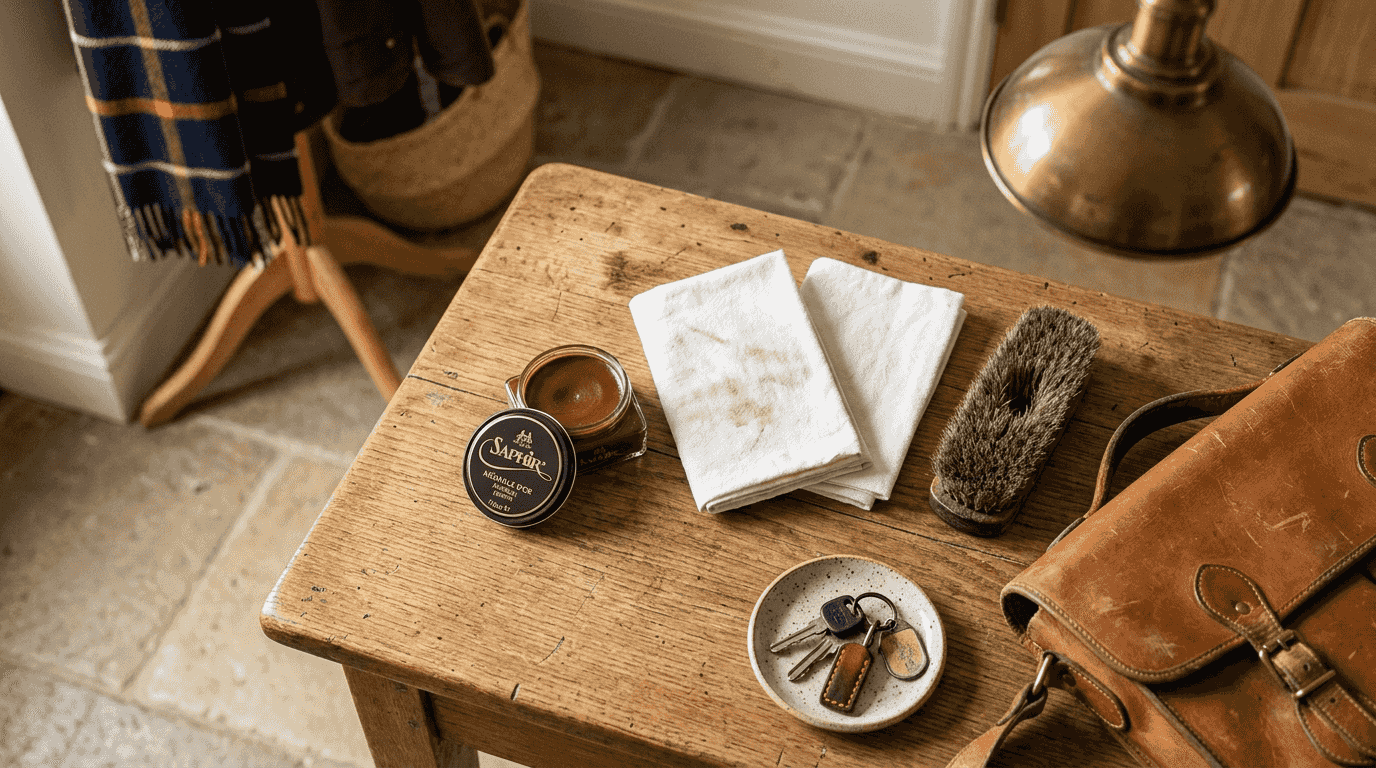
Pro Tip: Gather lint free cotton cloths, a soft horsehair brush, and your chosen polish before starting. Work in good lighting so you can see the leather’s reaction clearly. Using minimal product prevents oversaturation and allows you to build coverage gradually for better control.
Step by step guide to applying leather polish
Applying leather polish requires patience and a light touch for optimal results. Start with a clean, dry handbag and work in a well ventilated area with adequate lighting. Take a small amount of polish, roughly the size of a pea, and apply it to your soft cloth rather than directly onto the bag.
Follow this sequence for best results:
- Work on one small section at a time, about the size of your palm
- Apply polish using gentle circular motions, spreading it thinly and evenly
- Pay attention to areas that show wear or dullness, but avoid oversaturating
- Allow the polish to absorb for 10 to 15 minutes before proceeding
- Buff the section gently with a clean, dry cloth using light circular movements
- Move to the next section and repeat until you’ve covered the entire bag
- Let the bag rest for at least an hour before using or storing
Restraint is key in leather care, as minimal and consistent routines preserve leather better than aggressive treatments. Over polishing clogs leather pores, preventing it from breathing properly and leading to a plasticky appearance. Most luxury handbags only need polishing two to four times yearly, depending on use frequency and storage conditions.
Watch for signs you’re using too much product. If the leather looks greasy or sticky after application, you’ve applied excessive polish. The surface should appear slightly enhanced but still natural, not artificially glossy. Quality leather polish for purses should absorb within 20 minutes, leaving a subtle sheen.
Pro Tip: Polish your handbag in the evening and allow it to rest overnight before use. This gives the product maximum time to absorb and settle. Store the bag in its dust cover after polishing to protect the freshly treated surface from dust and light exposure.
Common mistakes and troubleshooting tips
Many well intentioned care routines actually damage luxury leather through excessive treatment. Over conditioning represents one of the most common errors. Whilst leather needs moisture to remain supple, constant management often harms more than helps. Too much polish or conditioner saturates the leather, making it soft, loose, and prone to stretching.
Avoid these frequent pitfalls:
- Applying polish to dirty leather, which locks in grime and accelerates deterioration
- Using polish meant for shoes on delicate handbag leather
- Polishing in direct sunlight or near heat sources that affect absorption
- Buffing aggressively, which can scratch or burnish the leather unevenly
- Mixing different polish brands in the same session
If you’ve applied too much polish, act quickly to minimise damage. Blot excess product immediately with a clean, dry cloth using gentle pressing motions rather than rubbing. Allow the bag to air dry naturally for 24 hours, then assess whether additional cleaning is needed. Sometimes a slightly damp cloth can lift surface residue without requiring harsh cleaners.
Incorrect leather type matching causes irreversible problems. Polish darkens most leather slightly, but the effect becomes pronounced on light coloured or faded bags. Suede and nubuck leather have raised fibres that polish flattens permanently, destroying their characteristic texture. When in doubt, proper storage prevents many issues that prompt reactive over polishing.
Leather lasts longest when respected, not managed constantly. Avoiding the wrong actions often matters more than finding the perfect product or routine.
This philosophy guides effective leather care. Your handbag doesn’t need constant intervention. Trust the quality of Italian craftsmanship and support it with gentle, sparing treatments rather than frequent applications.
Expected results and maintaining your handbag’s patina
Patina refers to the natural ageing process that gives luxury leather its unique character and depth. Quality full grain leather develops richer tones, subtle colour variations, and a soft lustre over time. Proper polishing preserves and enhances this patina rather than masking it, allowing your handbag to age gracefully whilst maintaining protection.
When you polish correctly, expect these improvements:
- Enhanced colour depth that highlights the leather’s natural grain
- Subtle, sophisticated sheen rather than artificial gloss
- Better resistance to water spots and minor scratches
- More even appearance as polish fills tiny surface imperfections
- Maintained suppleness when combined with appropriate conditioning
The difference between cared for and neglected leather becomes obvious over time:
| Aspect | Untreated leather | Properly polished leather |
|---|---|---|
| Surface appearance | Dull, dry, potentially cracked | Rich, subtle sheen, even tone |
| Colour vibrancy | Faded, lacklustre | Deep, enhanced natural hues |
| Water resistance | Absorbs moisture quickly | Beads water on surface |
| Patina development | Uneven, blotchy ageing | Graceful, uniform character |
| Structural integrity | Prone to cracking | Flexible, durable |
| Expected lifespan | 5 to 10 years | 20+ years with care |
Your polishing routine should align with Italian craftsmanship values that prioritise longevity and timeless beauty. Regular but minimal care allows leather to breathe and age naturally whilst protecting against environmental damage. Consider polishing after exposure to harsh weather or when the leather appears particularly dry, but resist the urge to polish on a rigid schedule regardless of need.
Combine polishing with proper cleaning techniques for comprehensive care. Clean before you polish, condition between polish applications, and store your handbag properly when not in use. This holistic approach preserves the investment you made in quality Italian leather whilst celebrating the bag’s evolving character.
Discover premium Italian leather care products
Now that you understand proper leather polishing techniques, finding quality products becomes essential. San Rocco Italia offers carefully curated leather care solutions that honour Italian craftsmanship traditions whilst delivering modern protection. Every product in our collection meets rigorous standards for natural ingredients and effectiveness on luxury leather.
Our leather care range includes polishes and conditioners specifically formulated for premium handbags, developed by artisans who understand full grain leather’s unique needs. We provide detailed guidance through our blog and customer service, ensuring you feel confident caring for your investment pieces. Whether you own a San Rocco Italia handbag or another luxury brand, our authentic care products help preserve timeless style and extend your bag’s lifespan through gentle, effective treatments.
FAQ
What is the best leather polish for bags?
The best polishes contain natural ingredients that condition and protect without damaging patina development. Saphir brand products are highly regarded for luxury leather care, using beeswax and carnauba wax that nourish whilst providing protection. Always choose polish specifically formulated for handbags rather than shoes, as the leather types and finish requirements differ significantly.
How often should I polish my luxury handbag?
Polish sparingly, typically two to four times yearly depending on use frequency and storage conditions. Bags used daily in harsh weather may need quarterly polishing, whilst occasional use bags might only need treatment twice annually. Minimal and consistent routines preserve leather better than frequent aggressive treatments. Avoid over conditioning, which compromises leather’s natural breathability and patina.
Can I use leather polish on all types of leather?
Polish is unsuitable for suede, nubuck, or fully aniline leather as it damages these delicate surfaces. Aniline leather may darken permanently, whilst suede and nubuck lose their characteristic texture when polish flattens the fibres. Always perform a patch test on a hidden area before full application, even on standard smooth leather. Some faded or aged leather darkens noticeably when polished, so testing prevents unwanted colour changes.
Does leather polish prevent water damage?
Polish creates a protective barrier that helps water bead on the surface rather than absorbing immediately, providing moderate water resistance. However, polish alone won’t make your bag waterproof. Avoid prolonged exposure to rain or moisture regardless of polishing. If your bag gets wet, blot it gently with a soft cloth and allow it to air dry naturally away from heat sources.
What’s the difference between cream and wax polish?
Cream polish contains more conditioning agents and penetrates slightly into the leather, providing both nourishment and surface protection. Wax polish sits primarily on the surface, creating a harder protective layer and higher shine. For luxury handbags, cream polish often works better as it maintains leather suppleness whilst protecting. Wax polish suits bags needing extra weather protection but can build up if applied too frequently.
Recommended
- Leather Polish for Handbags: Protecting Italian Craftsmanship – San Rocco Italia
- Best Leather Conditioner for Bags – Preserving Luxury – San Rocco Italia
- Leather Handbag Cleaner: Expert Guide to Pristine Luxury Bags – San Rocco Italia
- How to Store Leather Handbags for Longevity and Care – San Rocco Italia
- How to personalize luxury travel in 2026: 7 steps



