


How to clean cream leather bag for lasting elegance
Cream leather bags exude timeless elegance, but their delicate nature makes them vulnerable to daily damage from oils, dirt, and moisture. Many owners unknowingly use harsh cleaners or incorrect techniques that strip the leather’s protective finish, leading to irreversible dullness and cracking. This guide reveals expert-approved methods to safely clean, condition, and preserve your luxury cream leather bag, ensuring it maintains its pristine appearance and value for years to come.
Table of Contents
- Introduction To Cream Leather Care
- Prerequisites: What You Need Before Cleaning
- Step-By-Step Cleaning Process For Cream Leather Bags
- Conditioning And Protection After Cleaning
- Common Mistakes And How To Avoid Them
- Alternative Approaches And Repairs
- Expected Results And Outcomes
- Discover Expert Leather Care Solutions At San Rocco Italia
- FAQ
Key takeaways
| Point | Details |
|---|---|
| Control environment | Maintain room humidity between 45% and 55% to prevent leather cracking and shrinking. |
| Act immediately on stains | Prompt spot treatment with specialised cleaner reduces permanent damage risk by 80%. |
| Avoid household products | Never use household wipes or abrasive tools like Magic Erasers that strip protective finishes. |
| Condition regularly | Apply leather conditioner every 3 to 6 months to extend bag lifespan by up to 5 years. |
| Seek professional help | Heavy stains or deep ingrained dirt require professional restoration to preserve luxury finish. |
Introduction to cream leather care
Cream leather possesses a natural beauty that demands specialised attention. Its inherent absorbency makes it particularly susceptible to staining from body oils, environmental dirt, and moisture exposure. Unlike darker leathers that mask minor imperfections, cream surfaces reveal every mark and discolouration, requiring vigilant care to maintain their flawless appearance.
The structure of premium full-grain leather used in luxury bags contains natural oils that keep it supple and resilient. When these oils diminish through cleaning or environmental exposure, the leather becomes brittle and prone to cracking. Maintaining humidity between 45% and 55% prevents excessive drying that leads to structural damage.
Several factors accelerate wear on cream leather bags:
- Direct sunlight exposure causes fading and weakens leather fibres over time
- Fluctuating humidity levels create expansion and contraction that stresses seams
- Body oils and hand lotions transfer to handles and edges, creating dark patches
- Environmental pollutants in urban areas deposit grime that embeds in leather pores
- Improper storage in damp or overly dry conditions compromises leather integrity
Understanding these vulnerabilities helps you implement protective measures before damage occurs. Luxury bags crafted with Italian artisan techniques deserve maintenance routines that honour their craftsmanship. When you clean cream leather handbag naturally using appropriate methods, you preserve both the material quality and the investment value.
The pigmented finish on quality cream leather provides some protection against stains, but it requires gentle handling to avoid stripping this defensive layer. Consulting a comprehensive leather handbag cleaner expert guide ensures you select products formulated specifically for delicate pigmented surfaces rather than relying on generic solutions that may cause harm.
Prerequisites: what you need before cleaning
Proper preparation prevents leather damage and ensures effective cleaning results. Before touching your cream leather bag with any cleaning product, you must establish the correct environment and gather appropriate supplies.
Environmental control forms the foundation of leather preservation. Your cleaning space should maintain stable conditions that prevent moisture damage or excessive drying. Room humidity between 45% and 55% creates optimal conditions for leather to remain flexible without absorbing excess moisture that causes watermarks.
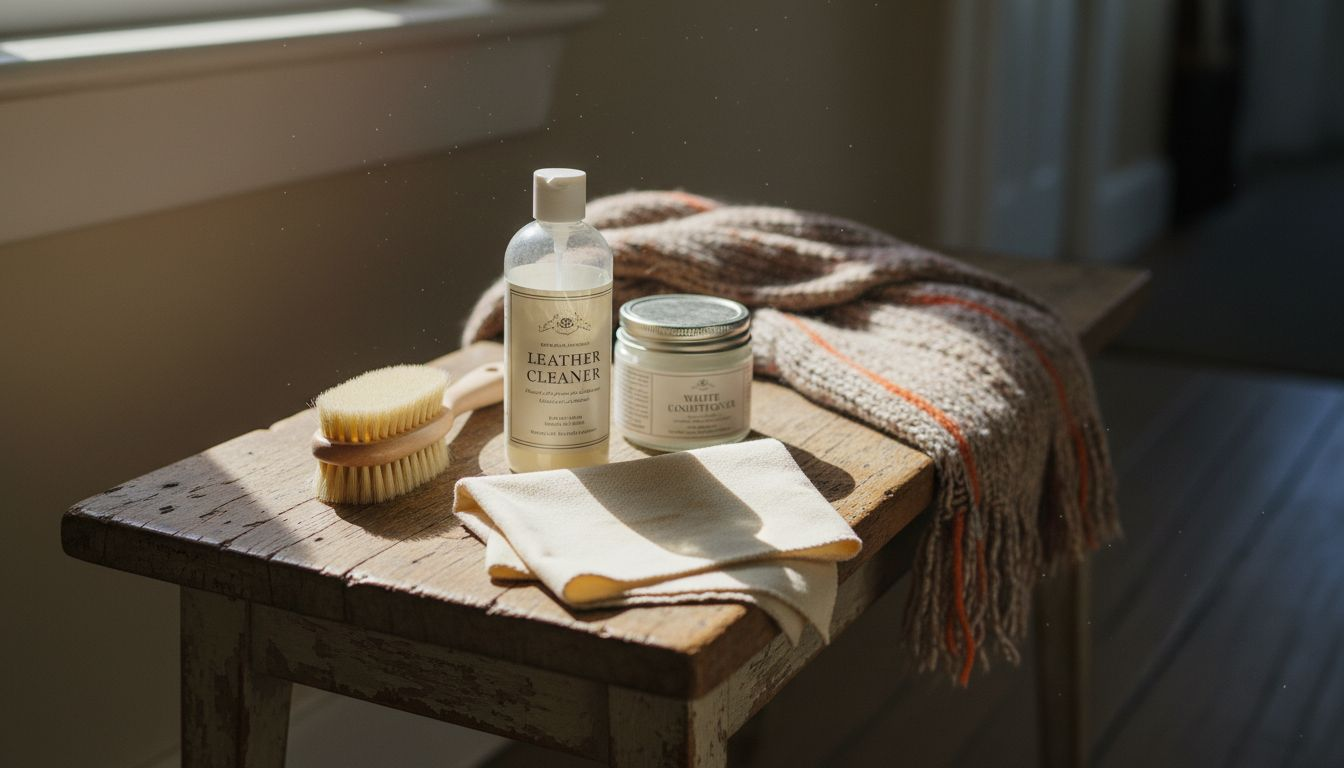
Essential supplies for safe cream leather cleaning:
- Soft, lint-free microfibre cloths that won’t scratch delicate surfaces
- Specialised pigmented leather cleaner formulated for cream-coloured full-grain leather
- Non-abrasive natural sponge designed specifically for leather applications
- Premium leather conditioner containing oils that match leather’s natural composition
- Soft-bristled brush for gentle dust removal from textured areas
- Clean water at room temperature for diluting cleaner if needed
| Supply Category | Recommended Type | Why It Matters |
|---|---|---|
| Cleaning Cloth | Lint-free microfibre | Prevents scratching and fibre transfer to leather |
| Cleaner | pH-balanced leather-specific | Preserves protective topcoat without stripping oils |
| Sponge | Natural non-abrasive | Allows gentle circular application without damage |
| Conditioner | Oil-replenishing formula | Restores natural oils lost during cleaning |
| Brush | Soft natural bristles | Removes dust from seams without scratching |
Never substitute household cleaning products for leather-specific formulations. Common wipes and multi-surface cleaners contain alkaline compounds that break down leather’s protective finish. Similarly, avoid products marketed for suede or nubuck, as these textures require different pH levels than pigmented cream leather.
Selecting the best leather conditioner bags need involves checking ingredient lists for natural oils like jojoba, lanolin, or beeswax. These components most closely mimic leather’s inherent oils and absorb effectively without leaving greasy residue. Quality leather cream for bags should feel light and spreadable, not thick or waxy.
Test any new product on an inconspicuous area before applying it to visible surfaces. The interior pocket or bottom edge provides a safe testing spot where potential discolouration won’t show during normal use.
Step-by-step cleaning process for cream leather bags
Executing the cleaning process with precision protects your bag whilst removing accumulated dirt and oils. Following professional techniques ensures thorough cleaning without compromising leather integrity.
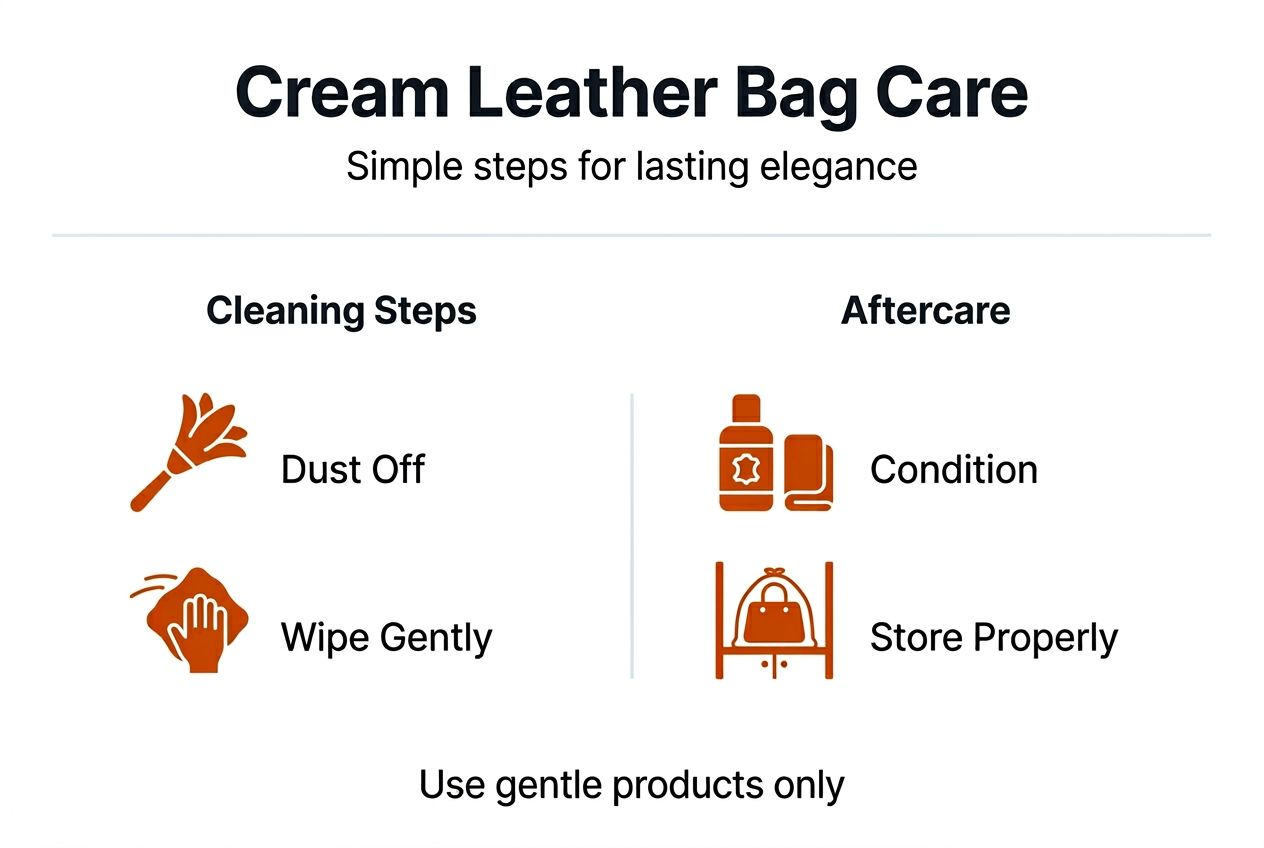
- Remove all contents from your bag and shake gently to dislodge loose debris from interior pockets and seams.
- Use a soft, dry cloth to wipe down all exterior surfaces, removing surface dust and preventing it from turning muddy when cleaner is applied.
- Examine the entire bag under good lighting to identify problem areas requiring spot treatment, including handles, corners, and bottom panels where dirt accumulates.
- Dampen a clean microfibre cloth with specialised leather cleaner, wringing thoroughly so the cloth is barely moist rather than wet.
- Work in small sections using gentle circular motions, applying minimal pressure to lift dirt without saturating the leather.
- Immediate spot treatment reduces permanent staining risk by 80%, so address any marks as soon as you notice them during cleaning.
- Wipe each cleaned section with a separate damp cloth to remove cleaner residue, then immediately dry with a soft towel.
- Allow the bag to air dry naturally in a shaded, well-ventilated area away from direct heat sources or sunlight for at least 2 hours.
- Check for any remaining marks once fully dry, repeating spot treatment if necessary before proceeding to conditioning.
Professional leather specialists emphasise the importance of multi-stage cleaning processes that remove ingrained dirt whilst replenishing essential oils. This approach prevents the drying effect that occurs when dirt is removed without replacing the protective oils it displaced.
Pro Tip: Never rub stains aggressively, as this drives contaminants deeper into leather pores and can damage the grain structure. Gentle dabbing lifts most stains effectively without spreading them to clean areas.
The key to successful cleaning lies in restraint. Many people over-saturate leather thinking more moisture equals better cleaning, but excess water creates its own staining problems. Watermarks form when moisture penetrates unevenly and leaves mineral deposits as it evaporates.
When addressing specific stain types, adjust your technique slightly. Oil-based stains respond to gentle blotting with a dry cloth before applying cleaner, whilst water-based marks may need slightly more moisture during treatment. Understanding how to clean white leather purse safely applies equally to cream leather, as both require delicate handling to prevent discolouration.
For bags acquired second-hand, the principles of how to clean leather purse safely from unknown previous care become especially important, as you don’t know what products may have been used previously.
Conditioning and protection after cleaning
Cleaning removes dirt along with some of leather’s natural oils, making conditioning essential for maintaining suppleness and preventing premature ageing. This critical step restores moisture balance and creates a protective barrier against future damage.
Apply conditioner only after leather has completely dried from cleaning, typically 2 to 3 hours later. Using a clean, soft cloth, dispense a small amount of conditioner and warm it between your palms before application. This step helps the product spread evenly and penetrate more effectively.
Work conditioner into leather using small circular motions, applying thin, even layers rather than thick coats. Focus on high-stress areas like handles, corners, and closure straps that experience frequent flexing and contact. Conditioning every 3 to 6 months replenishes oils and prevents cracking, extending your bag’s lifespan significantly.
Pro Tip: Less is more with leather conditioner. A coin-sized amount suffices for an entire handbag. Excess product sits on the surface, attracting dust and creating sticky patches that worsen over time.
Allow conditioner to absorb for 20 to 30 minutes, then buff away any remaining surface product with a clean, dry cloth. The leather should feel soft and slightly enriched but never greasy or tacky. If stickiness persists, you’ve applied too much and should remove excess immediately.
Protection strategies beyond conditioning:
- Store bags in breathable cotton dust covers rather than plastic, which traps moisture
- Position storage away from windows and heat sources to prevent UV damage and drying
- Use leather-safe UV protectant sprays formulated for pigmented leather if your bag sees frequent outdoor use
- Stuff bags with acid-free tissue paper to maintain shape during storage
- Rotate usage among multiple bags to allow leather rest periods for natural oil redistribution
The best leather conditioner bags receive contains ingredients that match leather’s natural oil composition. Products with jojoba oil, lanolin, or beeswax provide deep nourishment without altering colour or finish. Discovering the best leather cream luxury handbags deserve often requires trying premium formulations specifically developed for high-end Italian leather goods.
Consistent conditioning creates cumulative benefits. Bags maintained with regular treatments develop a patina that enhances character whilst remaining soft and pliable for decades.
Common mistakes and how to avoid them
Even well-intentioned care routines can damage cream leather when built on misconceptions about proper cleaning methods. Recognising these errors before they occur protects your investment from irreversible harm.
Household wipes and alkaline cleaners represent the most frequent mistake. These products contain harsh surfactants and high pH levels that strip leather’s protective topcoat, leaving it vulnerable to rapid deterioration. The initial clean appearance quickly gives way to dullness, dryness, and accelerated cracking.
Abrasive tools like Magic Erasers work through micro-abrasion, physically removing surface material to eliminate marks. On leather, this process strips away the pigmented finish and protective polish, creating permanent dull patches that cannot be restored without professional re-finishing.
Critical mistakes to avoid:
- Saturating leather with water or cleaner, which causes watermarks and uneven drying patches
- Skipping immediate spot treatment when stains occur, allowing them to set permanently
- Using heat sources like hairdryers to speed drying, which causes leather to shrink and crack
- Applying conditioner to dirty leather, which seals in contaminants and prevents proper cleaning
- Storing damp bags before complete drying, creating ideal conditions for mould growth
- Using coloured cloths that may transfer dye to cream leather during cleaning
Delay between staining and treatment dramatically reduces cleaning success rates. Fresh stains respond to gentle cleaning, whilst set-in marks often require aggressive treatments that risk leather damage. Act within minutes when spills occur rather than waiting for your next scheduled cleaning session.
Many people mistakenly believe natural remedies like vinegar or lemon juice provide safe cleaning alternatives. These acidic substances alter leather’s pH balance and can cause permanent discolouration or brittleness. Stick with products specifically formulated for leather rather than experimenting with kitchen ingredients.
The temptation to scrub stubborn marks aggressively often backfires. Excessive pressure damages leather grain structure, creating rough patches and potentially wearing through the pigmented layer to expose raw leather beneath. Consulting a leather handbag cleaner expert guide prevents these common pitfalls by providing tested, safe alternatives.
Alternative approaches and repairs
Despite careful maintenance, cream leather bags sometimes sustain damage requiring intervention beyond routine cleaning. Understanding repair options helps you make informed decisions about restoration versus replacement.
Minor scratches and surface scuffs often respond well to DIY repair products. Trade Secret Pro Leather Restore offers colour-matched solutions that fill shallow scratches and restore uniform appearance to damaged areas. These kits work best on superficial damage that hasn’t penetrated through the pigmented topcoat.
| Repair Approach | Best For | Pros | Cons |
|---|---|---|---|
| DIY Repair Kits | Minor scratches, small scuffs, colour fading | Low cost, immediate availability, no downtime | Risk of colour mismatch, limited to surface damage, requires steady application technique |
| Professional Restoration | Deep stains, extensive wear, structural damage | Expert colour matching, comprehensive treatment, warranty on work | Higher cost, requires shipping or drop-off, 1-3 week turnaround time |
| Preventive Maintenance | All bags regardless of condition | Extends lifespan by years, maintains value, prevents severe damage | Requires consistent schedule, ongoing product costs |
Professional leather restoration becomes necessary when damage extends beyond surface level. Deep scratches that expose raw leather, extensive colour loss, or structural issues like torn seams require specialist equipment and expertise. Professionals assess leather type, match dyes precisely, and apply multi-layer treatments that DIY products cannot replicate.
Consider these factors when choosing between DIY and professional repair:
- Severity of damage: Surface scratches favour DIY, whilst deep gouges need professional attention
- Bag value: Designer pieces worth thousands justify professional restoration costs
- Your skill level: Steady hands and attention to detail improve DIY outcomes
- Time constraints: Immediate needs may require quick DIY fixes before professional service
- Warranty concerns: Some luxury brands void warranties if non-authorised repairs are attempted
For guidance on broader leather care principles, exploring a comprehensive leather handbag cleaner expert guide provides context for when DIY methods suffice versus situations demanding professional intervention.
Pro Tip: Photograph damage before attempting any repair. These images document original condition and help professionals understand what occurred if you later seek expert restoration.
Some damage types lie beyond repair entirely. Extensive mould growth, severe chemical burns, or complete colour loss across large areas may make restoration economically unviable compared to replacement costs.
Expected results and outcomes
Implementing proper cleaning and conditioning routines produces measurable improvements in leather appearance and longevity. Understanding realistic expectations helps you evaluate your maintenance programme’s effectiveness.
Regular care preserves colour and suppleness for 3 to 5 years longer than neglected leather. This extension represents significant value preservation, as well-maintained luxury bags retain resale value whilst deteriorated pieces become worthless.
Visible improvements from proper maintenance:
- Restored uniform colour across all surfaces without dark patches or fading
- Soft, supple texture that flexes naturally without stiffness or cracking
- Clean appearance free from embedded dirt in grain patterns and seams
- Subtle sheen indicating proper oil content without greasy residue
- Reduced visibility of minor scratches and wear marks through conditioning
The 80% reduction in permanent staining from prompt treatment demonstrates the power of immediate action. Fresh stains lift easily with appropriate cleaners, whilst delayed treatment allows contaminants to chemically bond with leather fibres, creating permanent discolouration resistant to even professional cleaning.
Timeline for visible results varies by damage severity. Surface dirt removal shows immediate improvement, whilst deep conditioning benefits become apparent over 48 hours as oils fully penetrate and redistribute. Severely dried leather may require multiple conditioning treatments spaced weeks apart before optimal suppleness returns.
UV protection and proper storage prevent the gradual colour shift from cream to yellow that occurs with sun exposure. Bags stored correctly maintain their original shade for decades, whilst those left near windows fade noticeably within months.
Long-term outcomes of consistent maintenance:
- Maintained structural integrity with no loose stitching or separated panels
- Preserved hardware finish without tarnishing or corrosion from leather degradation
- Sustained flexibility allowing natural draping rather than stiff, box-like shape
- Enhanced patina development that adds character without looking worn
- Increased longevity reaching 15 to 20 years of regular use versus 5 to 7 without care
Realistic expectations acknowledge that some wear remains inevitable with regular use. Handle darkening from natural skin oils occurs gradually despite cleaning, and high-friction areas like corners show minor scuffing over time. These signs of gentle use differ from damage caused by neglect or improper cleaning.
Your cream leather bag should feel and look noticeably better after each cleaning session, with improvements persisting until dirt naturally reaccumulates. If leather feels sticky, looks uneven, or develops new problems after treatment, you’ve likely used incorrect products or techniques requiring immediate correction.
Discover expert leather care solutions at San Rocco Italia
Maintaining your cream leather bag’s pristine condition requires premium products formulated specifically for luxury materials. San Rocco Italia offers carefully curated leather care solutions that honour the artisan craftsmanship behind your investment pieces.

Our expert guides help you select the best leather conditioner bags need to preserve softness and prevent cracking. Each recommended product undergoes rigorous testing to ensure compatibility with delicate cream leather finishes.
Explore our comprehensive leather handbag cleaner expert guide for detailed advice on maintaining your collection’s elegance. We provide solutions that protect your investment whilst celebrating the timeless beauty of Italian leather craftsmanship.
FAQ
How often should I condition my cream leather bag?
Condition your bag every 3 to 6 months depending on usage frequency and climate conditions. Bags used daily or exposed to dry environments need more frequent treatment, whilst occasionally used pieces stored properly require less. Leather that feels dry or looks dull needs immediate conditioning regardless of schedule.
Can I use household wipes or cleaners on my cream leather bag?
Never use household wipes or multi-surface cleaners on leather bags. These products contain harsh chemicals and alkaline compounds that strip protective finishes, causing irreversible dullness and accelerated deterioration. Always choose cleaners specifically formulated for pigmented leather to preserve quality and appearance.
What should I do if my bag has stubborn stains or deep ingrained dirt?
Seek professional leather cleaning for severe stains, deep ingrained dirt, or extensive wear that resists home treatment. Specialists use multi-stage processes and commercial-grade products unavailable to consumers, safely removing difficult contamination without damaging luxury finishes. DIY attempts on serious damage often worsen the problem and reduce restoration success rates.
How do I prevent my cream leather bag from yellowing over time?
Store your bag away from direct sunlight and fluorescent lighting, which cause yellowing through UV exposure. Use breathable dust covers in climate-controlled spaces maintaining 45% to 55% humidity. Apply leather-safe UV protectant products before outdoor use, and clean promptly to prevent oxidation of oils that accelerates colour shift.
Is it safe to use water when cleaning cream leather bags?
Use water sparingly and only when properly diluted with leather cleaner. Never apply water directly to leather or saturate surfaces, as excess moisture causes watermarks, uneven drying patches, and potential mould growth. Slightly damp cloths work effectively for cleaning without the risks associated with wet leather.
