


Difference Between Calfskin and Lambskin – What Stylish Buyers Need to Know
Choosing between calfskin and lambskin is a defining moment for any European woman seeking a handbag that reflects both personal style and luxury. With so many options at your fingertips, understanding the subtle yet important differences between these two coveted leathers can influence not only elegance but long-term satisfaction. Whether you value exceptional durability or crave unmatched softness, this guide highlights the distinct qualities of both, empowering you to select the perfect piece for your collection.
Table of Contents
- Defining Calfskin And Lambskin Leathers
- Texture, Appearance, And Tactile Qualities
- Durability, Care Needs, And Longevity
- Best Uses In Handbags And Accessories
- Cost, Value, And Investment Factors
Key Takeaways
| Point | Details |
|---|---|
| Calfskin Durability | Calfskin is highly resistant to wear and tear, making it suitable for everyday use in structured accessories. |
| Lambskin Softness | Lambskin offers unmatched softness and fluidity, ideal for high-fashion, delicate pieces. |
| Maintenance Differences | Calfskin requires less maintenance compared to the more delicate lambskin, which needs careful storage and cleansing. |
| Investment Value | Calfskin tends to provide better long-term value due to its durability, while lambskin is prized for its luxurious feel and exclusivity. |
Defining Calfskin and Lambskin Leathers
Leather enthusiasts understand that not all animal hides are created equal. Calfskin and lambskin represent two distinctly luxurious leather types, each with unique characteristics that appeal to discerning fashion lovers. Young animal hides provide the foundation for these premium leather materials.
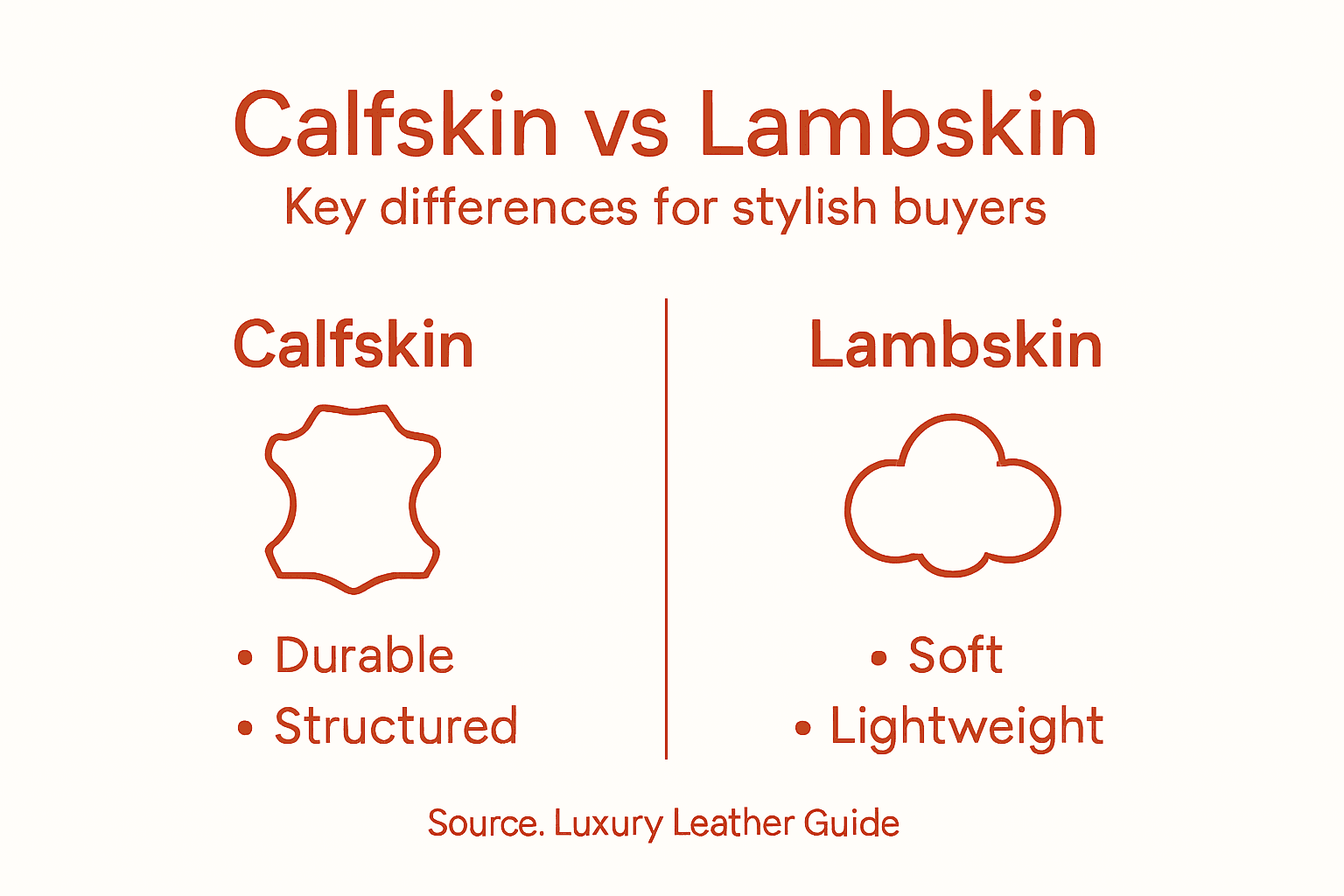
Calfskin, derived from young bovine hides typically aged between three and eight months, stands out for its exceptional durability. Its dense, thick fibres create a leather that resists abrasion, tearing, and stretching. The natural grain pattern gives calfskin a prominent texture and refined luster that signals quality craftsmanship.
By contrast, lambskin offers a dramatically different sensory experience. Lightweight and supple leather from young sheep hides provides an unparalleled softness that luxury fashion designers prize. Its fine grain and exceptional breathability make lambskin ideal for garments requiring maximum comfort and elegance.
Key differences between these premium leathers include:
- Texture: Calfskin is robust and slightly structured; lambskin is extraordinarily soft and fluid
- Thickness: Calfskin tends to be thicker and more substantial
- Weight: Lambskin is significantly lighter and more delicate
- Durability: Calfskin offers superior resistance to wear and tear
- Aesthetic: Calfskin displays more pronounced grain; lambskin appears smoother
Pro tip: When selecting between calfskin and lambskin, consider the intended use: calfskin for structured pieces requiring strength, lambskin for lightweight, elegant items needing supreme softness.
Here is a concise overview comparing calfskin and lambskin leathers across critical categories:
| Attribute | Calfskin Highlights | Lambskin Highlights |
|---|---|---|
| Typical Use | Everyday accessories | Special occasion pieces |
| Surface Look | Pronounced natural grain | Ultra-smooth, fine finish |
| Maintenance | Low to moderate effort | High care, delicate cleaning |
| Longevity | Years with minimal ageing | Prone to wear, shorter life |
| Value Factor | Greater resale potential | High initial exclusivity |
Texture, Appearance, and Tactile Qualities
The world of luxury leather is defined by nuanced sensory experiences that go far beyond mere appearance. Tactile qualities distinguish calfskin and lambskin, creating unique textile experiences that discerning fashion enthusiasts cherish.
Calfskin presents a velvety texture with remarkable complexity. Its robust fibres create a leather that feels substantial yet smooth, offering a refined tactile experience that speaks to durability. The natural grain provides depth and character, with subtle variations that make each piece uniquely appealing. This leather feels structured yet inviting, striking a perfect balance between strength and elegance.
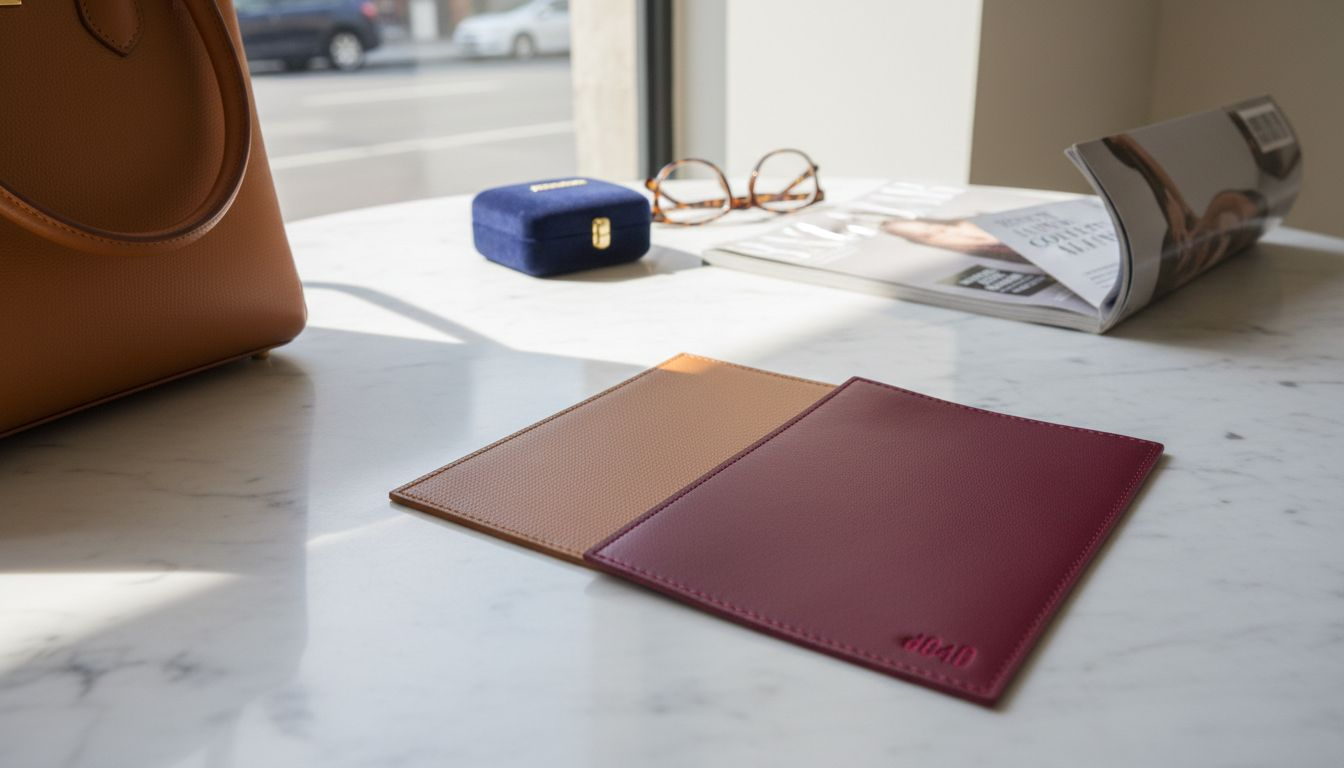
Lambskin, in dramatic contrast, embodies pure softness. Its incredibly delicate surface feels almost ethereal against the skin, with a silk-like smoothness that luxury designers prize. The fine grain creates an almost imperceptible texture that whispers luxury, making it ideal for high-end garments and accessories requiring supreme comfort.
Key textural characteristics include:
- Calfskin Texture: Robust, velvety, structured
- Lambskin Texture: Ultra-soft, fluid, exceptionally delicate
- Surface Quality: Calfskin shows more pronounced grain
- Hand Feel: Lambskin provides unparalleled smoothness
- Sensory Experience: Calfskin feels substantial; lambskin feels weightless
The true luxury of leather lies not just in its appearance, but in how it feels against your skin.
Pro tip: When evaluating leather, always run your fingers across the surface and feel the unique texture – each hide tells a different tactile story.
Durability, Care Needs, and Longevity
Understanding the durability of different leather types is crucial for luxury leather enthusiasts seeking long-lasting investment pieces. Each leather type demands a unique approach to maintenance and care, with calfskin and lambskin presenting distinctly different longevity profiles.
Calfskin stands as the more robust leather, characterised by its dense fibre structure and remarkable resistance to wear and tear. Its thicker composition allows it to withstand daily use more effectively, making it an excellent choice for items requiring consistent performance. The natural durability means calfskin garments and accessories can maintain their structural integrity and aesthetic appeal for significantly longer periods compared to more delicate leather alternatives.
Leather maintenance requires nuanced understanding, particularly for lambskin. This delicate leather demands meticulous care to preserve its luxurious softness and prevent premature deterioration. Moisture, direct sunlight, and improper storage can rapidly compromise lambskin’s structural integrity, necessitating a more cautious and attentive approach to preservation.
Key durability considerations include:
- Calfskin Resilience: Highly resistant to abrasion and stretching
- Lambskin Vulnerability: More susceptible to scratches and environmental damage
- Storage Requirements: Lambskin needs climate-controlled, minimal-humidity environments
- Conditioning Frequency: Calfskin requires less frequent conditioning
- Expected Lifespan: Calfskin typically outlasts lambskin with proper care
Luxury leather is an investment – its longevity depends entirely on your commitment to careful maintenance.
Pro tip: Invest in high-quality leather conditioners specific to each leather type, and always store your precious leather pieces in breathable dust bags away from direct sunlight and moisture.
Best Uses in Handbags and Accessories
Selecting the right leather for luxury accessories requires understanding the unique properties of calfskin and lambskin. Handbag leather selection depends critically on the intended use, aesthetic, and performance requirements of each piece.
Calfskin emerges as the superior choice for structured, high-performance accessories. Its robust nature makes it ideal for everyday handbags, wallets, and briefcases that demand consistent shape retention and resistance to wear. The leather’s dense fibres provide exceptional durability, ensuring that structured handbags maintain their crisp lines and professional appearance through years of regular use. Fashion-forward professionals seeking investment pieces that withstand daily challenges will find calfskin an unparalleled material.
Lambskin, by contrast, represents the pinnacle of luxury for soft, elegant accessories. Its incredibly delicate texture makes it perfect for evening clutches, delicate shoulder bags, and accessories that prioritise aesthetic refinement over structural integrity. The gossamer-like softness of lambskin creates accessories that feel like an extension of one’s personal style, whispering luxury with every subtle movement.
Ideal accessory applications include:
-
Calfskin Recommended:
- Structured work handbags
- Durable wallets
- Briefcases
- Travel accessories
- Day-to-day shoulder bags
-
Lambskin Recommended:
- Evening clutches
- Soft shoulder bags
- Delicate handheld accessories
- Lightweight evening bags
- High-fashion statement pieces
The right leather transforms an accessory from mere functionality to a personal statement of style and sophistication.
Pro tip: Consider your lifestyle and typical usage when selecting between calfskin and lambskin – choose calfskin for reliability, lambskin for pure elegance.
The following table matches each leather type to ideal handbag and accessory applications:
| Leather Type | Best-suited Products | Key Advantage |
|---|---|---|
| Calfskin | Work bags, briefcases, wallets | Shape retention, durable |
| Lambskin | Clutches, luxury mini bags | Exceptional softness |
Cost, Value, and Investment Factors
Navigating the intricate landscape of luxury leather requires understanding the nuanced economic considerations of calfskin and lambskin. European leather market trends reveal complex pricing dynamics that go far beyond simple material costs.
Calfskin typically represents a more substantial investment with greater long-term value. Its superior durability translates into extended product lifecycles, meaning accessories crafted from calfskin often provide better cost-per-wear metrics. Professional investors and fashion enthusiasts recognise that while initial purchase prices might be higher, the leather’s resilience ensures prolonged aesthetic and functional performance, effectively spreading the investment across many years of use.
Lambskin, conversely, embodies luxury through its exquisite delicacy. Its pricing reflects not just material quality but the intricate craftsmanship required to transform such a fragile hide into a sophisticated accessory. Discerning buyers understand that lambskin’s value lies in its exceptional softness, refined appearance, and the statement of elegance it communicates.
Key investment considerations include:
-
Calfskin Investment Factors:
- Higher initial durability
- Lower long-term maintenance costs
- Better resistance to wear and tear
- More consistent aesthetic preservation
- Broader range of practical applications
-
Lambskin Investment Factors:
- Premium pricing reflecting exclusivity
- Higher maintenance requirements
- Exceptional softness and luxury feel
- Limited but high-impact usage scenarios
- Potential collector’s value for rare pieces
A truly intelligent leather investment balances emotional appeal with practical longevity.
Pro tip: Consider your personal lifestyle and long-term usage when evaluating leather investments – prioritise durability for everyday items, embrace lambskin’s delicacy for special occasions.
Discover Timeless Luxury with Handcrafted Italian Leather
Choosing between calfskin and lambskin leather is about balancing durability and softness to suit your lifestyle and style goals. Whether you seek the robust structure of calfskin for everyday elegance or the exquisite softness of lambskin for special occasions, San Rocco Italia offers a curated selection that honours these distinct qualities through exceptional craftsmanship.

Explore our luxury handbags and accessories, all crafted in Italy from premium full-grain leather by skilled artisans who understand exactly what makes calfskin and lambskin so unique. Embrace a piece that not only meets your aesthetic desires but also offers lasting investment value. Visit San Rocco Italia today and find the perfect balance of strength and softness for your collection.
Frequently Asked Questions
What is the main difference between calfskin and lambskin leather?
Calfskin is derived from young bovine hides and is known for its robustness and durability, making it suitable for everyday accessories. Lambskin comes from young sheep hides and is prized for its incredible softness and lightweight texture, ideal for more delicate, luxury items.
How do the textures of calfskin and lambskin compare?
Calfskin has a velvety and slightly structured texture, while lambskin is ultra-soft with a smooth, fluid feel. Calfskin’s grain pattern is more pronounced, whereas lambskin offers a finer, almost imperceptible texture.
Which type of leather is more durable: calfskin or lambskin?
Calfskin is significantly more durable, offering greater resistance to wear and tear. Its thicker composition allows it to withstand daily use well, while lambskin is more vulnerable to scratches and environmental damage.
What accessories are best suited for calfskin and lambskin?
Calfskin is best for structured items like work handbags, wallets, and travel accessories due to its durability. Lambskin is ideal for softer, elegant pieces such as evening clutches and delicate shoulder bags, emphasising luxury and sophistication.
